
Opening branch overview
Building the branch home surface
Loading branch highlights, featured unit context, and gallery moments.
Overview
Members
Units
Building the branch home surface
Loading branch highlights, featured unit context, and gallery moments.
Building the branch units surface
Loading unit filters, rankings, and the branch unit grid.

U.S. Navy•3 members
Relive and share the memories of your service-time with your brothers and sisters in arms today. VetFriends.com can help you reconnect.
Did you proudly serve in the USS Compass Island AG153?
Are you looking for someone who is or was in the USS Compass Island AG153?
Do you have USS Compass Island AG153 photos you'd like to share?
Then join a community with your brothers and sisters of the USS Compass Island AG153.
USS Compass Island (AG-153) was a specialized auxiliary ship of the United States Navy, commissioned in 1956. Originally constructed as a cargo vessel named SS Garden Mariner, she was converted to serve as a navigational research ship. Compass Island played a critical role in the development and testing of the Navy’s inertial navigation systems, which were vital for the emerging Polaris ballistic missile submarines during the Cold War. The ship served as a mobile platform for advanced electronic and navigational equipment until she was decommissioned in 1971.

U.S. Navy

U.S. Navy
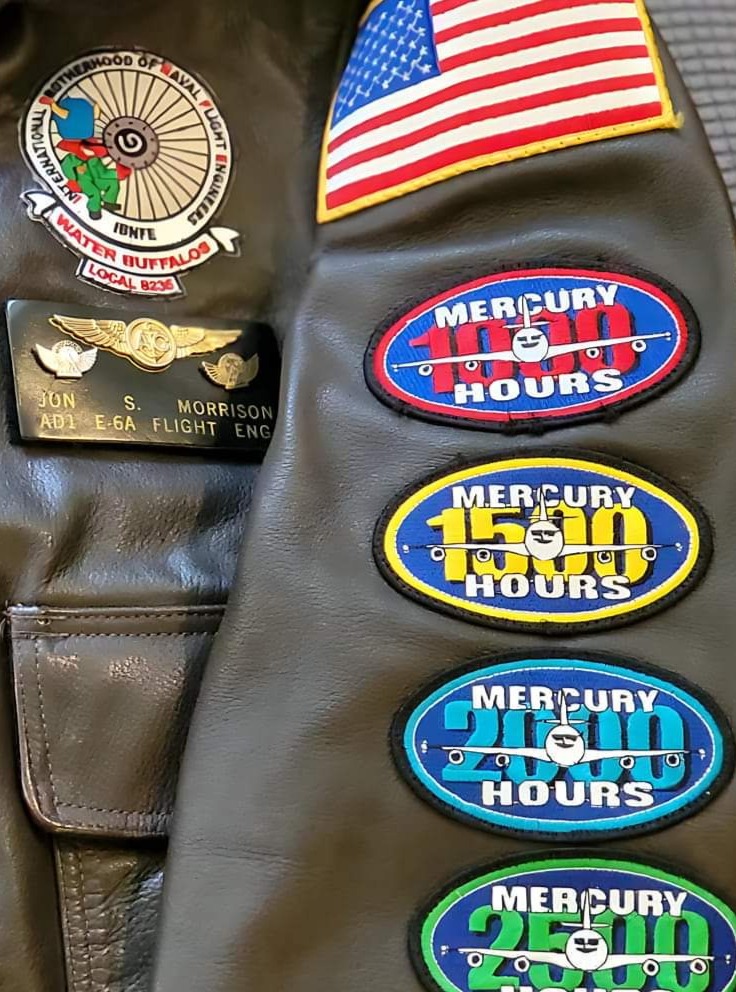
VQ4 • U.S. Navy • 1991
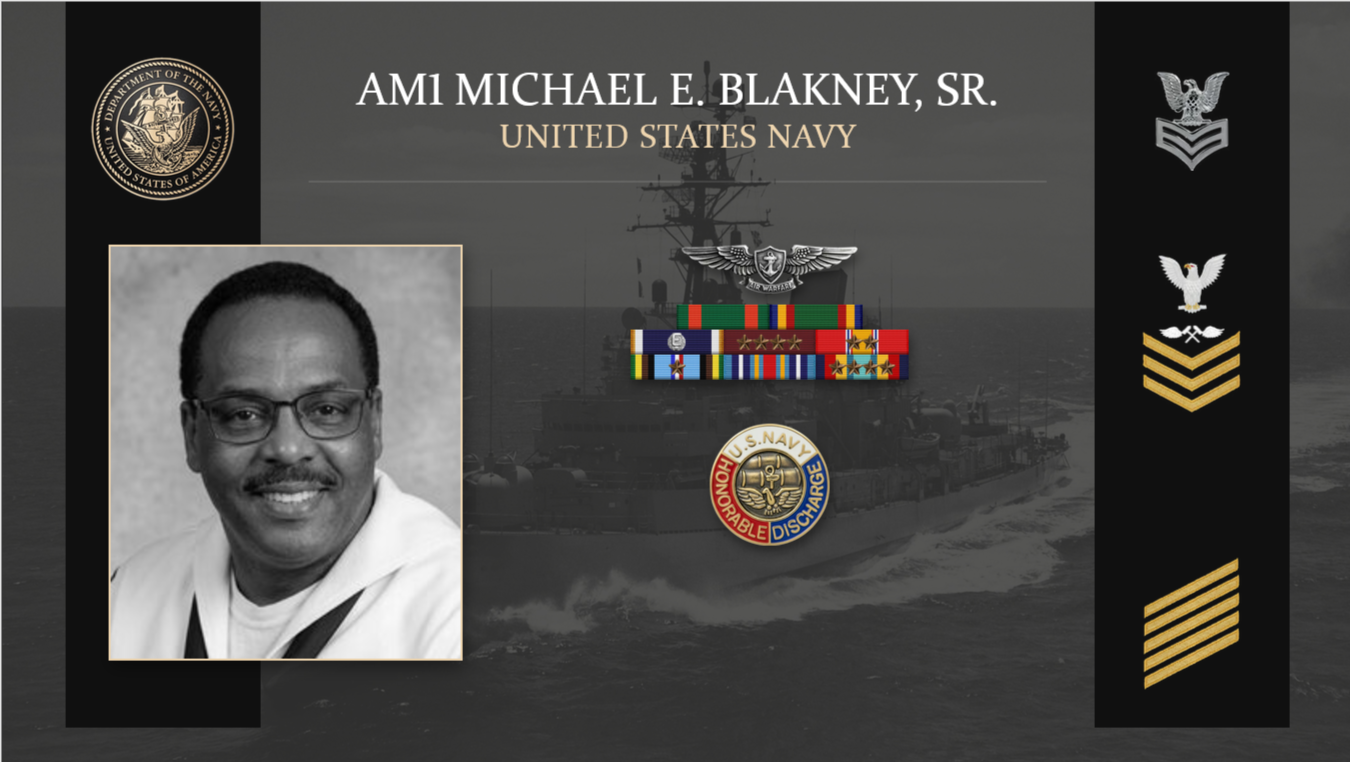
U.S. Navy