
Opening branch overview
Building the branch home surface
Loading branch highlights, featured unit context, and gallery moments.
Overview
Members
Units
Building the branch home surface
Loading branch highlights, featured unit context, and gallery moments.
Building the branch units surface
Loading unit filters, rankings, and the branch unit grid.

2 members•1 unit
Relive and share the memories of your service-time with your brothers and sisters in arms today. VetFriends.com can help you reconnect.
Did you proudly serve in the Station Fire Island?
Are you looking for someone who is or was in the Station Fire Island?
Do you have Station Fire Island photos you'd like to share?
Then join a community with your brothers and sisters of the Station Fire Island.
Branch
U.S. Coast Guard
Members
2
Station Fire Island, located off the southern coast of Long Island, New York, has played a significant role in American military history, particularly in coastal defense and maritime operations. Established in the late 19th century, it initially functioned as a U.S. Life-Saving Service station before becoming a vital component of the U.S. Coast Guard. Throughout World War II and the Cold War, the station was modernized to serve as a radar and navigation site, helping monitor ship traffic and detect potential threats along the eastern seaboard. Today, while its original military functions have diminished, Station Fire Island remains an important part of the region’s maritime heritage.
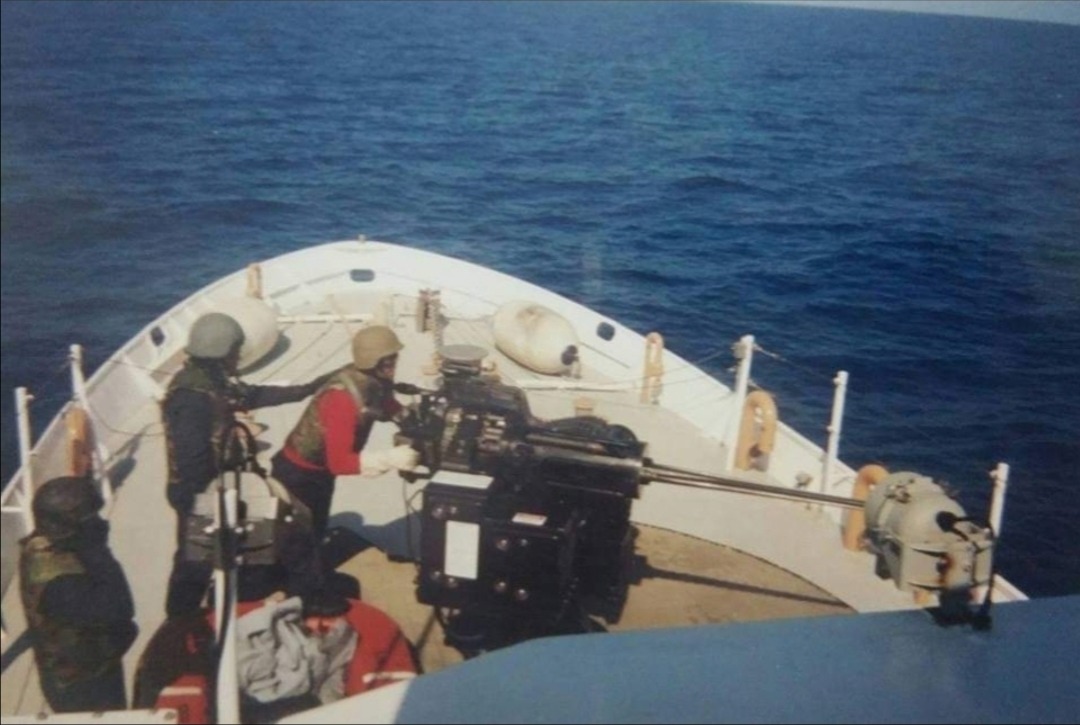
U.S. Coast Guard
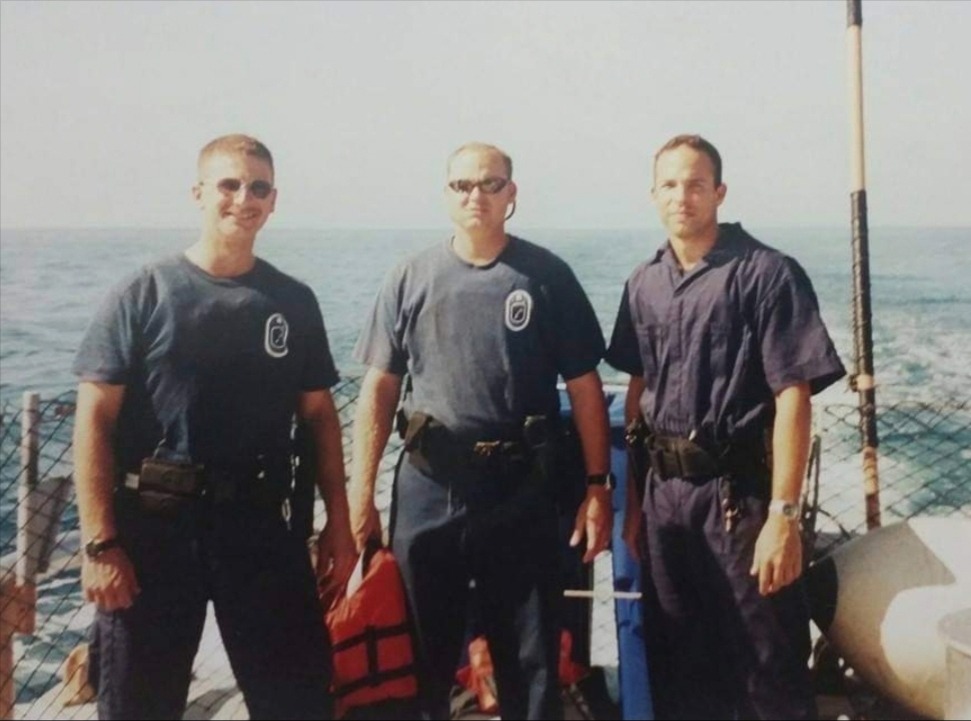
U.S. Coast Guard
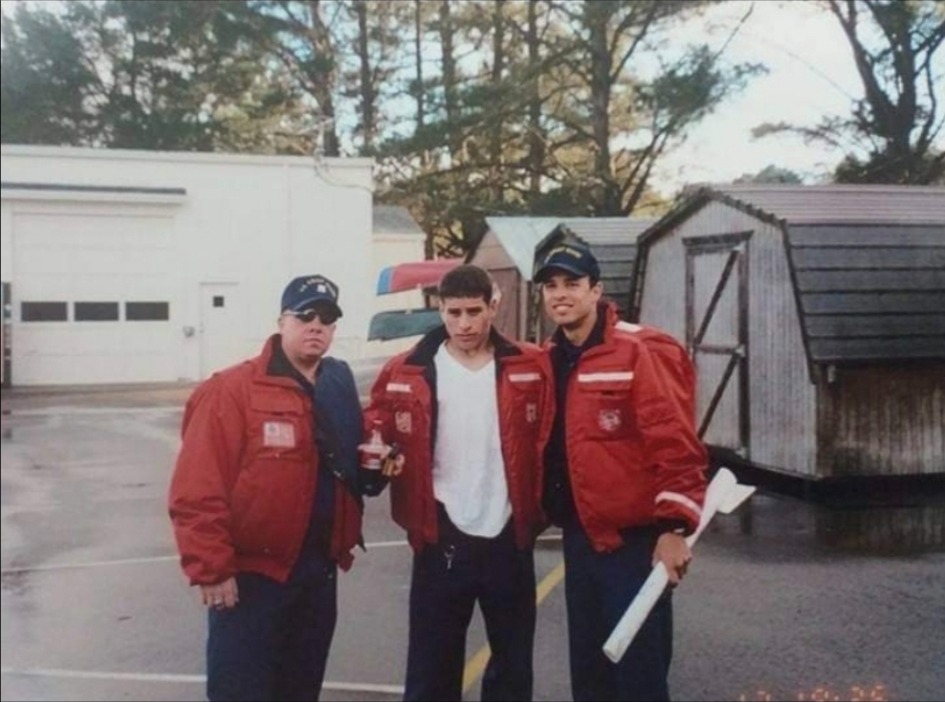
U.S. Coast Guard
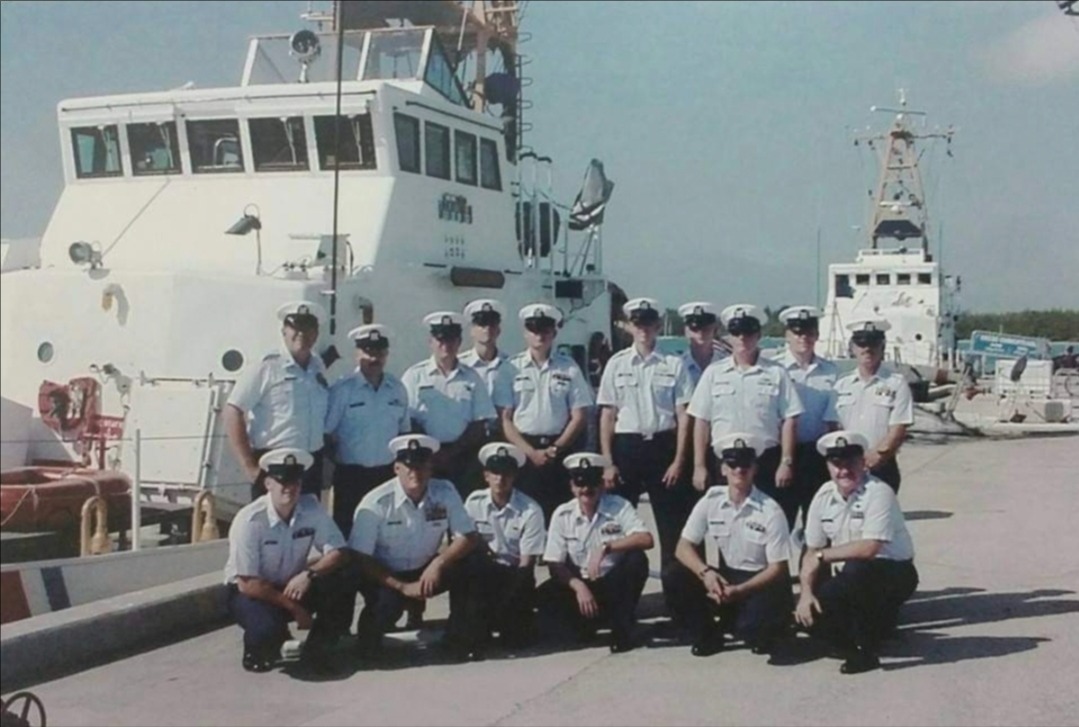
U.S. Coast Guard