
Opening branch overview
Building the branch home surface
Loading branch highlights, featured unit context, and gallery moments.
Overview
Members
Units
Building the branch home surface
Loading branch highlights, featured unit context, and gallery moments.
Building the branch units surface
Loading unit filters, rankings, and the branch unit grid.

1 members•1 unit
Relive and share the memories of your service-time with your brothers and sisters in arms today. VetFriends.com can help you reconnect.
Did you proudly serve in the sebago?
Are you looking for someone who is or was in the sebago?
Do you have sebago photos you'd like to share?
Then join a community with your brothers and sisters of the sebago.
Branch
U.S. Coast Guard
Members
1
Certainly! The name "Sebago" is most famously associated with the USS Sebago (AG-36), a U.S. Navy auxiliary vessel that served during World War II. Originally built as the commercial vessel SS Lake Sebago in 1919, she was acquired by the Navy in 1941 and converted for military use. During her service, USS Sebago performed a variety of support roles, including transportation of cargo and personnel to forward areas in the Atlantic and Caribbean. After the war, she was decommissioned in 1946 and returned to civilian service, marking a brief but important contribution to the U.S. Navy’s wartime logistics operations.
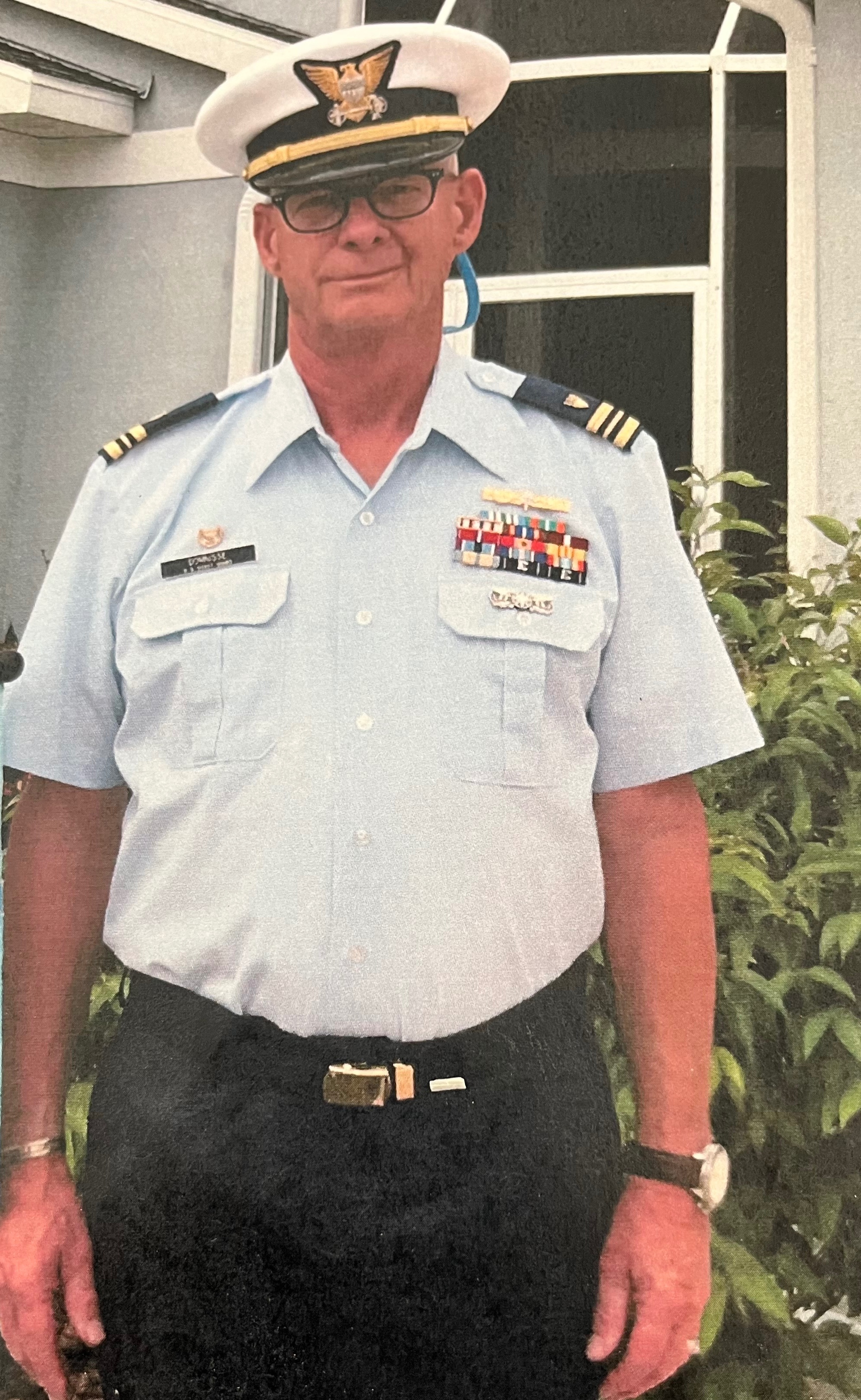
U.S. Coast Guard
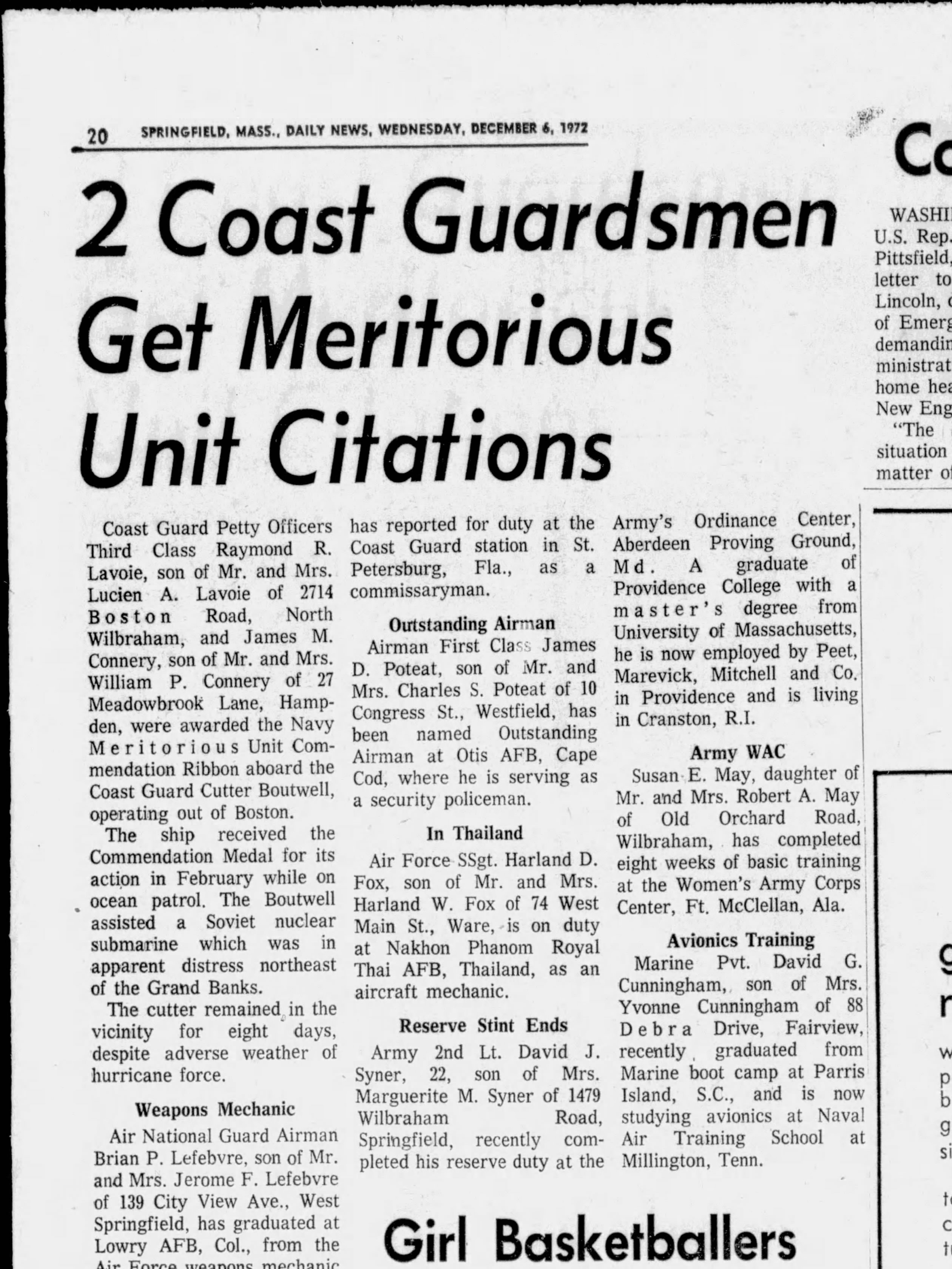
USCG Boutwell 719 • U.S. Coast Guard • 1972

USCGC CAMPBELL (WHEC-32) • U.S. Coast Guard
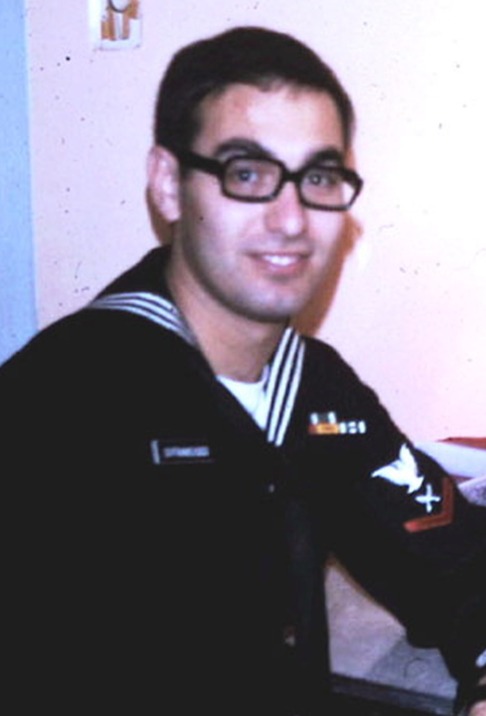
U.S. Coast Guard • 1970