
Opening branch overview
Building the branch home surface
Loading branch highlights, featured unit context, and gallery moments.
Overview
Members
Units
Building the branch home surface
Loading branch highlights, featured unit context, and gallery moments.
Building the branch units surface
Loading unit filters, rankings, and the branch unit grid.

3 members•1 unit
Relive and share the memories of your service-time with your brothers and sisters in arms today. VetFriends.com can help you reconnect.
Did you proudly serve in the Warrior Transition Battalion, JBLM, WA?
Are you looking for someone who is or was in the Warrior Transition Battalion, JBLM, WA?
Do you have Warrior Transition Battalion, JBLM, WA photos you'd like to share?
Then join a community with your brothers and sisters of the Warrior Transition Battalion, JBLM, WA.
Branch
U.S. Army
Members
3
The Warrior Transition Battalion (WTB) at Joint Base Lewis-McChord (JBLM), Washington, was established to provide comprehensive care and support to wounded, ill, and injured soldiers as they transition either back to active duty or to civilian life. Activated in the late 2000s as part of the Army’s response to the growing need for specialized care during the Global War on Terrorism, the battalion integrated medical, mental health, and administrative services under one command. Over the years, WTB JBLM played a crucial role in rehabilitating thousands of soldiers, fostering resilience and recovery through personalized treatment plans and adaptive programs. The battalion’s mission and structure evolved as part of the Army’s broader Soldier Recovery Unit (SRU) initiative, continuing its legacy of dedicated service and support to America’s warriors.
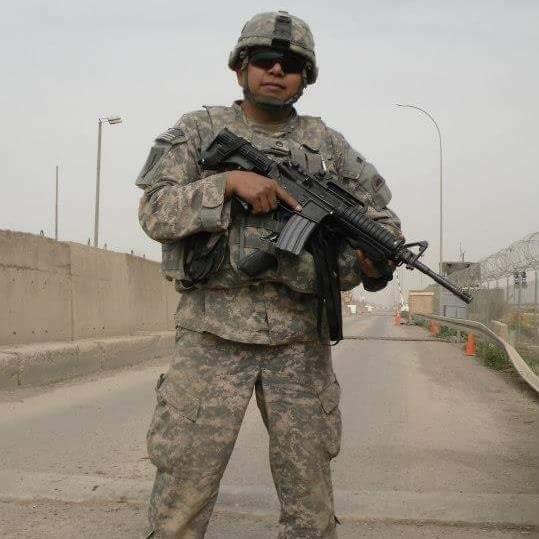
U.S. Army
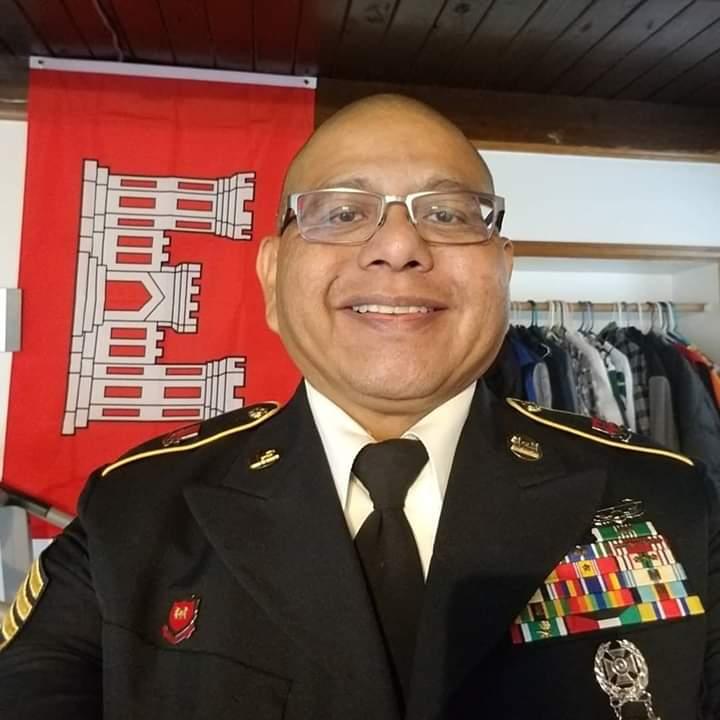
U.S. Army
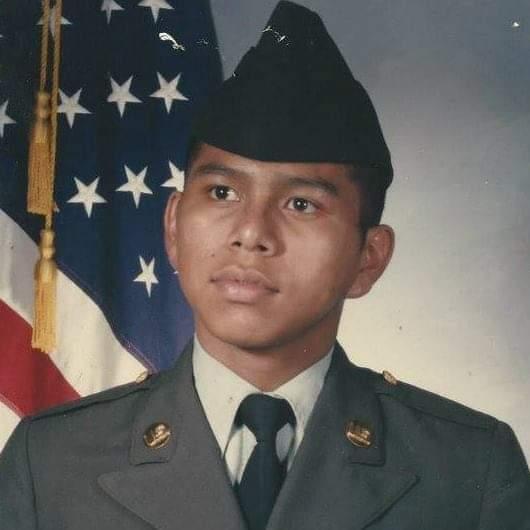
U.S. Army