
Opening branch overview
Building the branch home surface
Loading branch highlights, featured unit context, and gallery moments.
Overview
Members
Units
Building the branch home surface
Loading branch highlights, featured unit context, and gallery moments.
Building the branch units surface
Loading unit filters, rankings, and the branch unit grid.

35 members•1 unit
Relive and share the memories of your service-time with your brothers and sisters in arms today. VetFriends.com can help you reconnect.
Did you proudly serve in the USAUER Command?
Are you looking for someone who is or was in the USAUER Command?
Do you have USAUER Command photos you'd like to share?
Then join a community with your brothers and sisters of the USAUER Command.
Branch
U.S. Army
Members
35
**USAUER Command** (United States Army Europe Rear Command) was established during the late stages of the Cold War as a contingency headquarters to ensure continuity of command and control of U.S. Army forces in Europe. Its primary mission was to assume operational responsibilities in the event that the main United States Army Europe (USAREUR) headquarters became incapacitated or relocated due to crisis or conflict. USAUER Command maintained a streamlined staff and coordinated closely with NATO allies, focusing on rear-area security, logistics, and support operations. With the end of the Cold War and subsequent drawdown of U.S. forces in Europe, the relevance of a dedicated rear command diminished, and USAUER Command was inactivated as part of broader restructuring efforts.
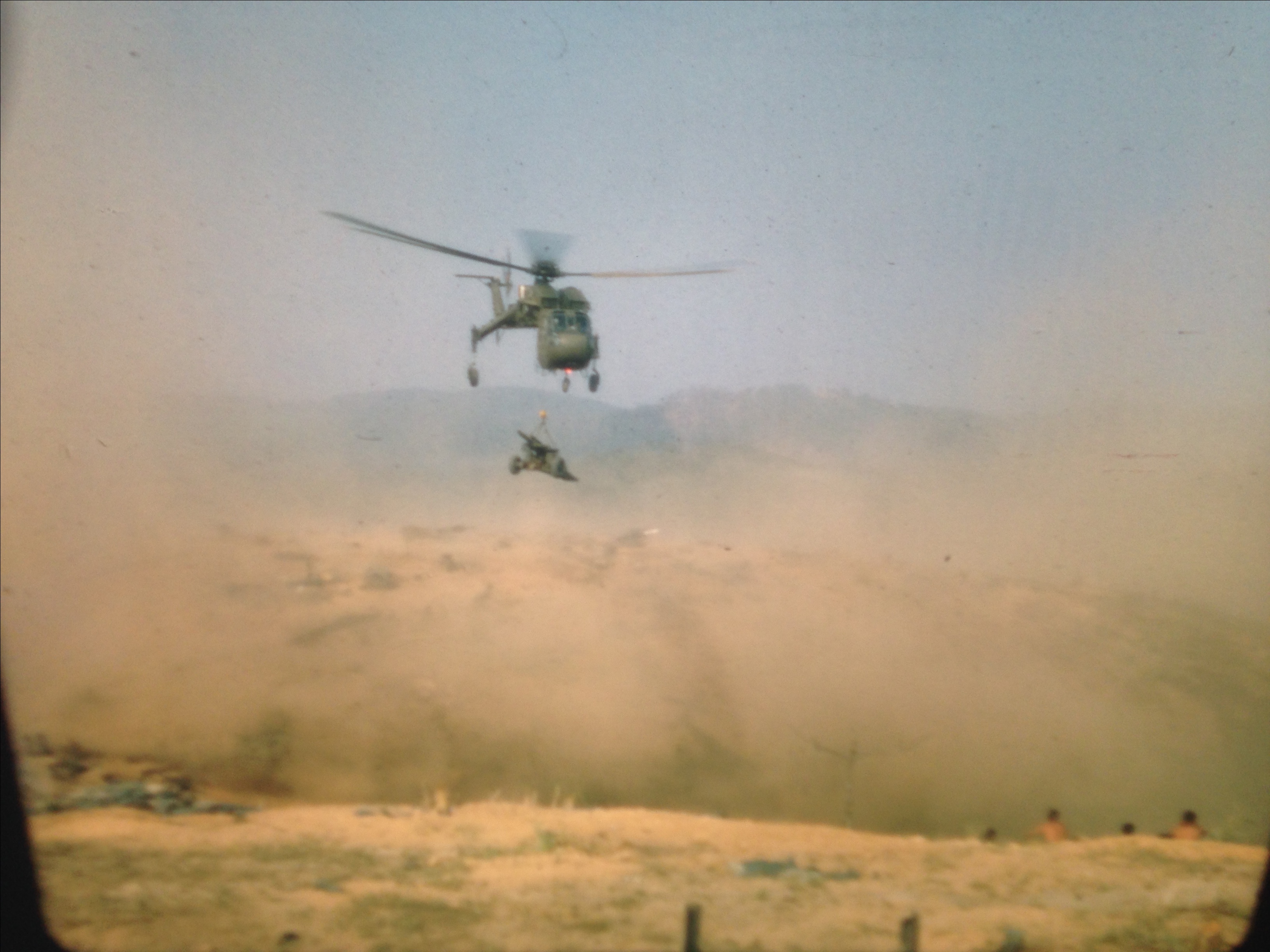
4th Infantry Division • U.S. Army • 1968
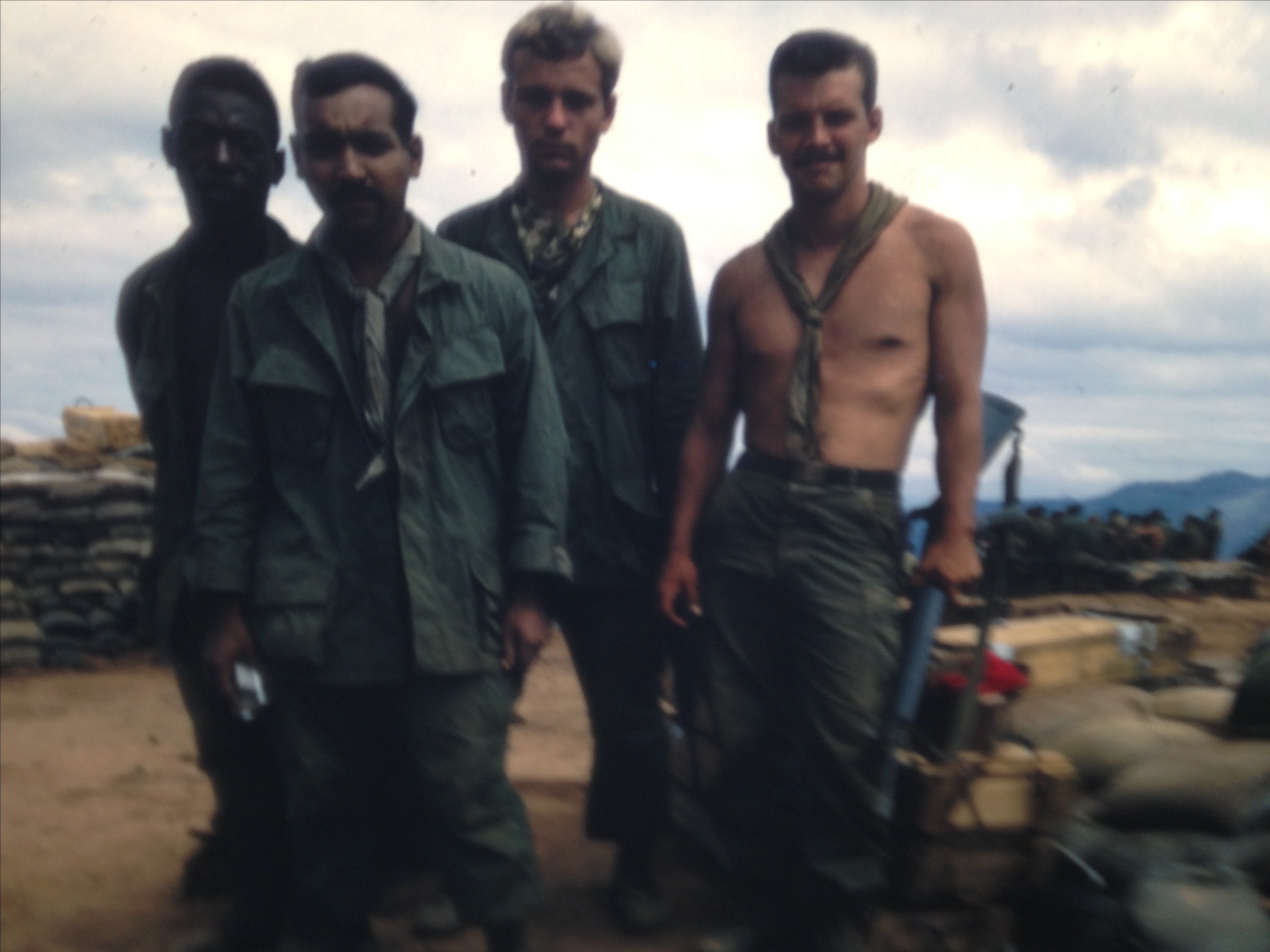
4th Infantry Division • U.S. Army • 1968

U.S. Army
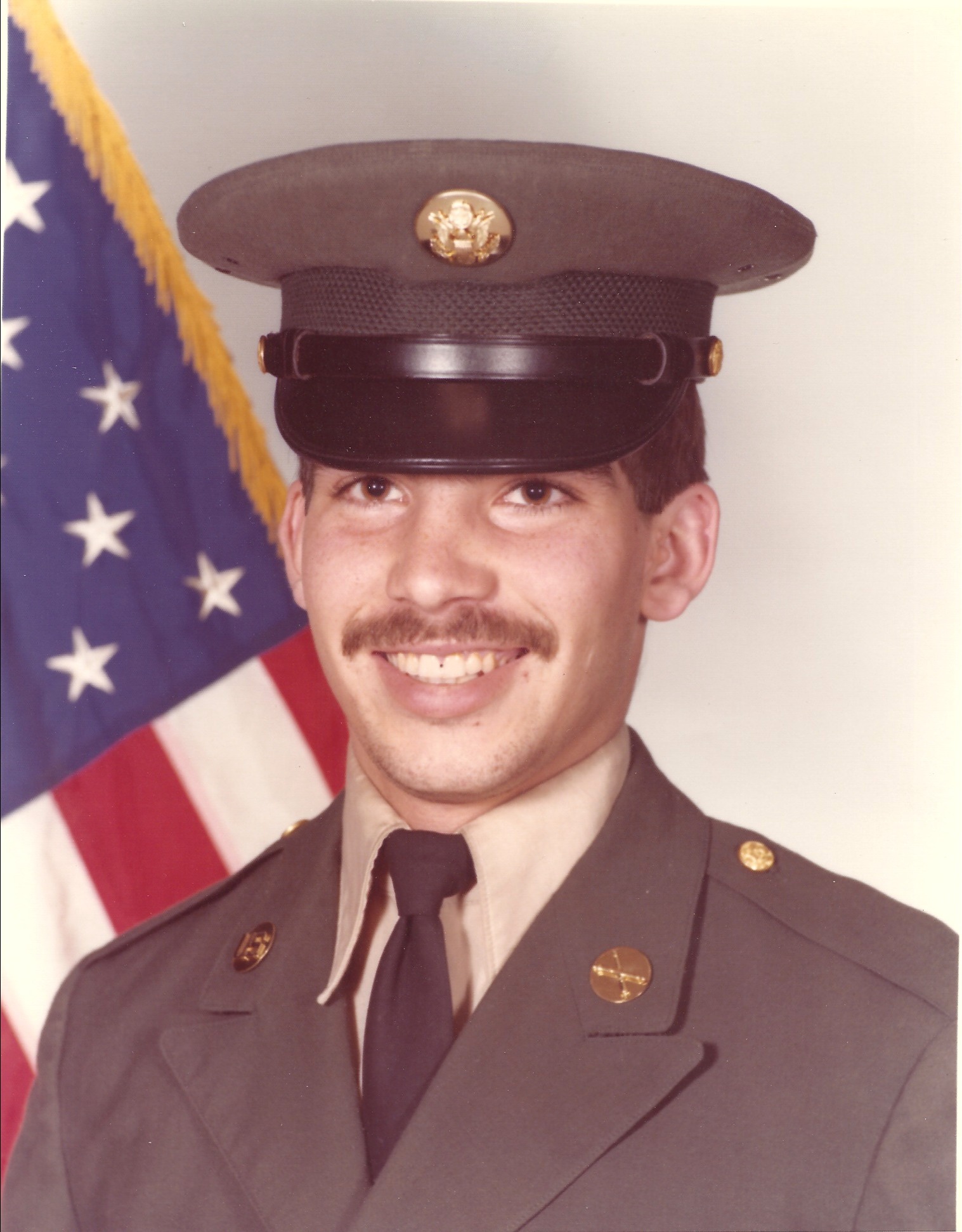
ARTILLERY • U.S. Army