Opening branch overview
Building the branch home surface
Loading branch highlights, featured unit context, and gallery moments.
Overview
Members
Units
Building the branch home surface
Loading branch highlights, featured unit context, and gallery moments.
Building the branch units surface
Loading unit filters, rankings, and the branch unit grid.

4 members•1 unit
Relive and share the memories of your service-time with your brothers and sisters in arms today. VetFriends.com can help you reconnect.
Did you proudly serve in the USASATC&S?
Are you looking for someone who is or was in the USASATC&S?
Do you have USASATC&S photos you'd like to share?
Then join a community with your brothers and sisters of the USASATC&S.
Branch
U.S. Army
Members
4
The United States Army Security Agency Training Center and School (USASATC&S) was established at Fort Devens, Massachusetts, in 1951 to train soldiers in military intelligence, signals intelligence, and communications security. The unit played a critical role during the Cold War era, preparing personnel for assignments in the Army Security Agency (ASA) worldwide. USASATC&S provided specialized instruction in Morse code, radio interception, cryptography, and electronic warfare. The school continued its mission at Fort Devens until its closure in 1996, when intelligence training functions were relocated to Fort Huachuca, Arizona.
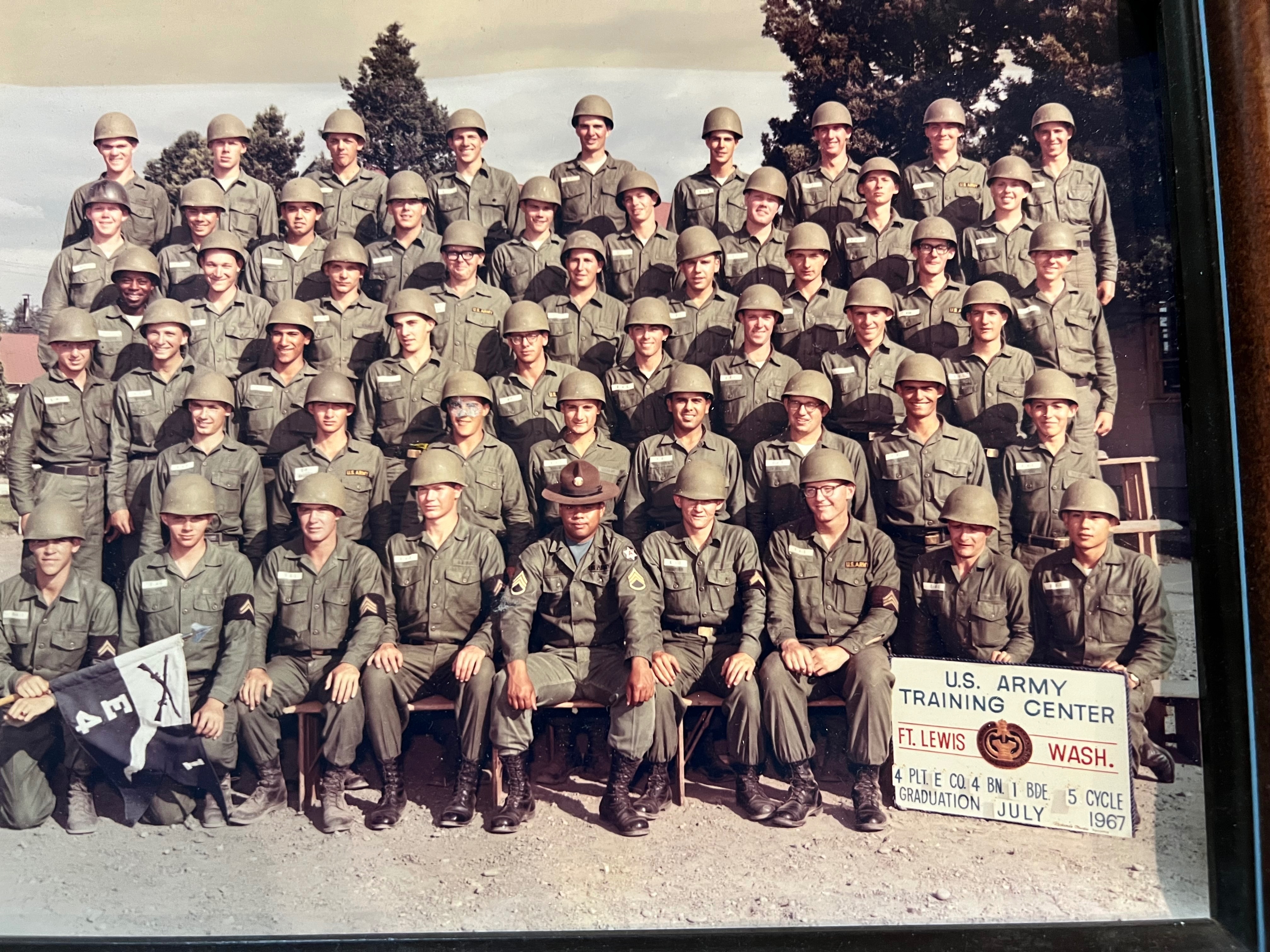
U.S. Army
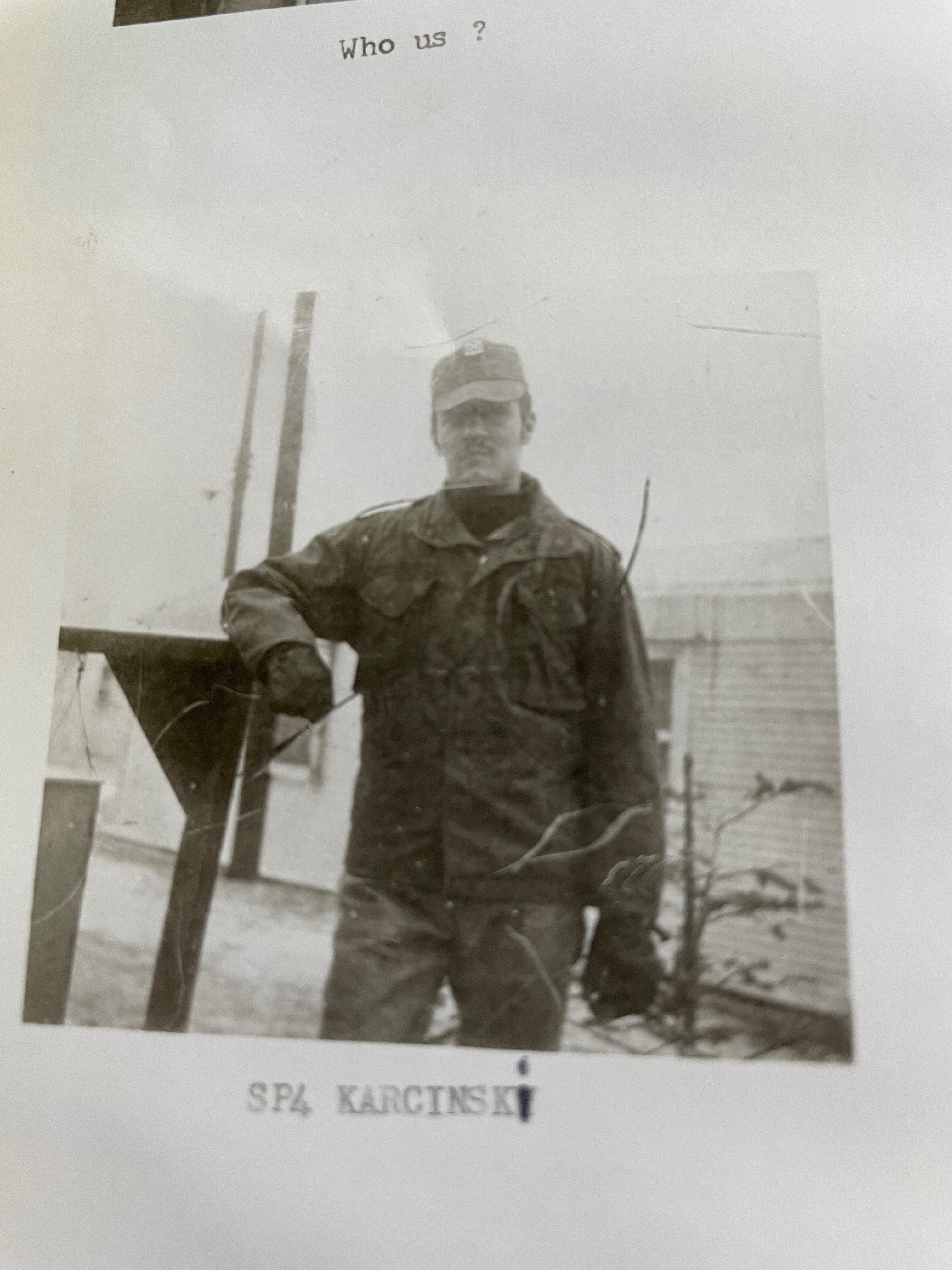
U.S. Army
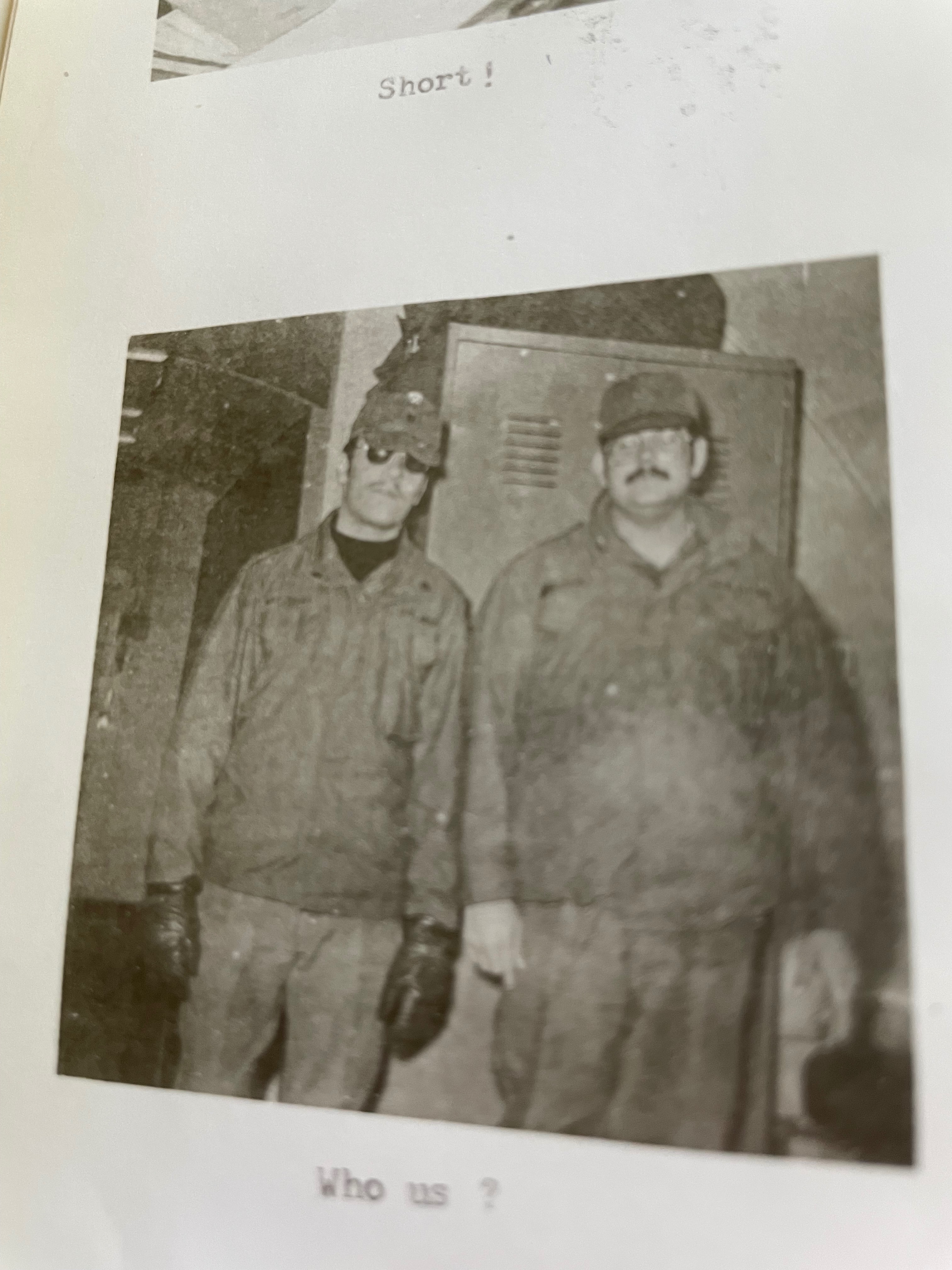
U.S. Army
U.S. Army