
Opening branch overview
Building the branch home surface
Loading branch highlights, featured unit context, and gallery moments.
Overview
Members
Units
Building the branch home surface
Loading branch highlights, featured unit context, and gallery moments.
Building the branch units surface
Loading unit filters, rankings, and the branch unit grid.

3 members•1 unit
Relive and share the memories of your service-time with your brothers and sisters in arms today. VetFriends.com can help you reconnect.
Did you proudly serve in the USARIEM?
Are you looking for someone who is or was in the USARIEM?
Do you have USARIEM photos you'd like to share?
Then join a community with your brothers and sisters of the USARIEM.
Branch
U.S. Army
Members
3
The U.S. Army Research Institute of Environmental Medicine (USARIEM) was established in 1961 at Natick, Massachusetts, as a premier biomedical research laboratory for the United States Army. Its mission is to conduct research on environmental medicine, physiology, and nutrition to optimize the health and performance of military personnel operating in diverse and challenging conditions. Over the decades, USARIEM has contributed vital knowledge and innovations in areas such as heat and cold stress, altitude adaptation, hydration, and physical readiness. The institute’s research has led to the development of protective equipment, rations, and guidelines that enhance the safety and effectiveness of soldiers worldwide.
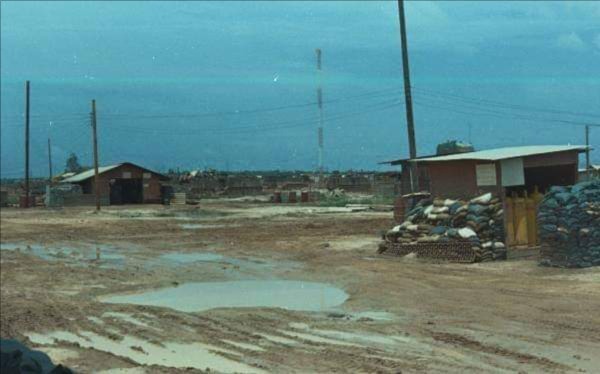
548th lmc • U.S. Army • 1970
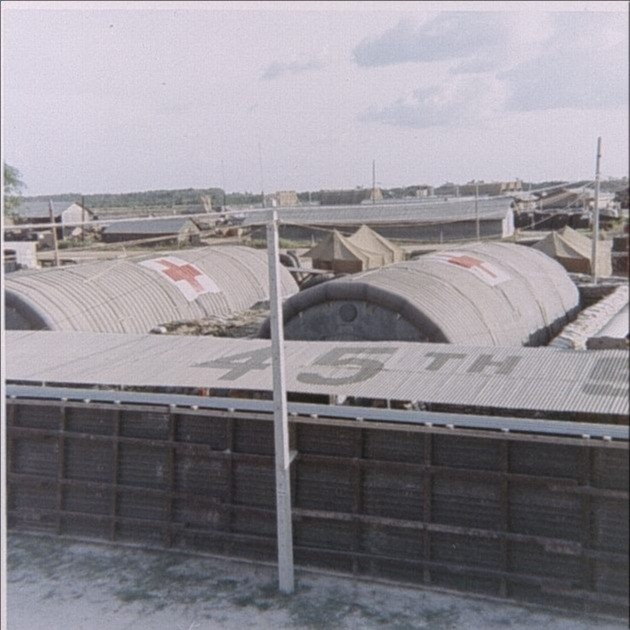
548th lmc • U.S. Army • 1970
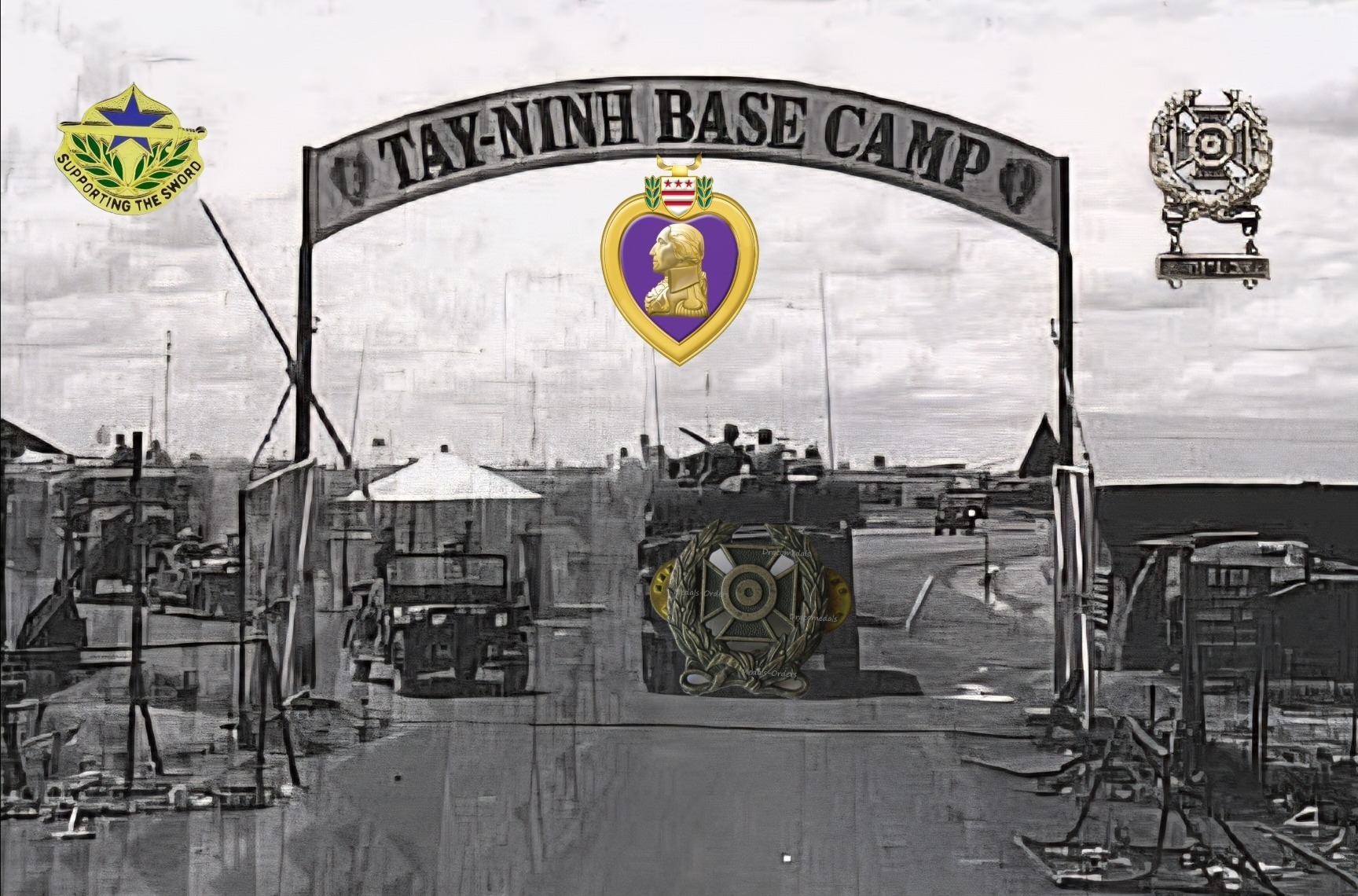
548th lmc • U.S. Army • 1970

548th lmc • U.S. Army • 1970