Over 3,064,780 active members

U.S. Army•2 members
Relive and share the memories of your service-time with your brothers and sisters in arms today. VetFriends.com can help you reconnect.
Did you proudly serve in the USARGMA - US Army Rocket & Guided Missile Agency?
Are you looking for someone who is or was in the USARGMA - US Army Rocket & Guided Missile Agency?
Do you have USARGMA - US Army Rocket & Guided Missile Agency photos you'd like to share?
Then join a community with your brothers and sisters of the USARGMA - US Army Rocket & Guided Missile Agency.
Branch
U.S. Army
Members
2
The US Army Rocket & Guided Missile Agency (USARGMA) was established in 1956 at Redstone Arsenal, Alabama, as a specialized unit tasked with the research, development, and testing of rockets and guided missile systems for the U.S. Army. Drawing upon expertise from the Army Ballistic Missile Agency and former German scientists, USARGMA played a pivotal role in advancing the Army’s missile technology during the Cold War, contributing to programs such as the Redstone and Pershing missiles. The agency was integral in transforming the Army’s artillery capabilities from conventional to sophisticated rocket and missile systems. In 1962, USARGMA’s functions and personnel were absorbed into the newly formed US Army Missile Command (MICOM), marking the end of its existence as a separate agency.

Company C 1st Bn. 38th Inf. Regt. • U.S. Army • 1989

101st airborne division • U.S. Army

U.S. Army
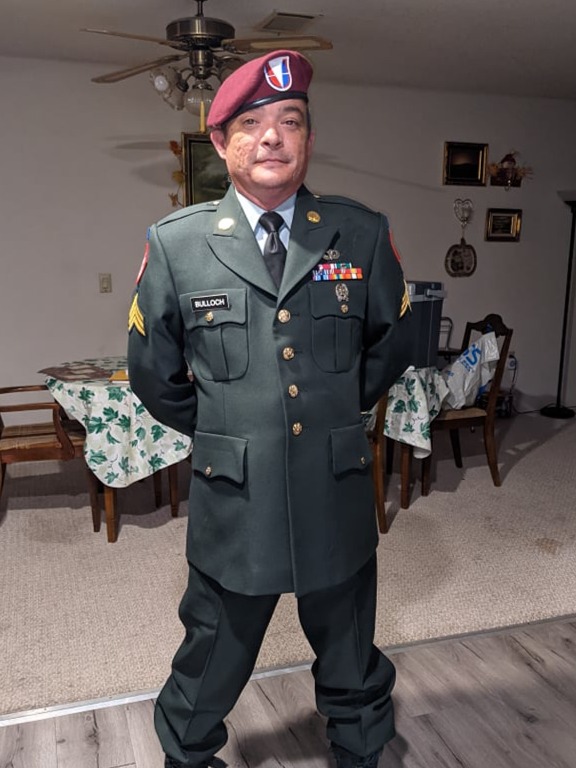
82nd Airborne • U.S. Army • 2018