
Opening branch overview
Building the branch home surface
Loading branch highlights, featured unit context, and gallery moments.
Overview
Members
Units
Building the branch home surface
Loading branch highlights, featured unit context, and gallery moments.
Building the branch units surface
Loading unit filters, rankings, and the branch unit grid.

2 members•1 unit
Relive and share the memories of your service-time with your brothers and sisters in arms today. VetFriends.com can help you reconnect.
Did you proudly serve in the USAARL?
Are you looking for someone who is or was in the USAARL?
Do you have USAARL photos you'd like to share?
Then join a community with your brothers and sisters of the USAARL.
Branch
U.S. Army
Members
2
The U.S. Army Aeromedical Research Laboratory (USAARL) was established in 1962 at Fort Rucker, Alabama, as a specialized research unit to address the unique medical challenges faced by Army aviators and aircrew. Its mission has centered on enhancing the safety, health, and performance of soldiers operating in aviation and other high-risk environments. Over the decades, USAARL has played a pivotal role in developing and testing life-support systems, protective equipment, and medical evacuation procedures. Through its innovative research, the laboratory has significantly contributed to advances in aeromedical evacuation, crew survivability, and human factors engineering within Army aviation.
U.S. Army
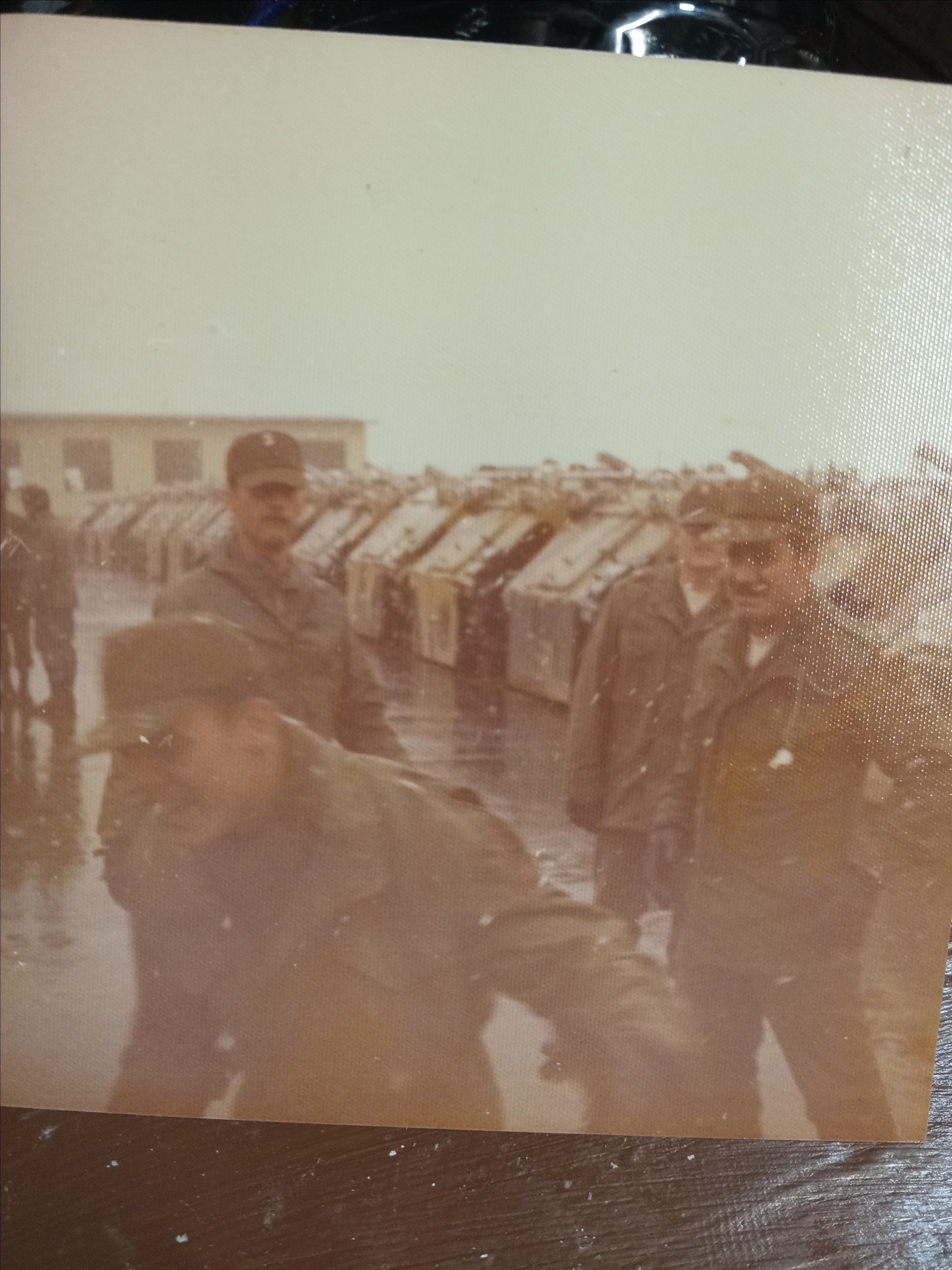
3rd Armored Division • U.S. Army • 1976

32nd Medical Depot • U.S. Army • 1975
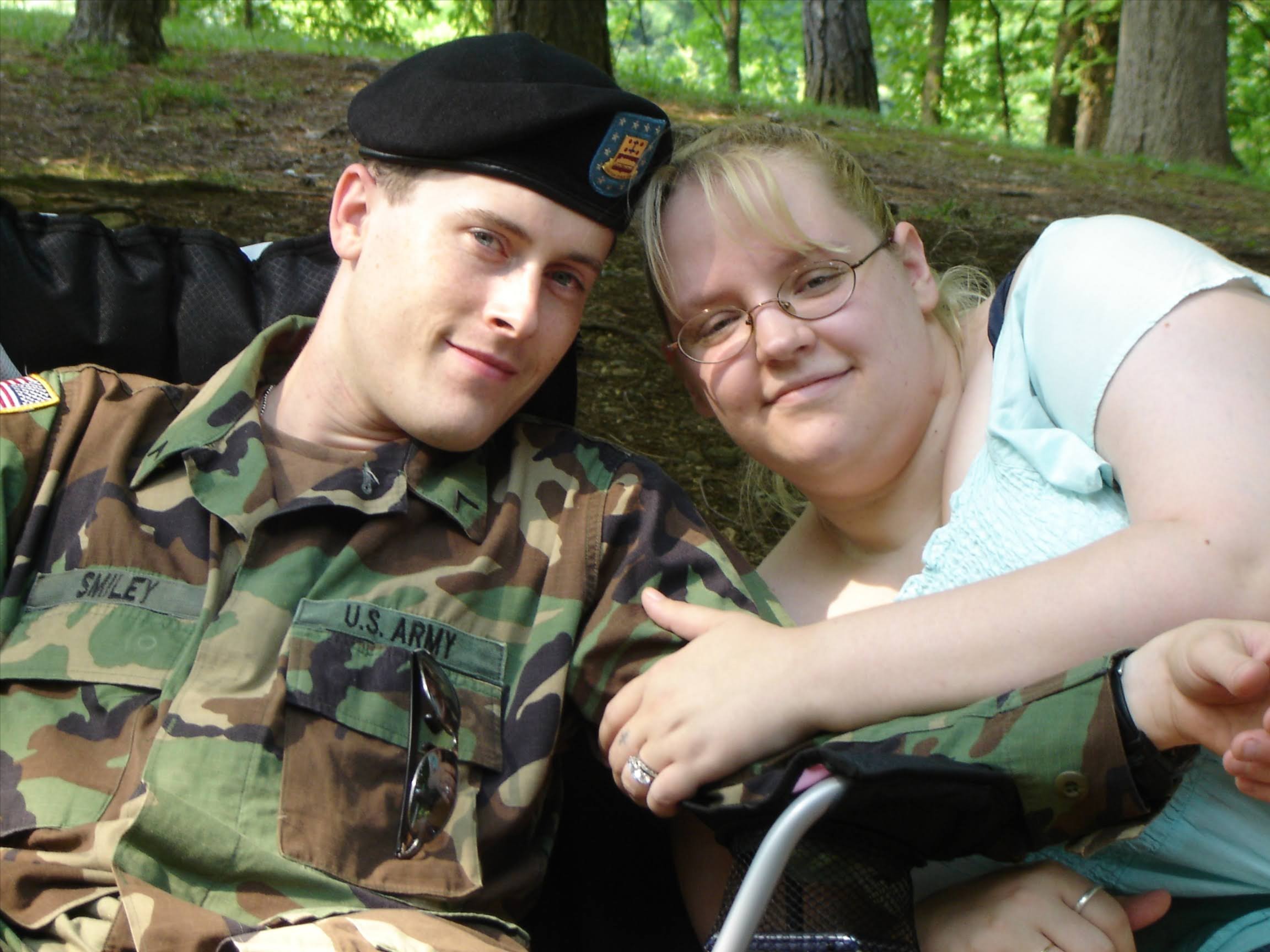
U.S. Army • 2005