
Opening branch overview
Building the branch home surface
Loading branch highlights, featured unit context, and gallery moments.
Overview
Members
Units
Building the branch home surface
Loading branch highlights, featured unit context, and gallery moments.
Building the branch units surface
Loading unit filters, rankings, and the branch unit grid.

37 members•1 unit
Relive and share the memories of your service-time with your brothers and sisters in arms today. VetFriends.com can help you reconnect.
Did you proudly serve in the US Signal company special CONAR?
Are you looking for someone who is or was in the US Signal company special CONAR?
Do you have US Signal company special CONAR photos you'd like to share?
Then join a community with your brothers and sisters of the US Signal company special CONAR.
Branch
U.S. Army
Members
37
The US Signal Company, Special, CONAR (Continental Army Command), was a specialized communications unit active during the Cold War era. Tasked with supporting training and operations within the Continental United States, the company provided advanced signal and electronic services for exercises and command post operations. It played a critical role in ensuring secure and reliable communications for CONARC headquarters and subordinate units. Through its technical expertise and adaptability, the unit contributed significantly to the readiness and effectiveness of US Army forces throughout its period of service.
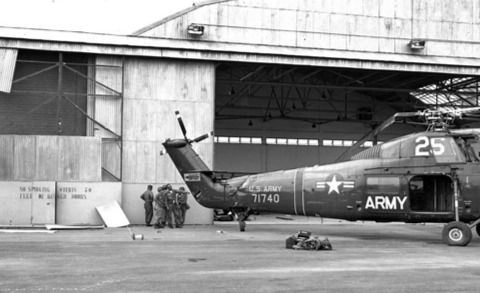
O A 3rd Av Div • U.S. Army • 1965
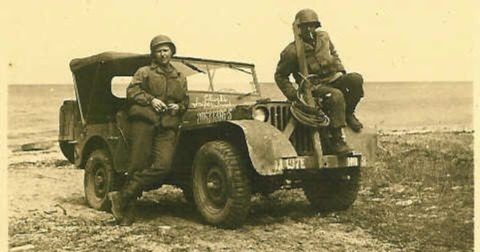
187th Engineer Combat Battalion • U.S. Army • 1945
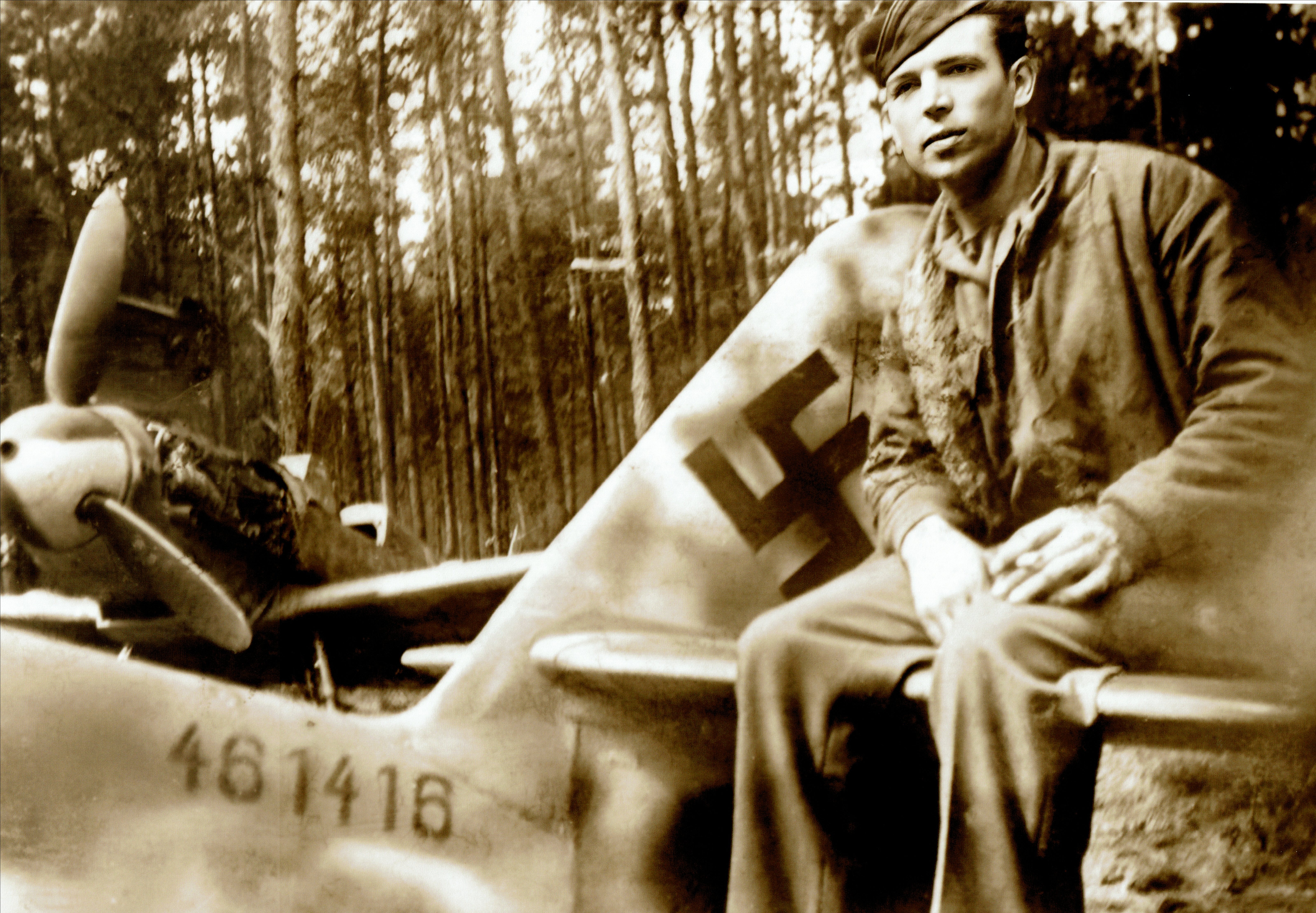
187th Engineer Combat Battalion C Company • U.S. Army • 1945

787 Charlie company • U.S. Army • 2001