
Opening branch overview
Building the branch home surface
Loading branch highlights, featured unit context, and gallery moments.
Overview
Members
Units
Building the branch home surface
Loading branch highlights, featured unit context, and gallery moments.
Building the branch units surface
Loading unit filters, rankings, and the branch unit grid.

4 members•1 unit
Relive and share the memories of your service-time with your brothers and sisters in arms today. VetFriends.com can help you reconnect.
Did you proudly serve in the US Army School, Europe?
Are you looking for someone who is or was in the US Army School, Europe?
Do you have US Army School, Europe photos you'd like to share?
Then join a community with your brothers and sisters of the US Army School, Europe.
Branch
U.S. Army
Members
4
The US Army School, Europe, originally established after World War II, served as a premier center for military education and training for US forces stationed on the continent. Located at various times in Oberammergau and later in other sites across Germany, the school provided professional development courses ranging from leadership to technical specialties. Its mission supported the integration and readiness of US Army personnel within the NATO framework during the Cold War and beyond. Over the decades, the school adapted its curriculum to evolving military needs and played a key role in strengthening US-European military cooperation.
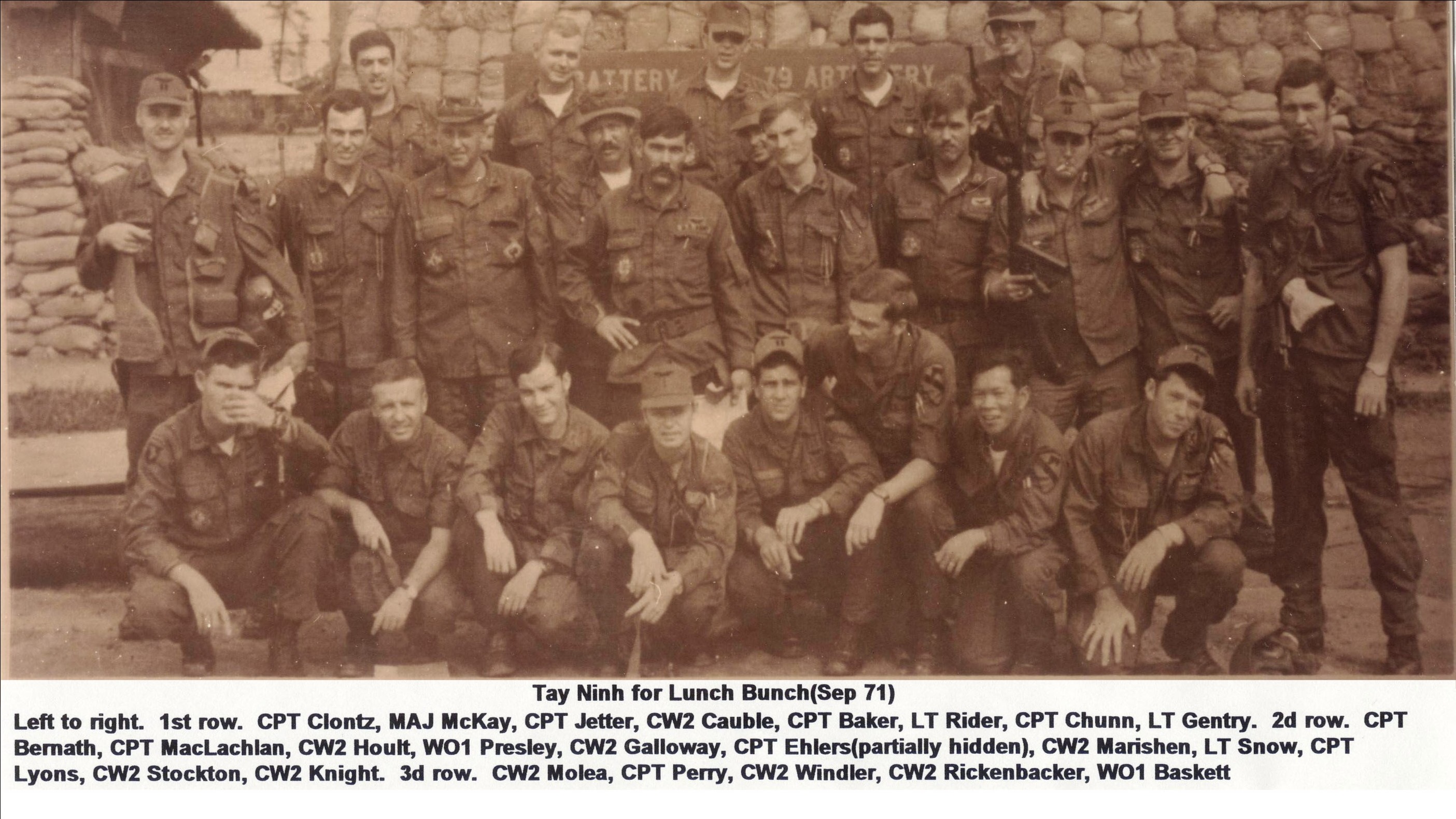
F BATTERY 79TH AFA • U.S. Army • 1971
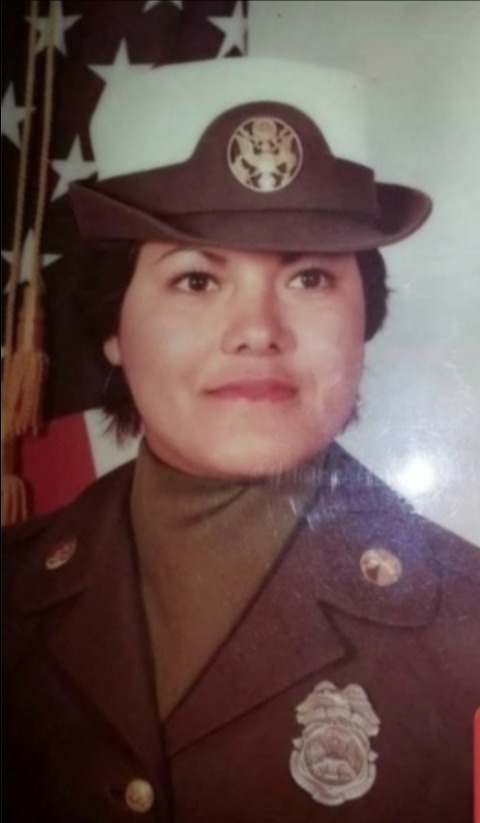
U.S. Army
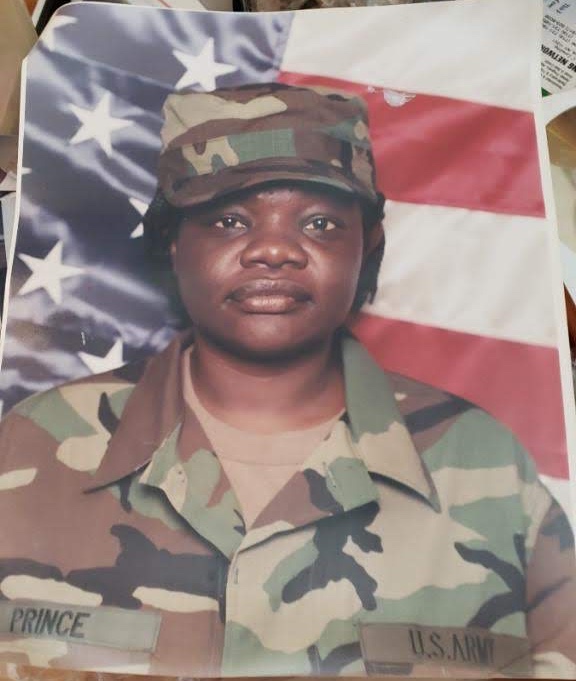
U.S. Army • 2000

U.S. Army