Opening branch overview
Building the branch home surface
Loading branch highlights, featured unit context, and gallery moments.
Overview
Members
Units
Building the branch home surface
Loading branch highlights, featured unit context, and gallery moments.
Building the branch units surface
Loading unit filters, rankings, and the branch unit grid.

7 members•1 unit
Relive and share the memories of your service-time with your brothers and sisters in arms today. VetFriends.com can help you reconnect.
Did you proudly serve in the US Army Armor and Engineer Test Board?
Are you looking for someone who is or was in the US Army Armor and Engineer Test Board?
Do you have US Army Armor and Engineer Test Board photos you'd like to share?
Then join a community with your brothers and sisters of the US Army Armor and Engineer Test Board.
Branch
U.S. Army
Members
7
The US Army Armor and Engineer Test Board was established during World War II at Fort Knox, Kentucky, to evaluate and test armored vehicles, engineer equipment, and related technologies for the Army. Its mission was to provide rigorous, impartial assessments of new tanks, armored personnel carriers, bridging equipment, and other materiel before fielding. The Board's work influenced the development and adoption of iconic armored vehicles such as the M4 Sherman and later, the M1 Abrams. Over the decades, it played a crucial role in modernizing Army capabilities and ensuring the effectiveness and survivability of American soldiers on the battlefield.
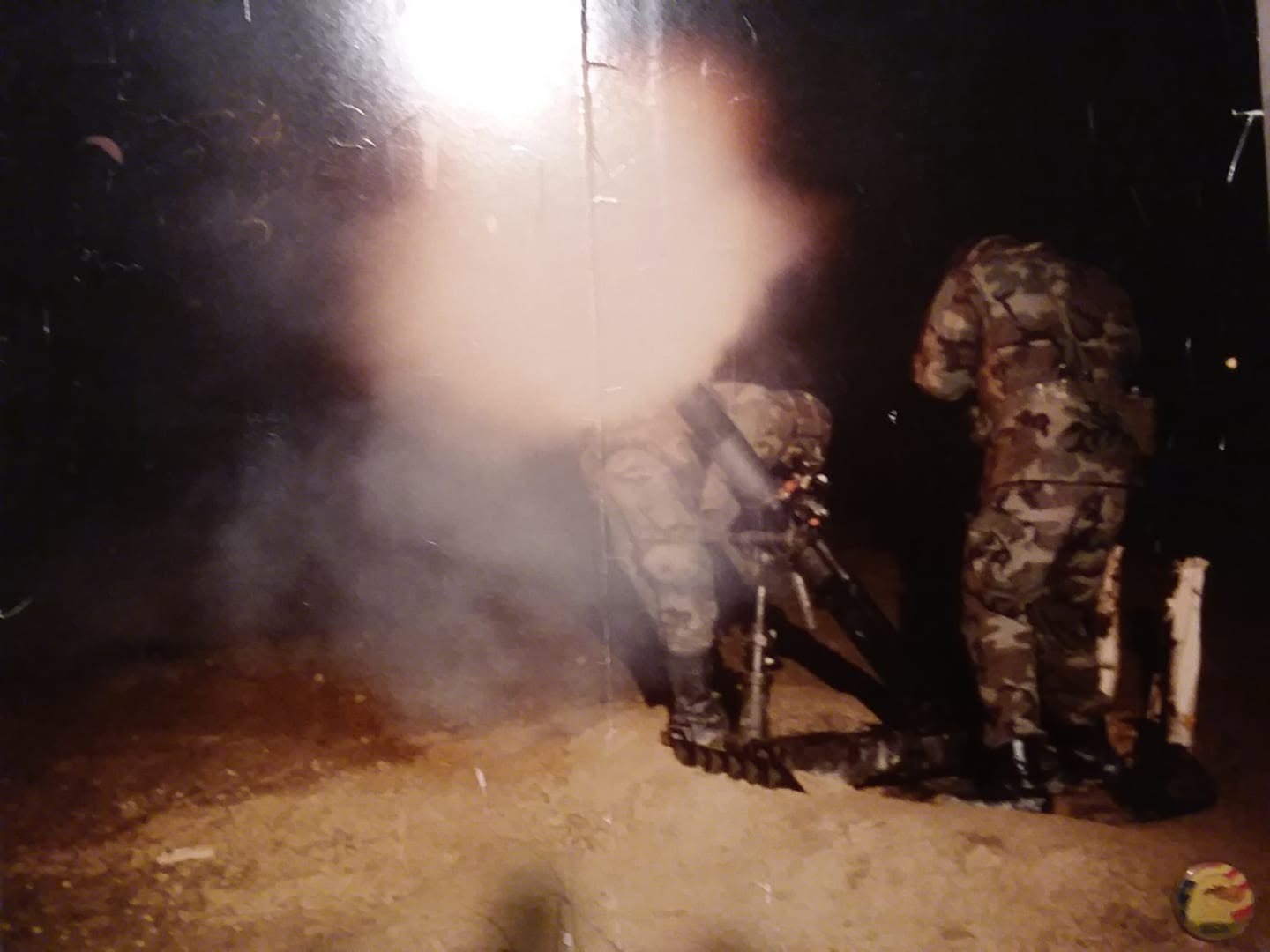
U.S. Army • 1995
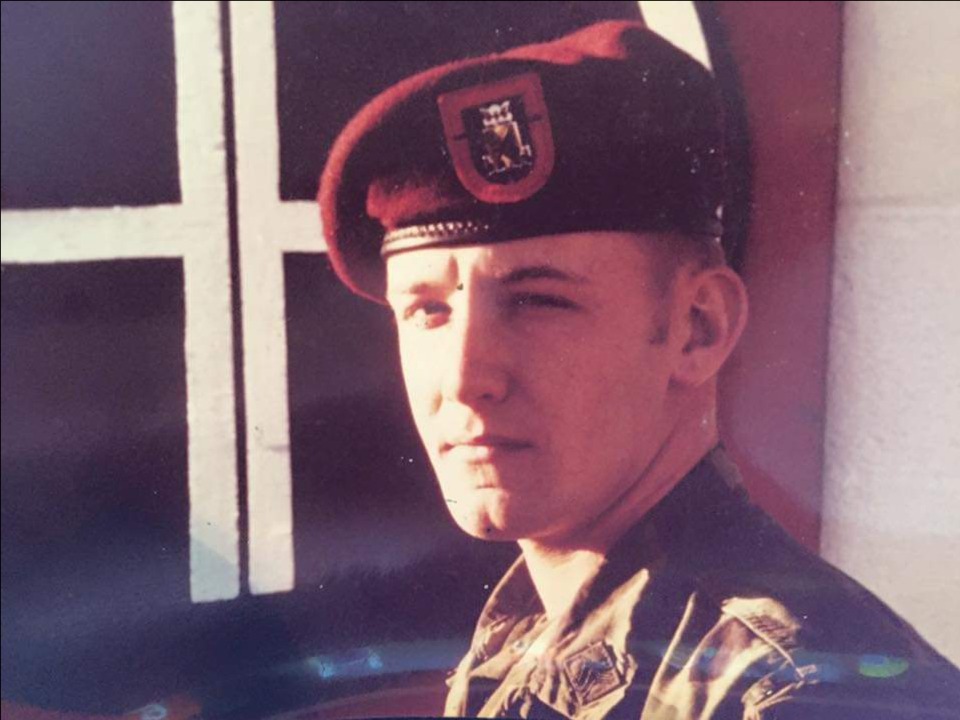
U.S. Army
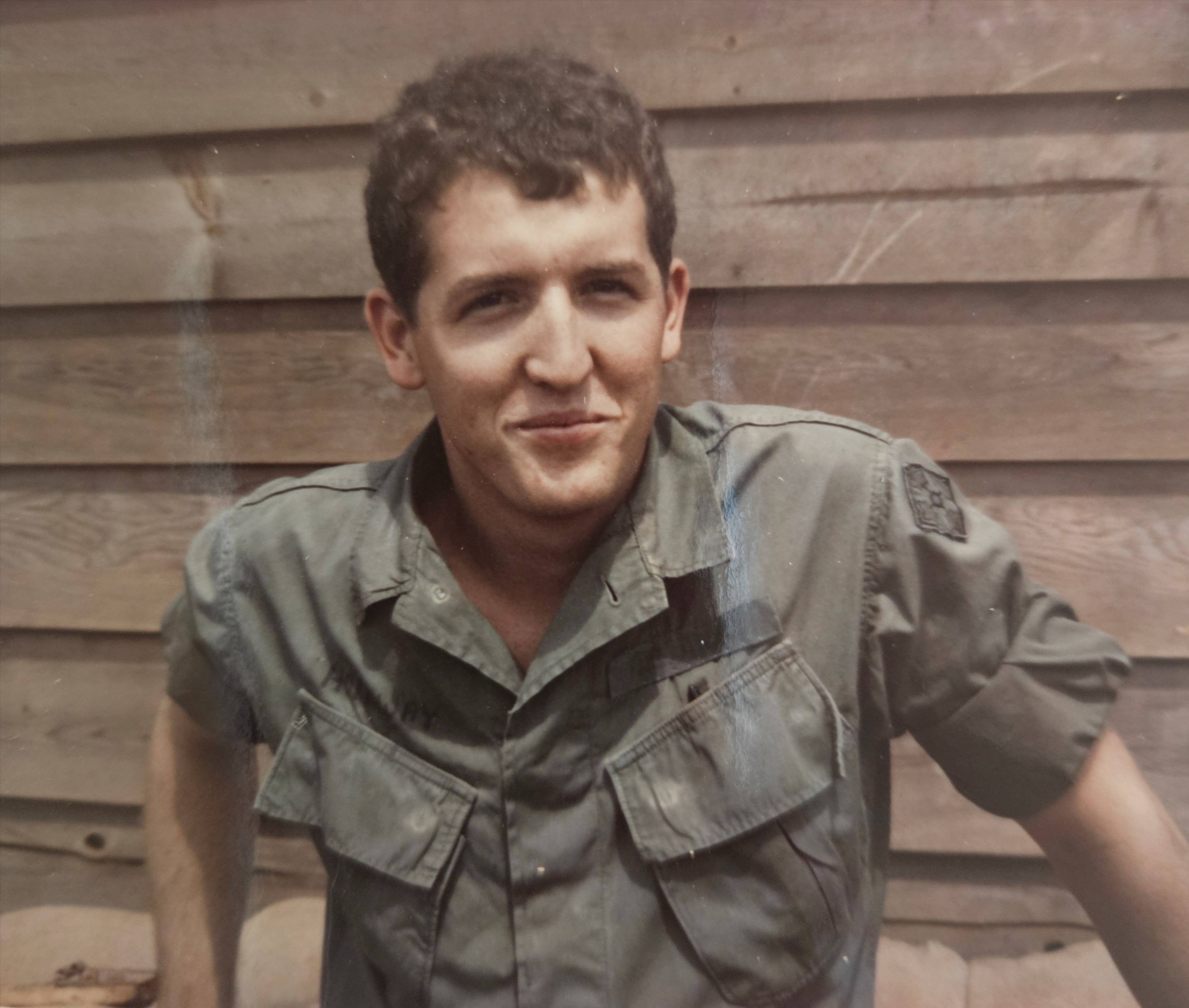
374TH RRC • U.S. Army • 1967
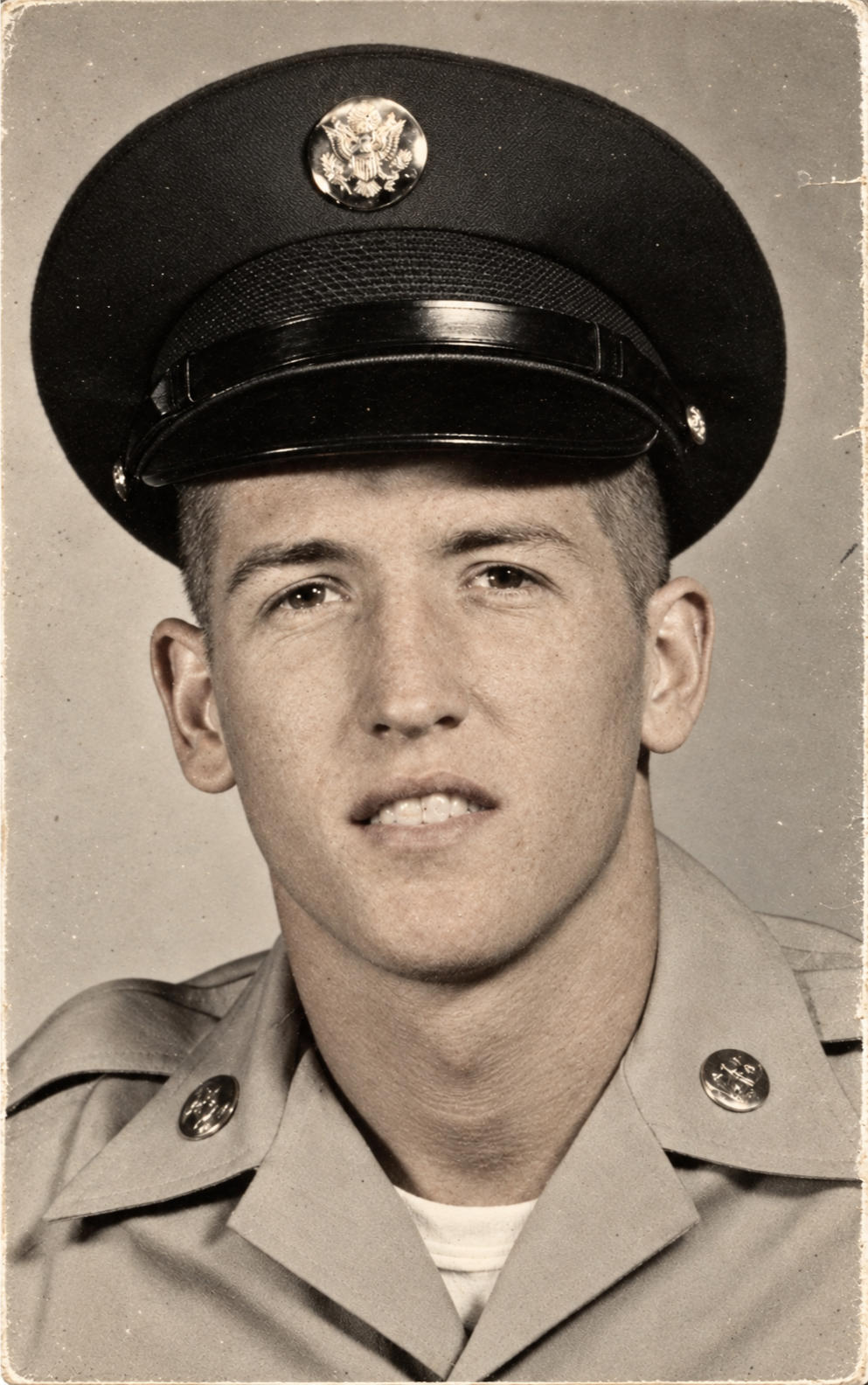
U.S. Army