
Opening branch overview
Building the branch home surface
Loading branch highlights, featured unit context, and gallery moments.
Overview
Members
Units
Building the branch home surface
Loading branch highlights, featured unit context, and gallery moments.
Building the branch units surface
Loading unit filters, rankings, and the branch unit grid.

2 members•1 unit
Relive and share the memories of your service-time with your brothers and sisters in arms today. VetFriends.com can help you reconnect.
Did you proudly serve in the Task Force ODIN?
Are you looking for someone who is or was in the Task Force ODIN?
Do you have Task Force ODIN photos you'd like to share?
Then join a community with your brothers and sisters of the Task Force ODIN.
Branch
U.S. Army
Members
2
Task Force ODIN (Observe, Detect, Identify, and Neutralize) was established by the United States Army in 2006 during the Iraq War to counter the growing threat of improvised explosive devices (IEDs) and enemy insurgents. This specialized unit focused on intelligence, surveillance, and reconnaissance (ISR) missions, utilizing advanced aerial assets such as drones and manned aircraft to locate and target insurgent activities. Task Force ODIN revolutionized battlefield awareness by integrating real-time intelligence with precision strike capabilities, significantly improving force protection and operational effectiveness. Its success in Iraq led to the expansion of its tactics and technologies to Afghanistan and influenced broader adoption of ISR integration across the U.S. military.
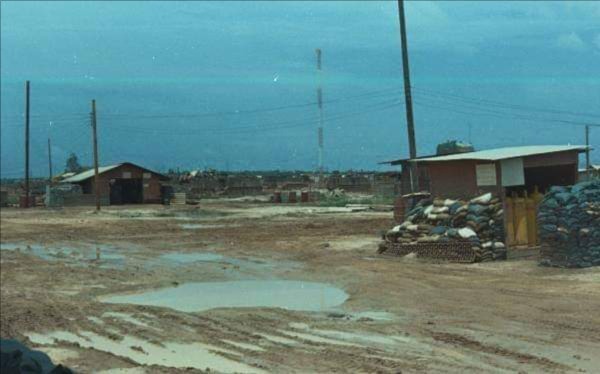
548th lmc • U.S. Army • 1970
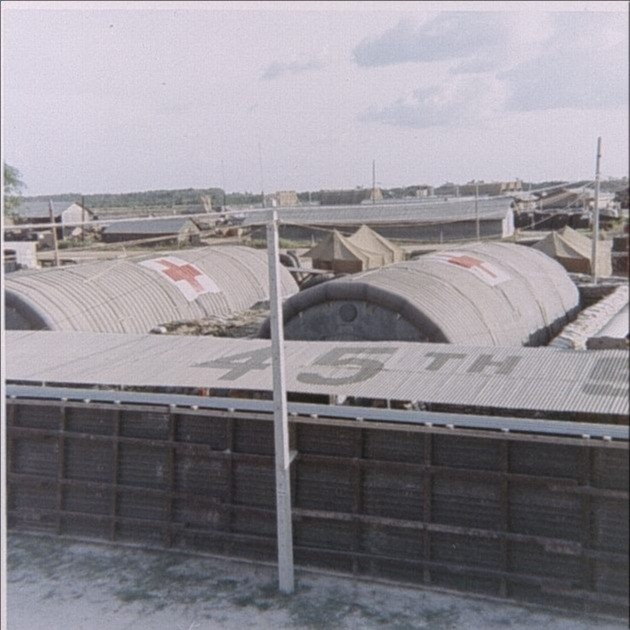
548th lmc • U.S. Army • 1970
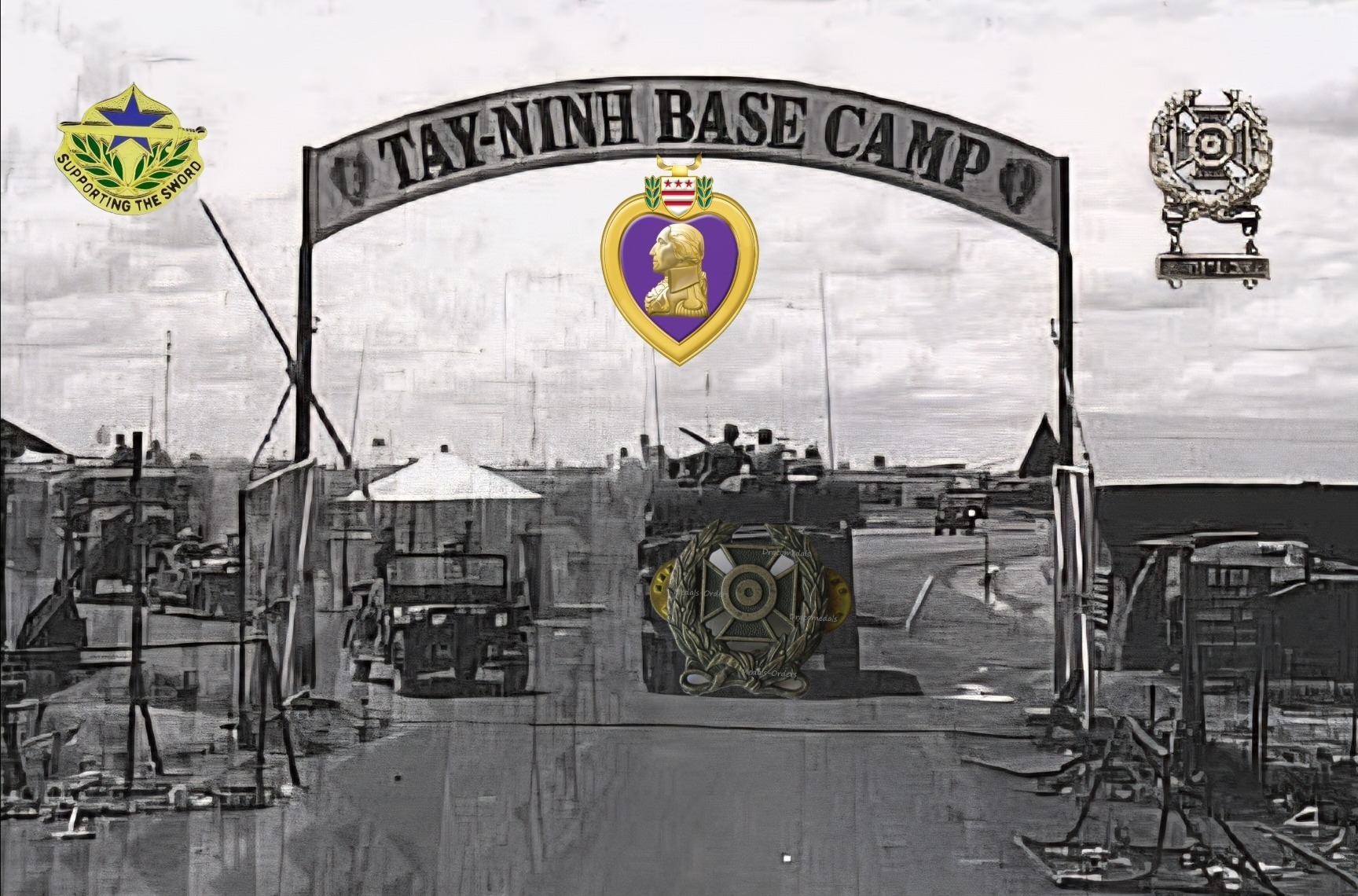
548th lmc • U.S. Army • 1970

548th lmc • U.S. Army • 1970