
Opening branch overview
Building the branch home surface
Loading branch highlights, featured unit context, and gallery moments.
Overview
Members
Units
Building the branch home surface
Loading branch highlights, featured unit context, and gallery moments.
Building the branch units surface
Loading unit filters, rankings, and the branch unit grid.

U.S. Army•1 members
Relive and share the memories of your service-time with your brothers and sisters in arms today. VetFriends.com can help you reconnect.
Did you proudly serve in the Recovery Specialist?
Are you looking for someone who is or was in the Recovery Specialist?
Do you have Recovery Specialist photos you'd like to share?
Then join a community with your brothers and sisters of the Recovery Specialist.
The Recovery Specialist unit has its origins in World War II, when dedicated teams were formed to retrieve downed aircraft and recover wounded personnel from the battlefield. Over the decades, their role evolved with advances in technology, expanding to include the recovery of sensitive equipment and hazardous materials. In modern military operations, Recovery Specialists are highly trained in extraction techniques, often working under fire to secure both personnel and critical assets. Their expertise is vital in minimizing losses and ensuring operational continuity in hostile environments.
U.S. Army
U.S. Army
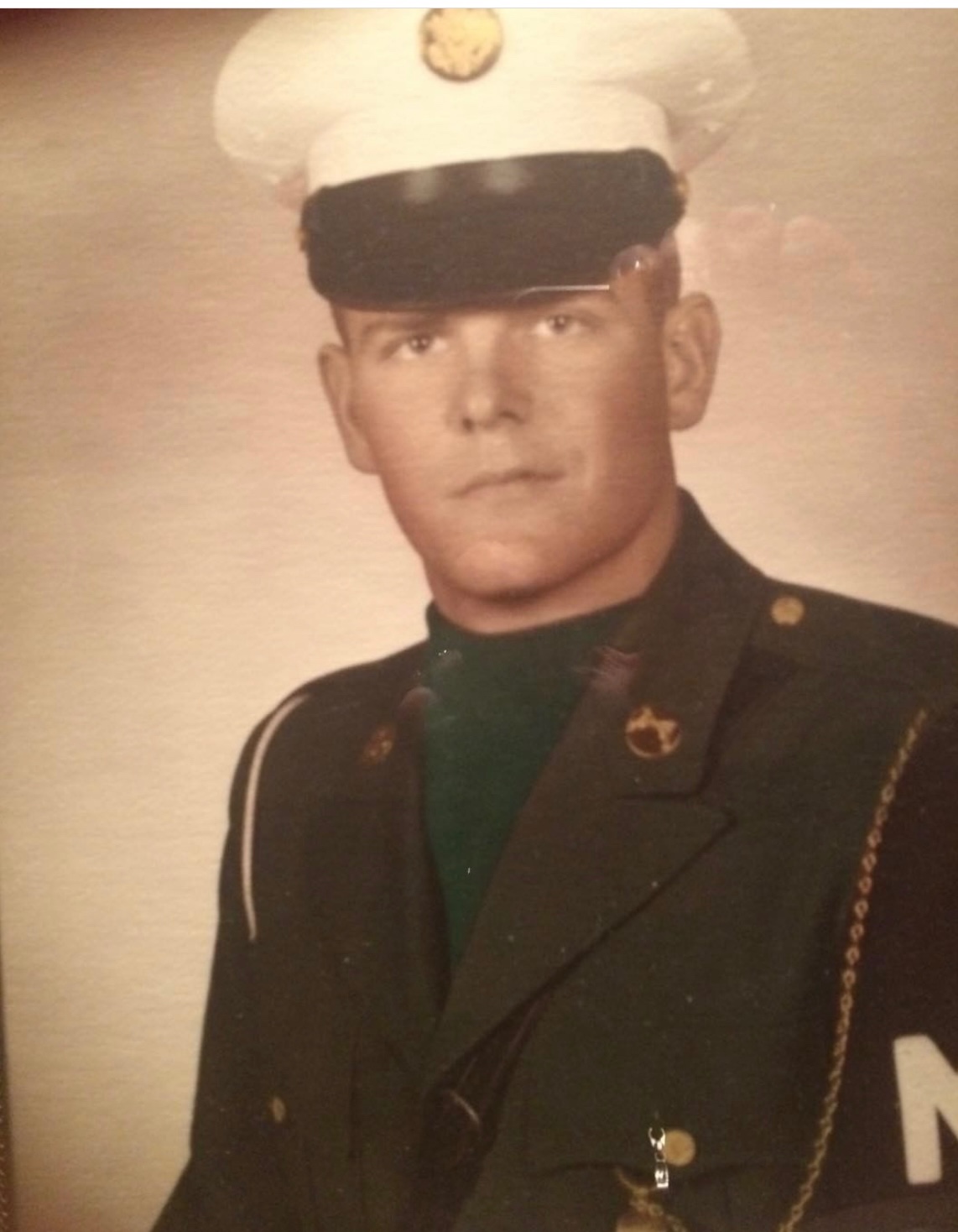
572nd MP Company • U.S. Army • 1966
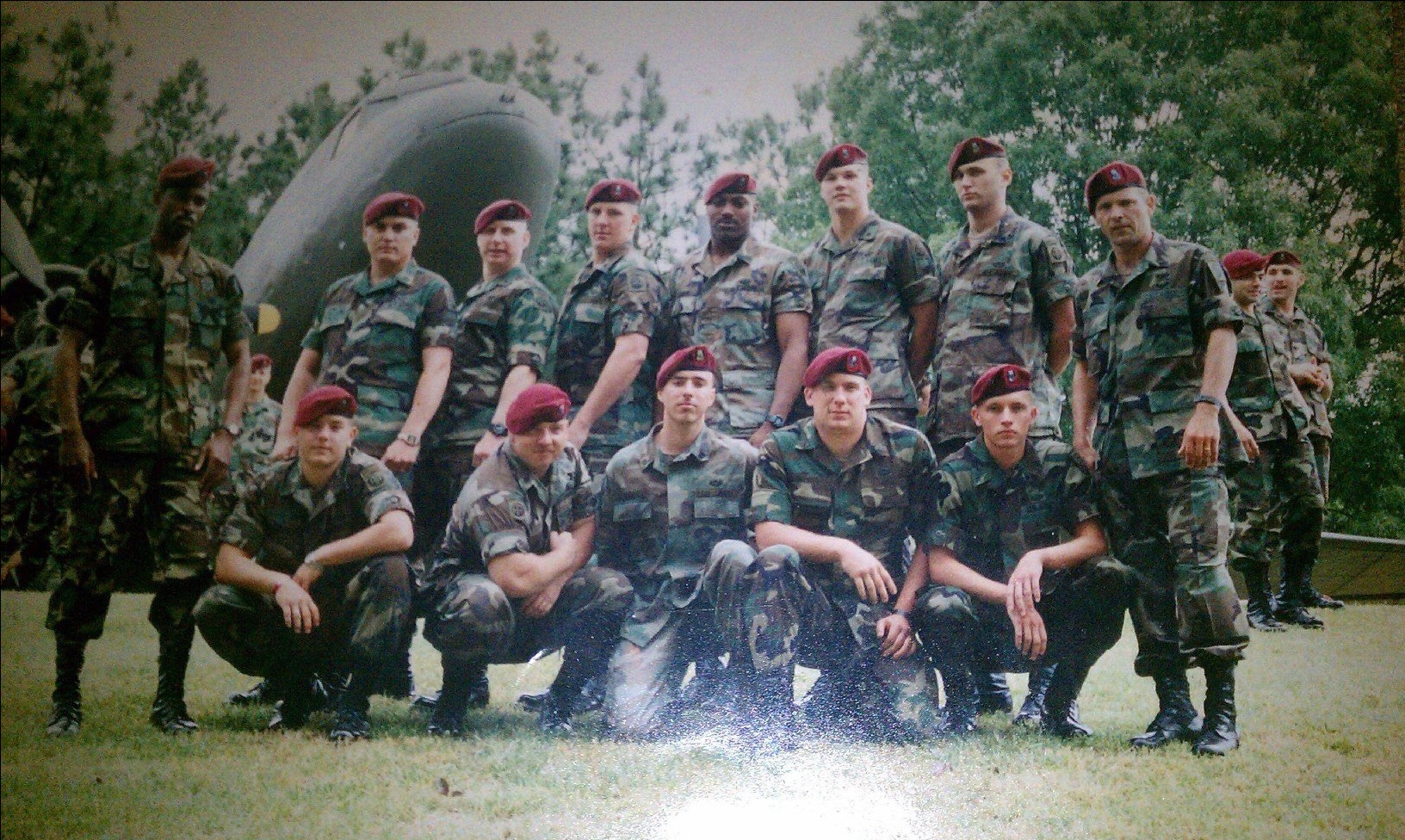
U.S. Army