
Opening branch overview
Building the branch home surface
Loading branch highlights, featured unit context, and gallery moments.
Overview
Members
Units
Building the branch home surface
Loading branch highlights, featured unit context, and gallery moments.
Building the branch units surface
Loading unit filters, rankings, and the branch unit grid.

5 members•1 unit
Relive and share the memories of your service-time with your brothers and sisters in arms today. VetFriends.com can help you reconnect.
Did you proudly serve in the PACEX?
Are you looking for someone who is or was in the PACEX?
Do you have PACEX photos you'd like to share?
Then join a community with your brothers and sisters of the PACEX.
Branch
U.S. Army
Members
5
PACEX, short for Pacific Exercise, was a series of large-scale naval exercises conducted by the United States Navy and its allies in the Pacific Ocean during the late Cold War, most notably in 1986. The exercises were designed to demonstrate the ability of the U.S. Pacific Fleet to project power and coordinate complex operations across vast oceanic distances, while also sending a strategic message to the Soviet Union regarding Western naval capabilities. PACEX '89 was one of the largest peacetime naval operations since World War II, involving over 50 ships, hundreds of aircraft, and tens of thousands of personnel from the U.S., Japan, Australia, and Canada. These exercises significantly enhanced interoperability among allied navies and contributed to the deterrence posture of NATO forces in the Pacific theater.
U.S. Army
1st Aviation • U.S. Army • 1969
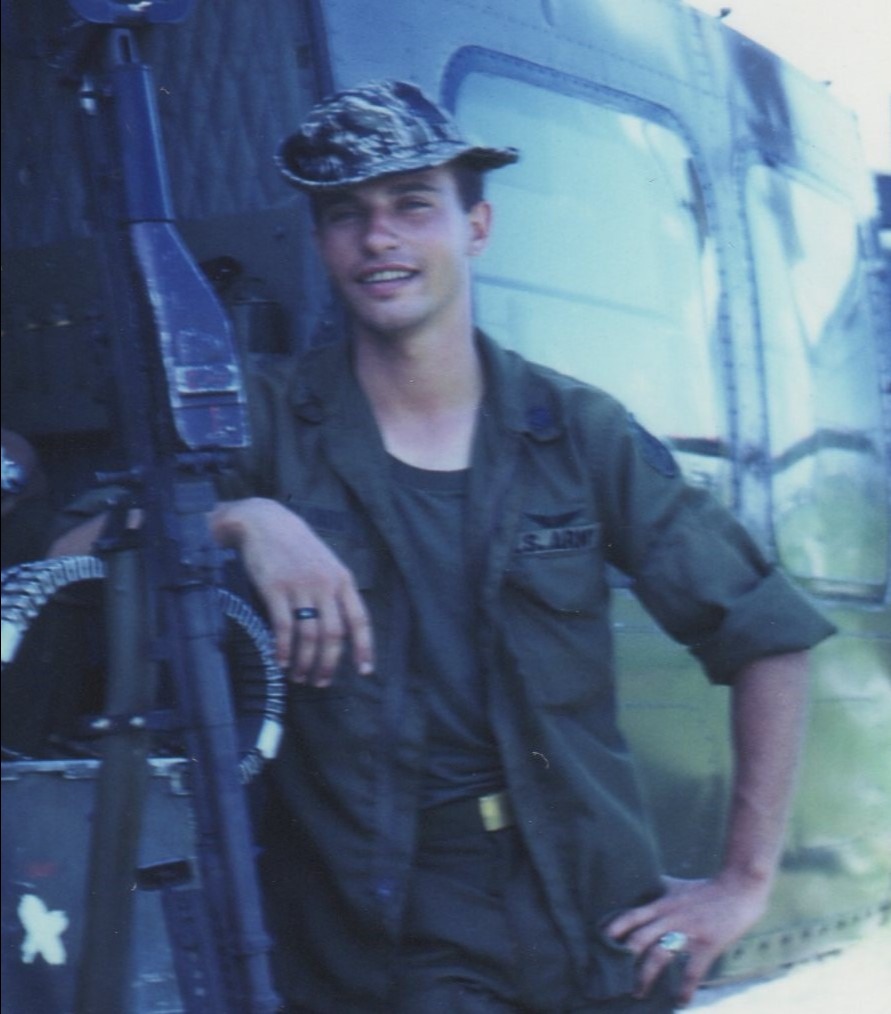
1st Aviation • U.S. Army • 1969
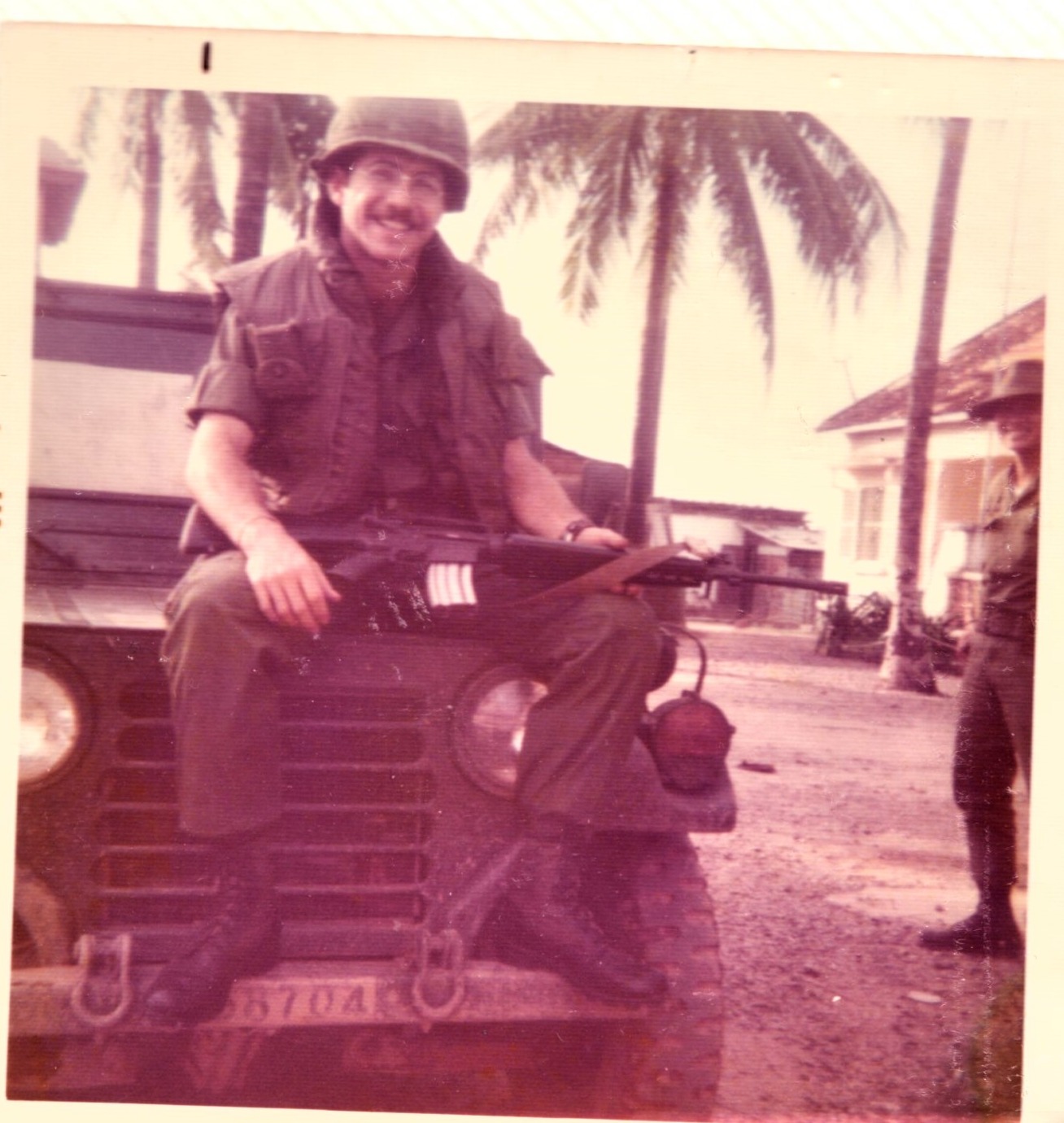
U.S. Army • 1972