
Opening branch overview
Building the branch home surface
Loading branch highlights, featured unit context, and gallery moments.
Overview
Members
Units
Building the branch home surface
Loading branch highlights, featured unit context, and gallery moments.
Building the branch units surface
Loading unit filters, rankings, and the branch unit grid.

2 members•1 unit
Relive and share the memories of your service-time with your brothers and sisters in arms today. VetFriends.com can help you reconnect.
Did you proudly serve in the National support element?
Are you looking for someone who is or was in the National support element?
Do you have National support element photos you'd like to share?
Then join a community with your brothers and sisters of the National support element.
Branch
U.S. Army
Members
2
The National Support Element (NSE) is a military unit established to provide logistical and administrative support to deployed national contingents within multinational operations. Originating in the late 20th century with the increasing prevalence of coalition missions, NSEs are typically responsible for supply, transportation, personnel administration, and coordination with both host nation and allied support structures. The concept gained prominence during operations such as the NATO missions in the Balkans and Afghanistan, where seamless national support was vital for operational effectiveness. Today, NSEs remain a critical component in ensuring the self-sufficiency and readiness of national forces operating abroad.

U.S. Army

ARTILLERY • U.S. Army

U.S. Army
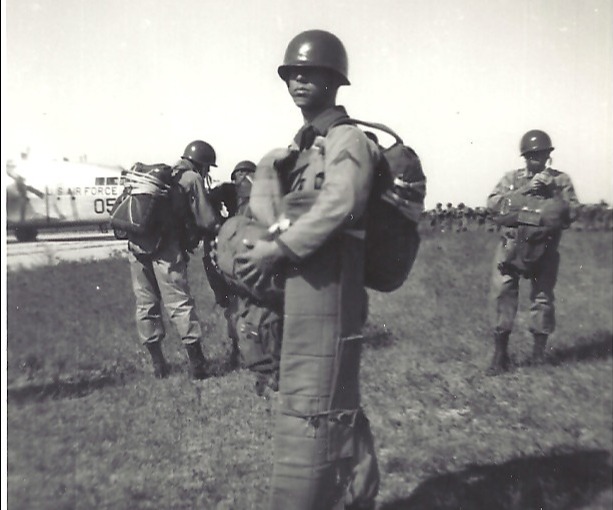
82nd Airborne • U.S. Army • 1954