
Opening branch overview
Building the branch home surface
Loading branch highlights, featured unit context, and gallery moments.
Overview
Members
Units
Building the branch home surface
Loading branch highlights, featured unit context, and gallery moments.
Building the branch units surface
Loading unit filters, rankings, and the branch unit grid.

2 members•1 unit
Relive and share the memories of your service-time with your brothers and sisters in arms today. VetFriends.com can help you reconnect.
Did you proudly serve in the Mt. Meissner?
Are you looking for someone who is or was in the Mt. Meissner?
Do you have Mt. Meissner photos you'd like to share?
Then join a community with your brothers and sisters of the Mt. Meissner.
Branch
U.S. Army
Members
2
**Mt. Meissner** refers to a region in Hesse, Germany, notable for its strategic role during the Cold War. Due to its elevation and central location, Mt. Meissner hosted significant NATO military communications and radar installations, serving as a critical link in Western Europe's early warning and air defense network. Various military detachments, including U.S. and German personnel, were stationed there to operate and secure these facilities. The site remained active throughout the Cold War, contributing to the surveillance and security of the region until the early 1990s, when technological advances and political changes led to its decommissioning.

U.S. Army
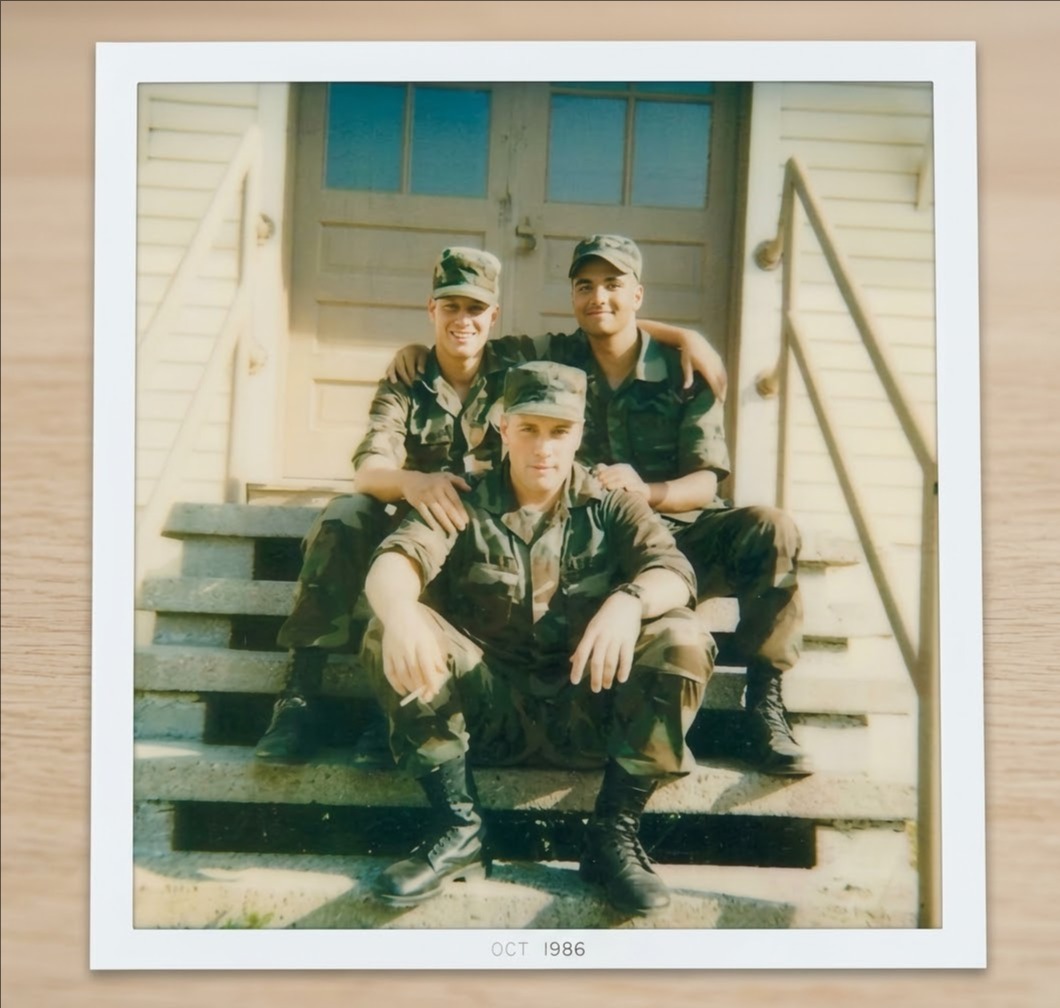
3rd Armored Division • U.S. Army • 1984

U.S. Army
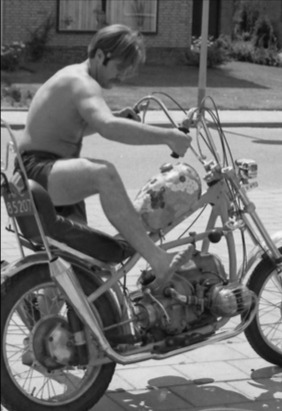
USAE AFCENT • U.S. Army • 1971