
Opening branch overview
Building the branch home surface
Loading branch highlights, featured unit context, and gallery moments.
Overview
Members
Units
Building the branch home surface
Loading branch highlights, featured unit context, and gallery moments.
Building the branch units surface
Loading unit filters, rankings, and the branch unit grid.

4 members•1 unit
Relive and share the memories of your service-time with your brothers and sisters in arms today. VetFriends.com can help you reconnect.
Did you proudly serve in the JAG MILITARY JUDGE?
Are you looking for someone who is or was in the JAG MILITARY JUDGE?
Do you have JAG MILITARY JUDGE photos you'd like to share?
Then join a community with your brothers and sisters of the JAG MILITARY JUDGE.
Branch
U.S. Army
Members
4
**JAG Military Judge** units are specialized components within a nation's Judge Advocate General's (JAG) Corps, tasked with presiding over courts-martial and other military judicial proceedings. The role of the military judge was formally established in the United States by the Military Justice Act of 1968, separating judicial authority from the command structure to ensure impartiality and fairness in military trials. Military judges are typically senior officers with extensive legal training and experience in military law. Over the decades, JAG Military Judges have played a critical role in upholding discipline, order, and justice within the armed forces, adapting to evolving legal standards and operational challenges worldwide.
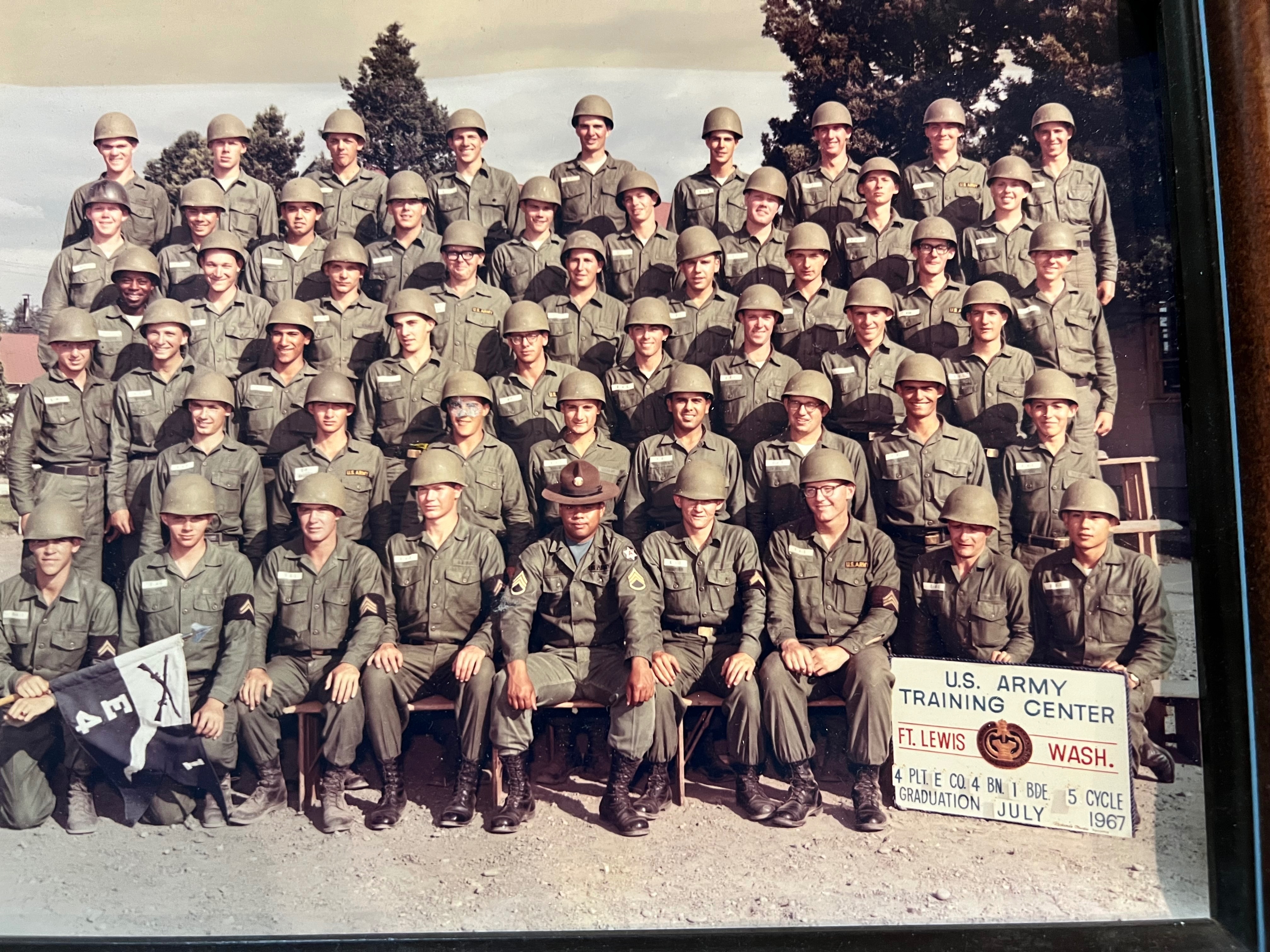
U.S. Army
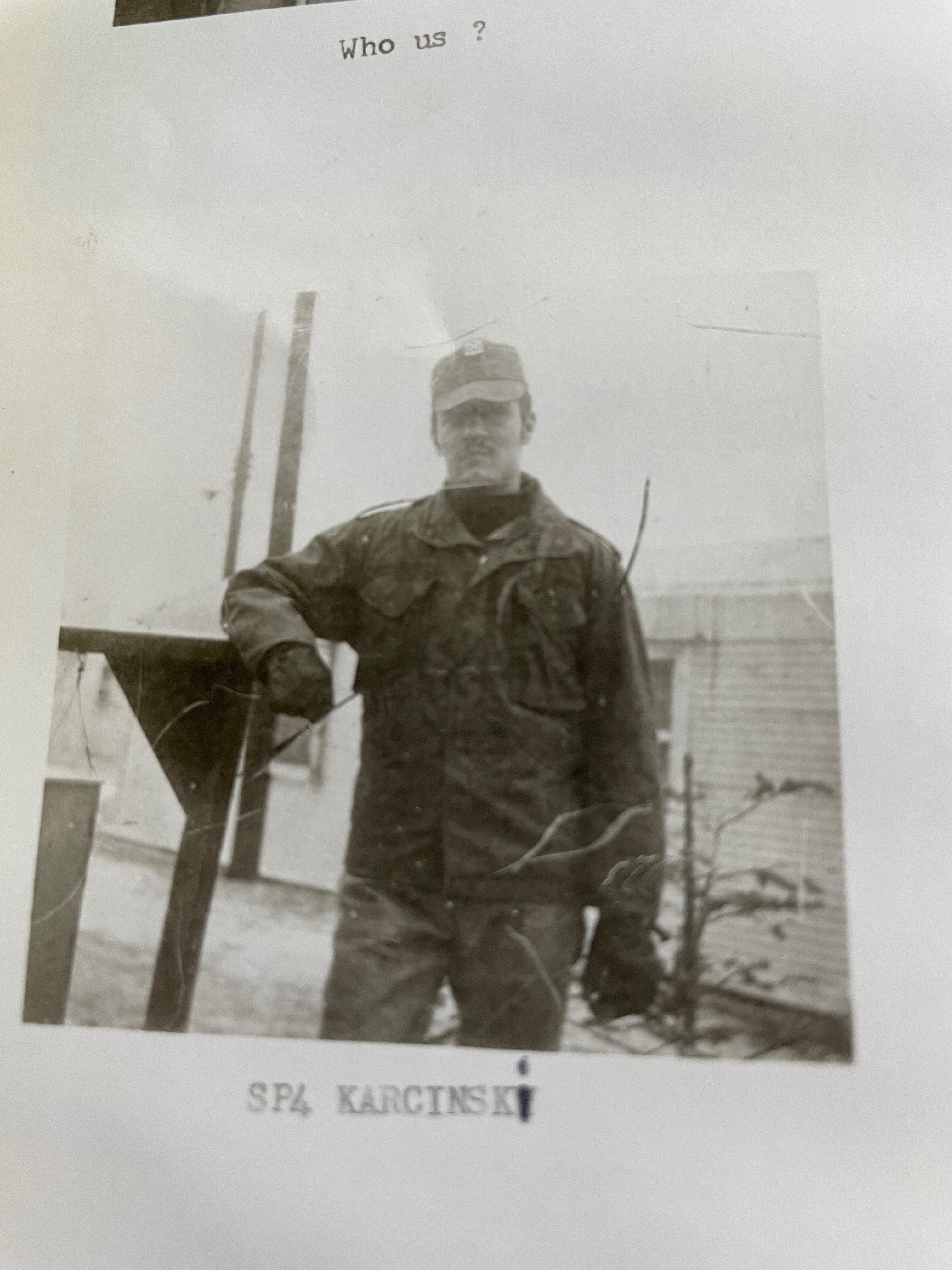
U.S. Army
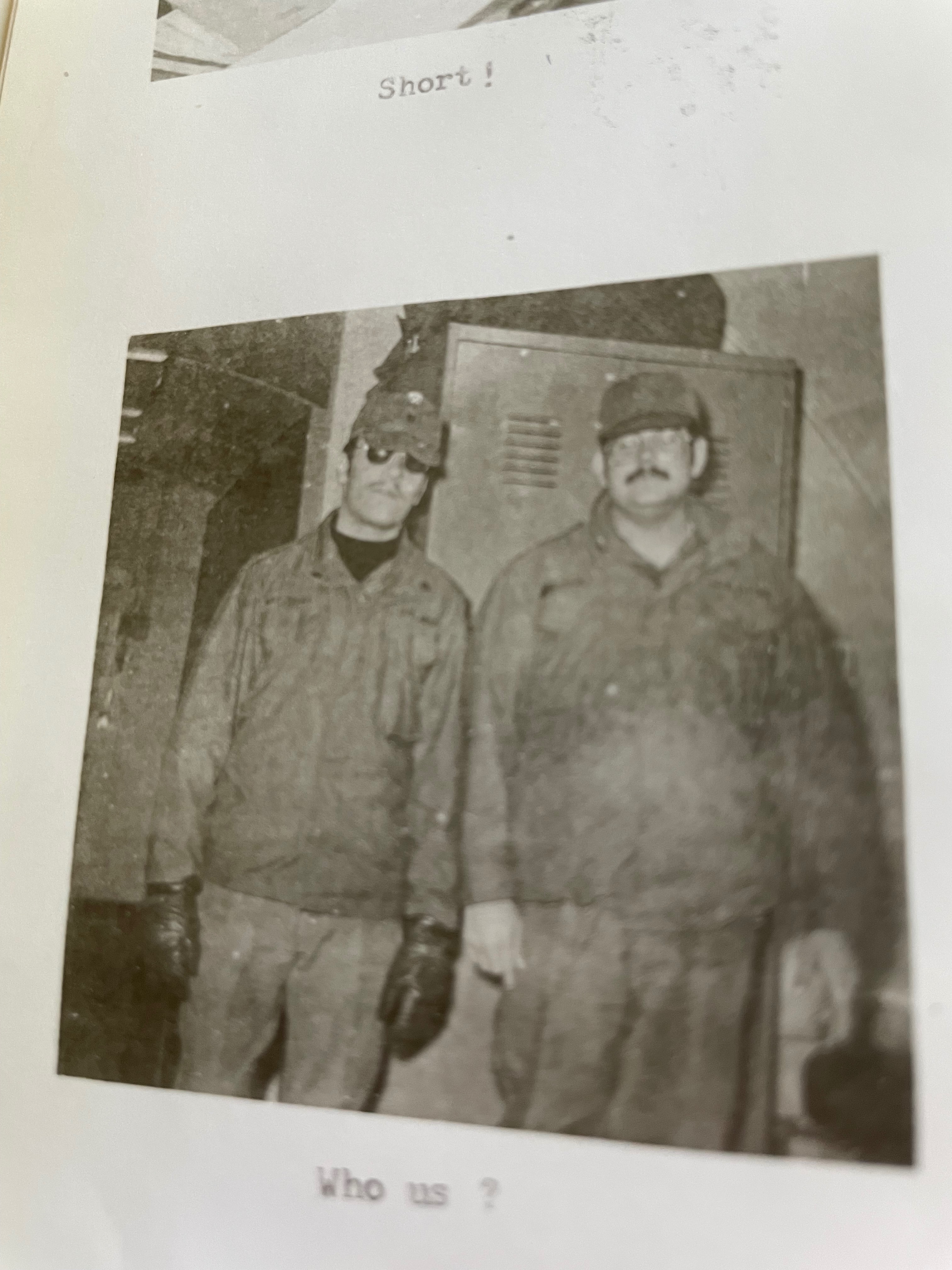
U.S. Army
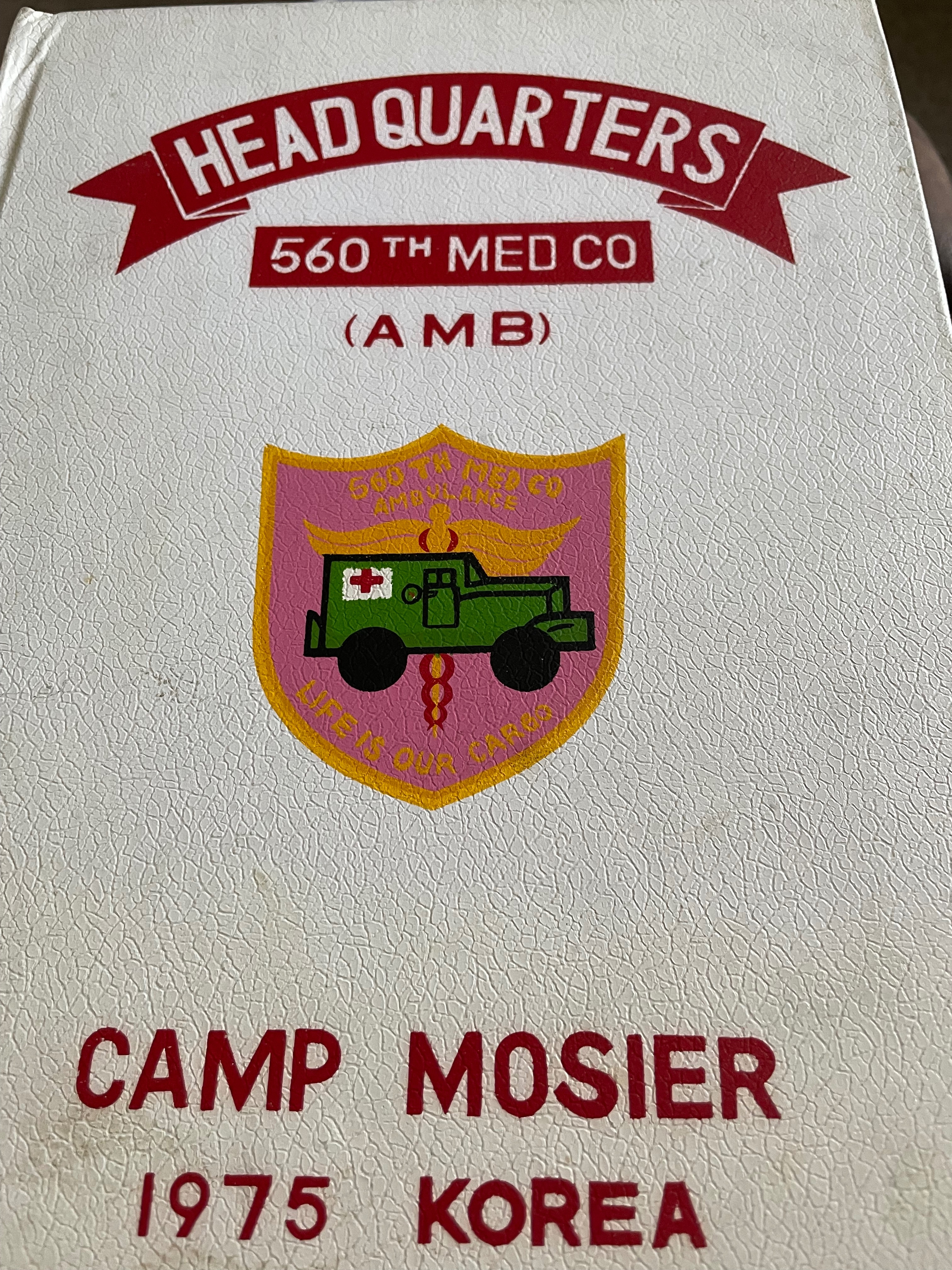
U.S. Army