
Opening branch overview
Building the branch home surface
Loading branch highlights, featured unit context, and gallery moments.
Overview
Members
Units
Building the branch home surface
Loading branch highlights, featured unit context, and gallery moments.
Building the branch units surface
Loading unit filters, rankings, and the branch unit grid.

38 members•1 unit
Relive and share the memories of your service-time with your brothers and sisters in arms today. VetFriends.com can help you reconnect.
Did you proudly serve in the Hq Btry 15th AAA AW Bn?
Are you looking for someone who is or was in the Hq Btry 15th AAA AW Bn?
Do you have Hq Btry 15th AAA AW Bn photos you'd like to share?
Then join a community with your brothers and sisters of the Hq Btry 15th AAA AW Bn.
Branch
U.S. Army
Members
38
Headquarters Battery, 15th Antiaircraft Artillery Automatic Weapons Battalion (Hq Btry 15th AAA AW Bn) traces its origins to World War II, when it was activated to provide vital air defense for U.S. Army forces. Throughout the late stages of the war, the unit was equipped with automatic weapons such as the .50 caliber machine gun and 40mm Bofors, offering protection against enemy aircraft during key campaigns in the European Theater. Following the war, the battalion was reorganized and continued its service during the early Cold War era, adapting to evolving air defense technologies and strategies. The unit’s legacy reflects the broader transition of U.S. Army air defense forces from World War II through the dawn of the missile age.
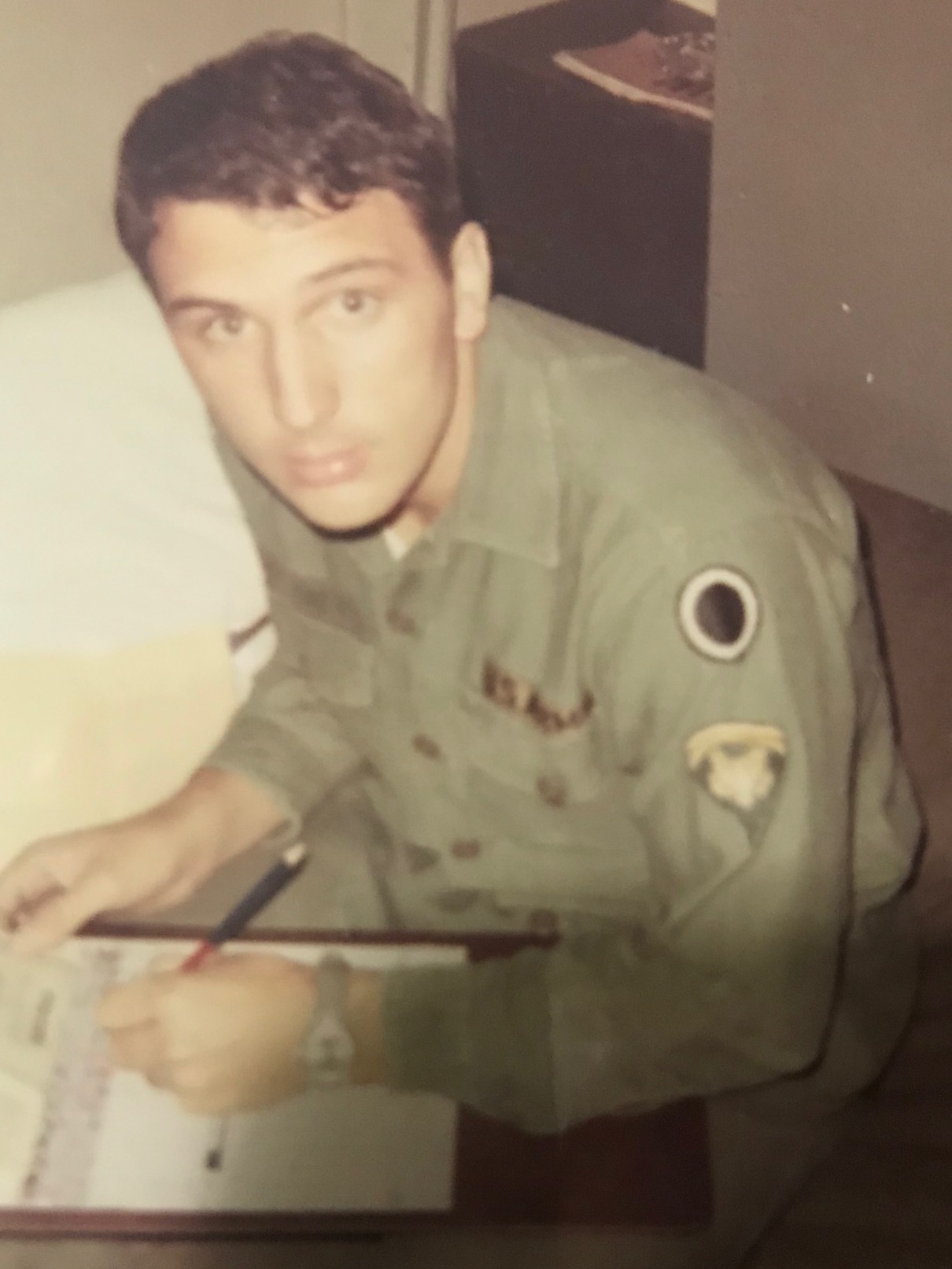
51st Signal Battalion, Company C in South Korea • U.S. Army • 1969
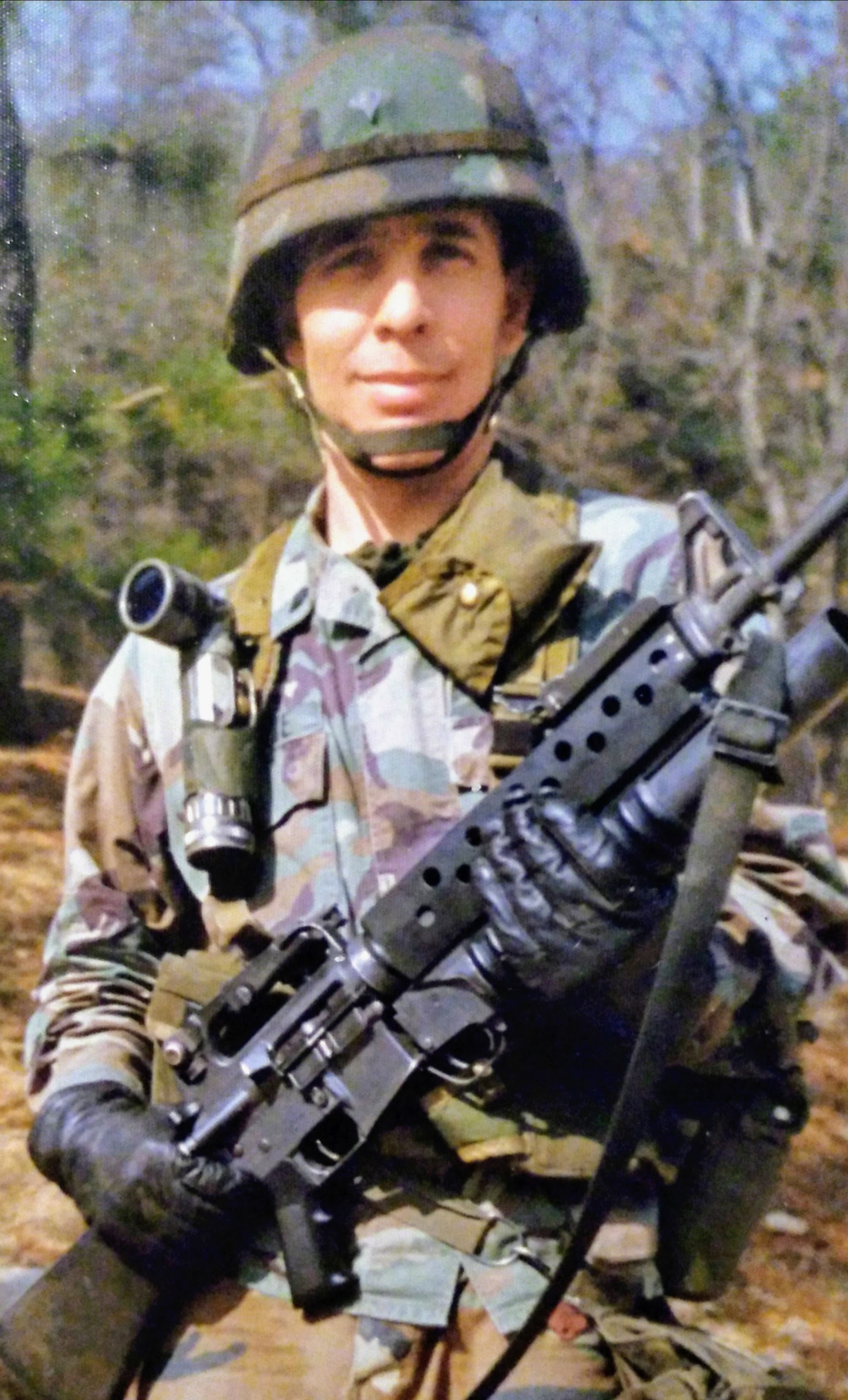
473rd. Q.M. • U.S. Army • 1995
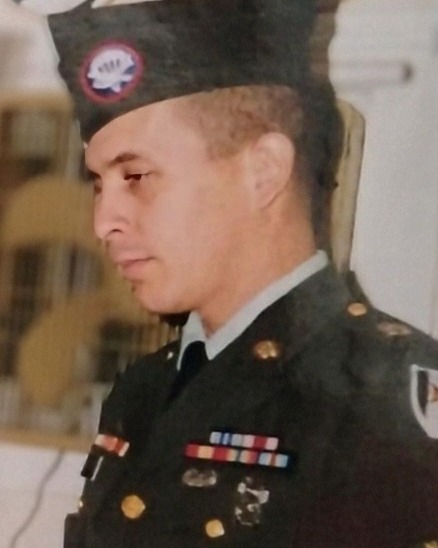
86th. Combat Support Hospital, Ft. Campbell, Kentucky. • U.S. Army • 1993
U.S. Army • 2024