
Opening branch overview
Building the branch home surface
Loading branch highlights, featured unit context, and gallery moments.
Overview
Members
Units
Building the branch home surface
Loading branch highlights, featured unit context, and gallery moments.
Building the branch units surface
Loading unit filters, rankings, and the branch unit grid.

37 members•1 unit
Relive and share the memories of your service-time with your brothers and sisters in arms today. VetFriends.com can help you reconnect.
Did you proudly serve in the Graves Registration?
Are you looking for someone who is or was in the Graves Registration?
Do you have Graves Registration photos you'd like to share?
Then join a community with your brothers and sisters of the Graves Registration.
Branch
U.S. Army
Members
37
The Graves Registration Service (GRS) was a specialized unit within the United States Army responsible for the recovery, identification, and burial of deceased military personnel. Established during World War I, the GRS played a critical role in ensuring fallen soldiers were respectfully handled and accounted for, often working close to combat zones under hazardous conditions. Their mission continued through World War II, the Korean War, and the Vietnam War, evolving with advancements in forensic science and identification techniques. Today, their legacy is carried on by the Defense POW/MIA Accounting Agency (DPAA), dedicated to the recovery and identification of missing American service members worldwide.
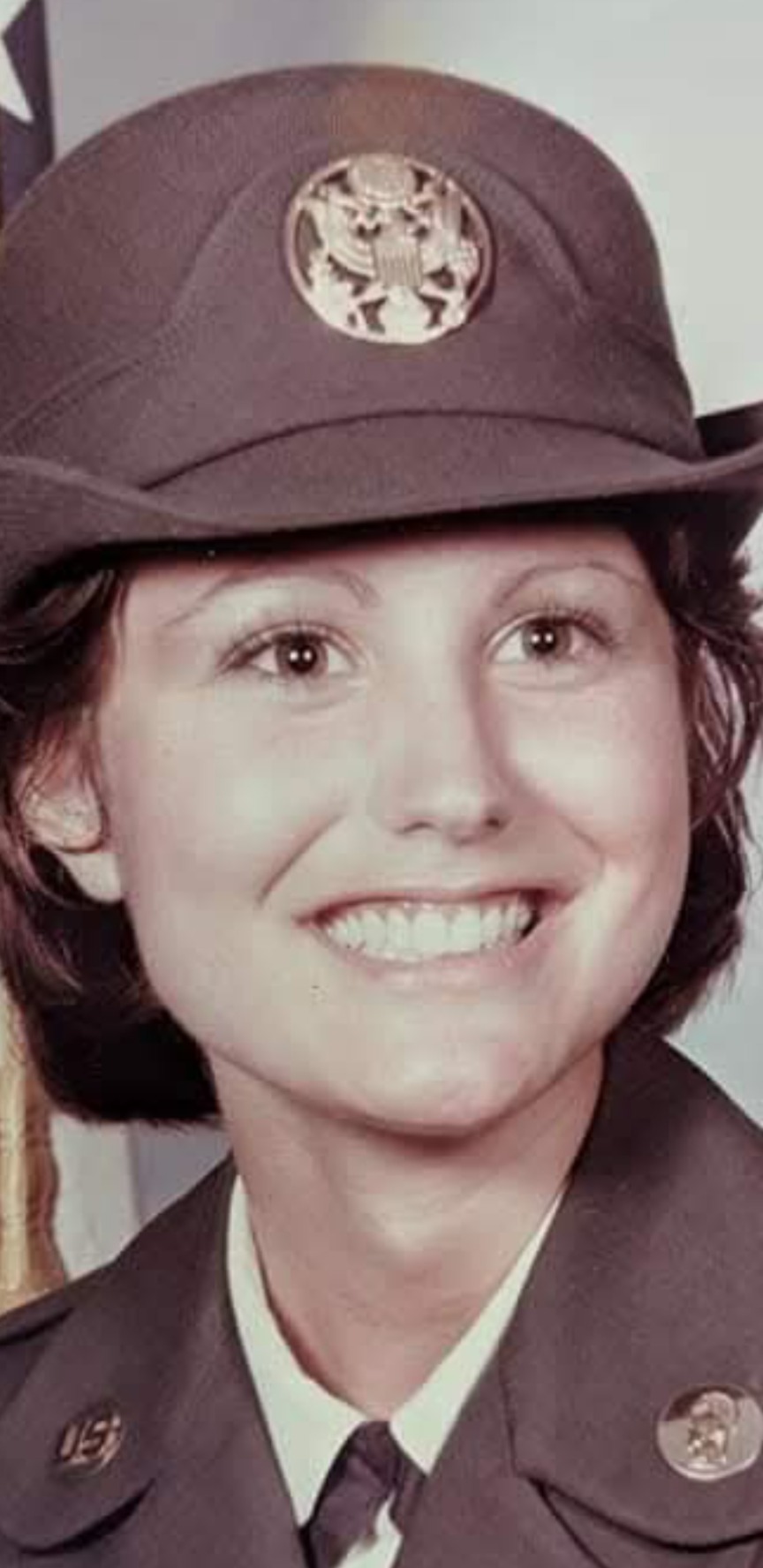
U.S. Army • 1977
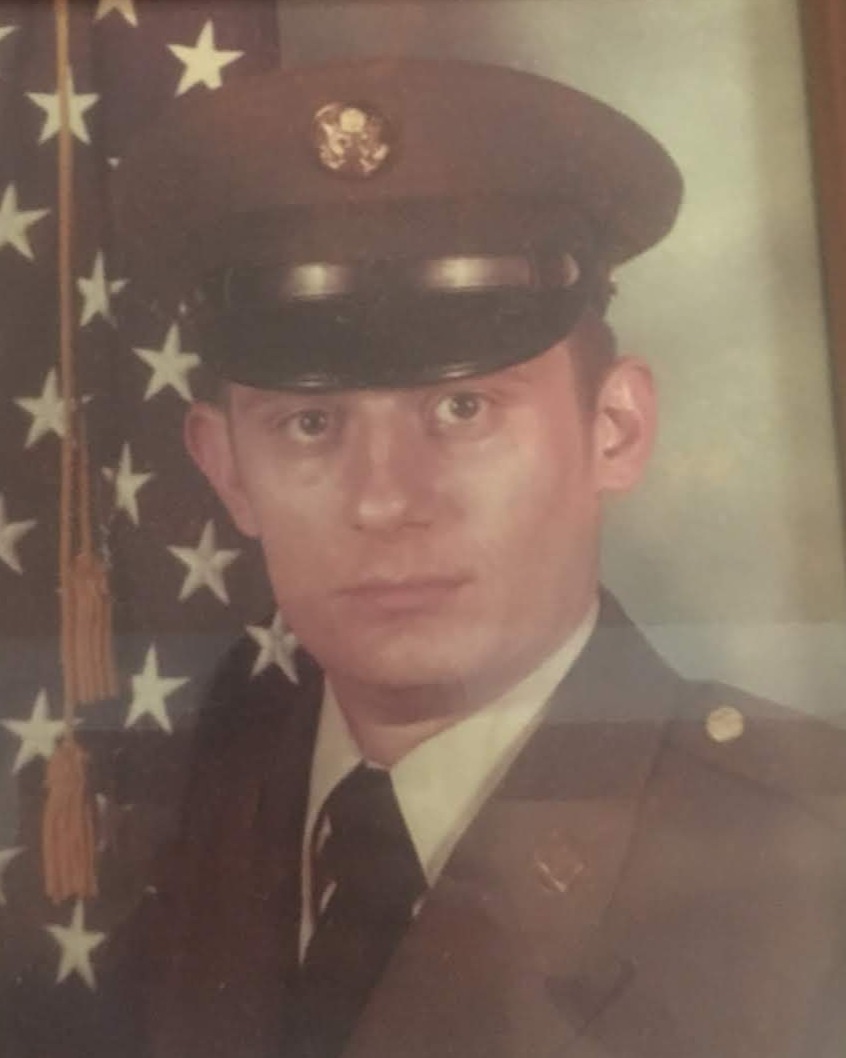
U.S. Army

U.S. Army • 2012
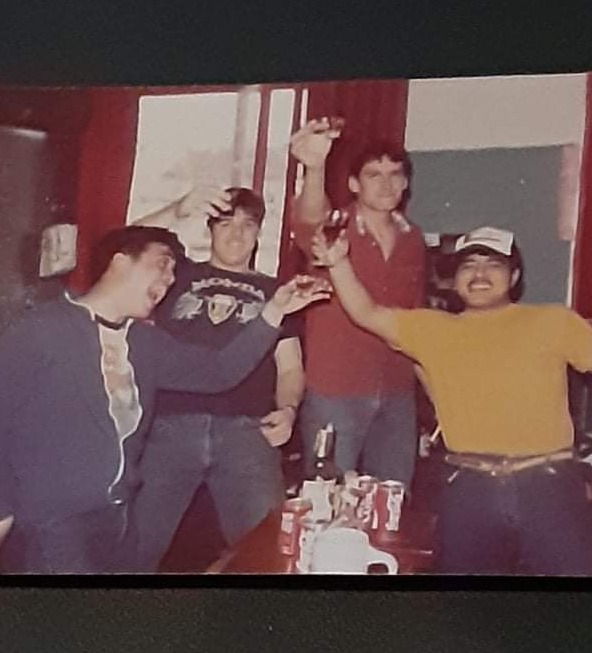
HHC 23rd combat engineer Hanau, Germany • U.S. Army • 1983