
Opening branch overview
Building the branch home surface
Loading branch highlights, featured unit context, and gallery moments.
Overview
Members
Units
Building the branch home surface
Loading branch highlights, featured unit context, and gallery moments.
Building the branch units surface
Loading unit filters, rankings, and the branch unit grid.

37 members•1 unit
Relive and share the memories of your service-time with your brothers and sisters in arms today. VetFriends.com can help you reconnect.
Did you proudly serve in the Ft. Wingate Army Depot, Gallup, NM?
Are you looking for someone who is or was in the Ft. Wingate Army Depot, Gallup, NM?
Do you have Ft. Wingate Army Depot, Gallup, NM photos you'd like to share?
Then join a community with your brothers and sisters of the Ft. Wingate Army Depot, Gallup, NM.
Branch
U.S. Army
Members
37
Ft. Wingate Army Depot, located near Gallup, New Mexico, has a military history dating back to 1862 when it was established as a U.S. Army post to support operations during the Navajo campaigns. Originally known as Fort Fauntleroy and later Fort Lyon, it became Fort Wingate in 1868 and played a significant role in the forced relocation of the Navajo people, known as the Long Walk. The installation later served as a munitions depot, particularly during World War II and the Cold War, supporting ammunition storage and demilitarization activities. The depot was closed in 1993, but its legacy remains significant in the context of both regional and military history.
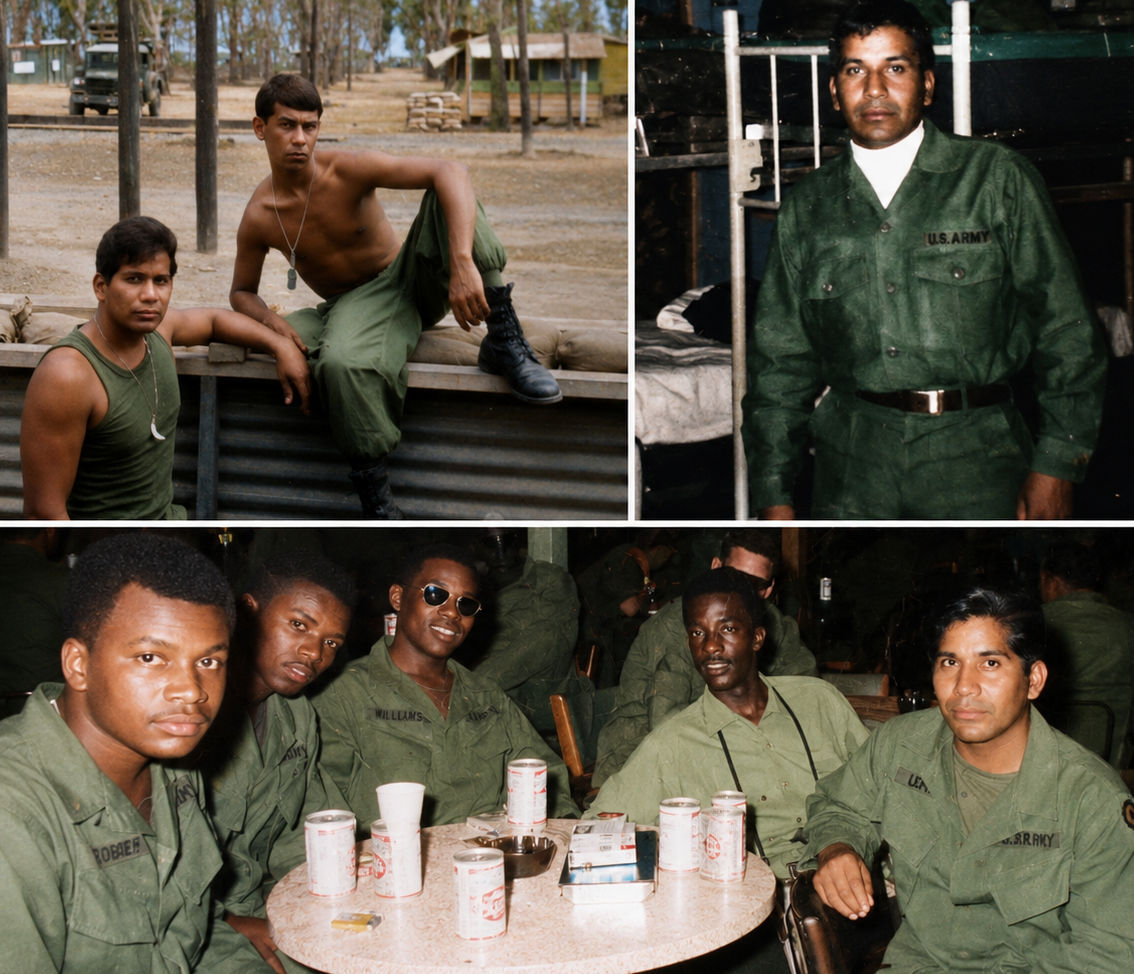
U.S. Army
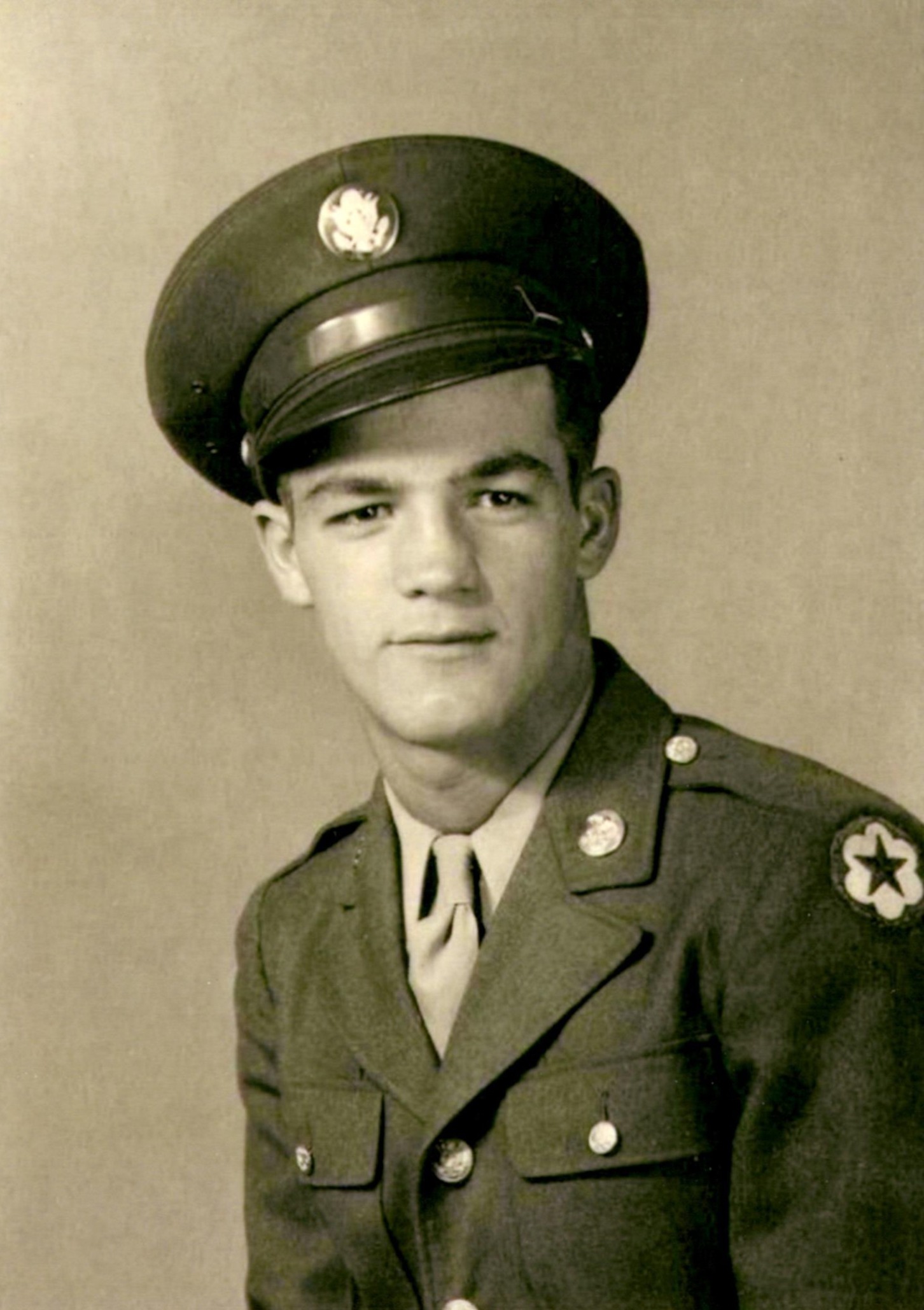
CBI • U.S. Army

3 Infantry Signal • U.S. Army • 1980
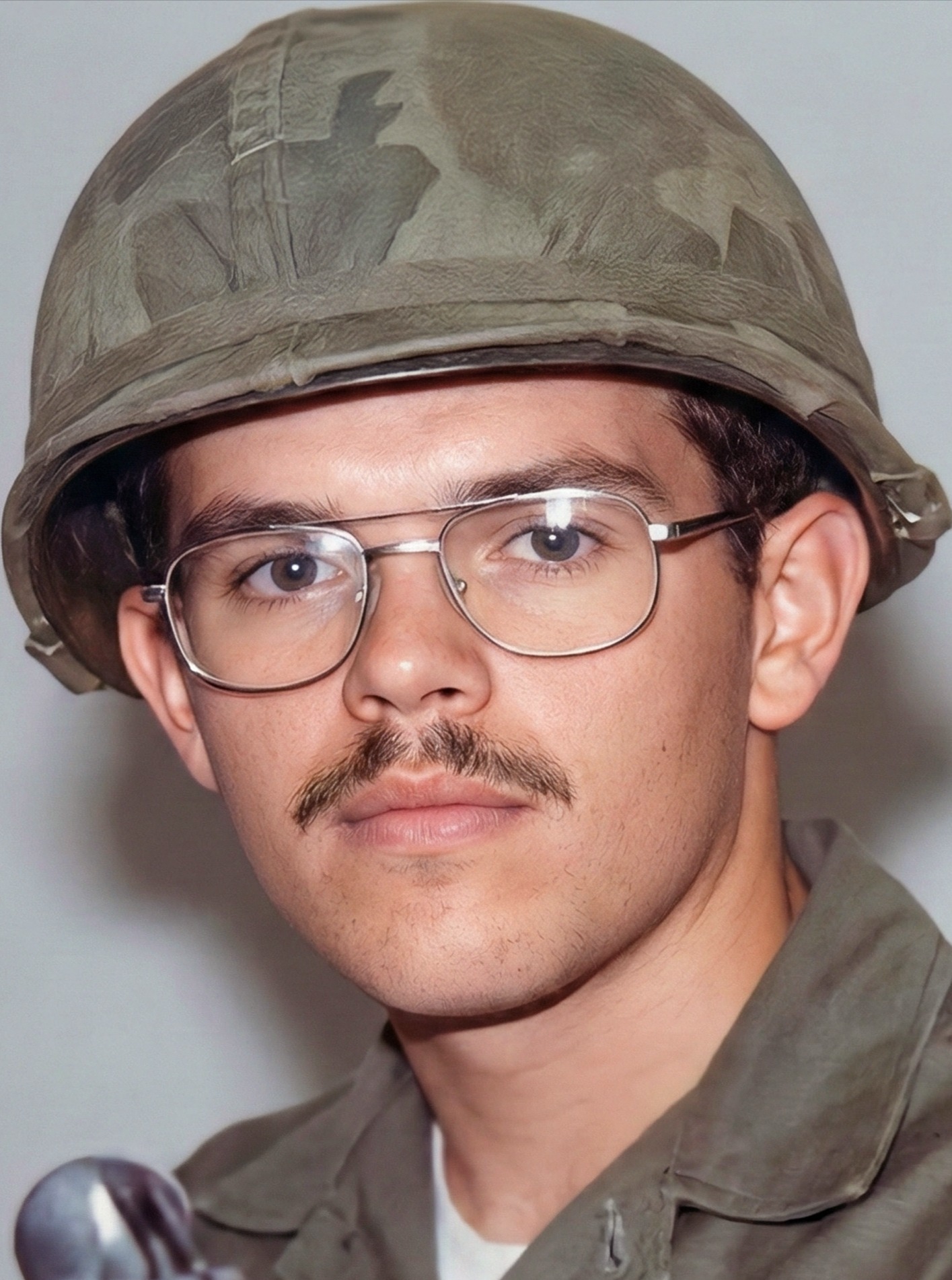
13th Engineer Battalion • U.S. Army • 1975