Over 3,064,780 active members

U.S. Army•1 members
Relive and share the memories of your service-time with your brothers and sisters in arms today. VetFriends.com can help you reconnect.
Did you proudly serve in the Det 1 USA Signal Svc FT Clayton CZ?
Are you looking for someone who is or was in the Det 1 USA Signal Svc FT Clayton CZ?
Do you have Det 1 USA Signal Svc FT Clayton CZ photos you'd like to share?
Then join a community with your brothers and sisters of the Det 1 USA Signal Svc FT Clayton CZ.
Branch
U.S. Army
Members
1
Detachment 1, United States Army Signal Service, Fort Clayton, Canal Zone (Det 1 USA Signal Svc FT Clayton CZ), was a specialized communications unit stationed in the Panama Canal Zone during the Cold War era. Tasked with providing secure and reliable signal and communications support, the detachment played a critical role in maintaining command and control for U.S. Army South and other joint forces in the region. Its operations ensured seamless coordination across the strategically vital Panama Canal, which was essential for American military and logistical interests. The unit’s presence contributed to the broader mission of U.S. defense and stability operations in Central America until the gradual drawdown of U.S. forces and the transfer of the canal to Panamanian control in the late 20th century.
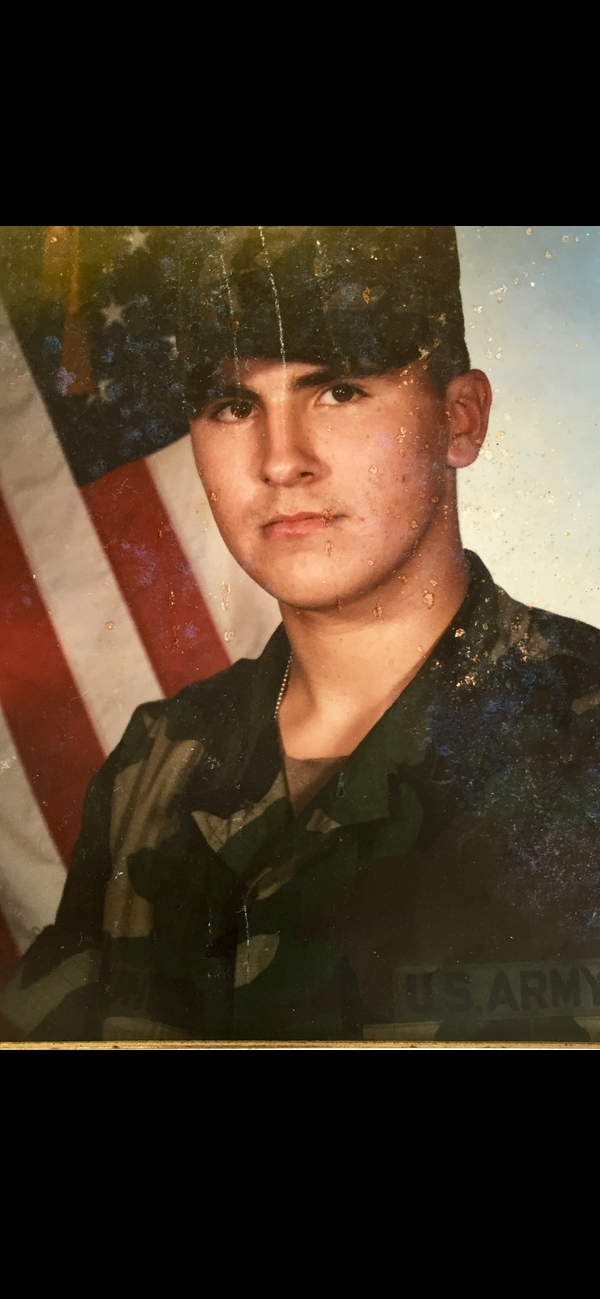
Company C 1st Bn. 38th Inf. Regt. • U.S. Army • 1989

101st airborne division • U.S. Army

U.S. Army
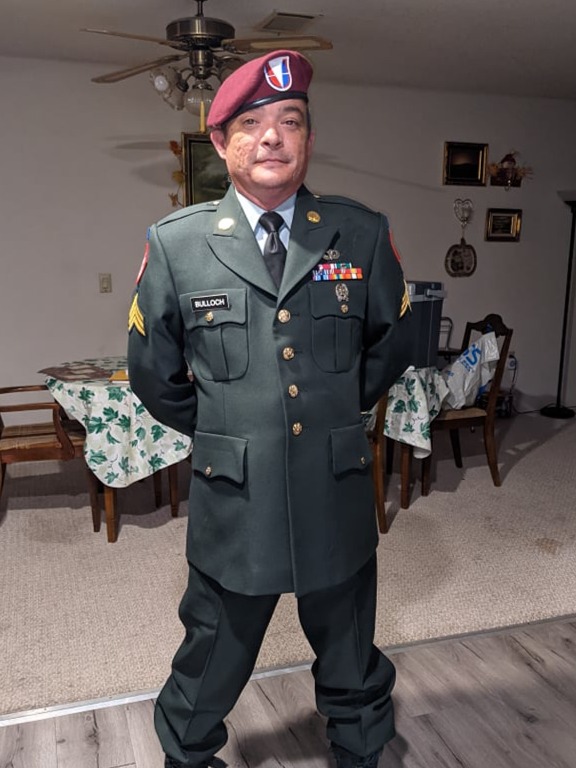
82nd Airborne • U.S. Army • 2018