
Opening branch overview
Building the branch home surface
Loading branch highlights, featured unit context, and gallery moments.
Overview
Members
Units
Building the branch home surface
Loading branch highlights, featured unit context, and gallery moments.
Building the branch units surface
Loading unit filters, rankings, and the branch unit grid.

1 members•1 unit
Relive and share the memories of your service-time with your brothers and sisters in arms today. VetFriends.com can help you reconnect.
Did you proudly serve in the CoD101sCAV11BN(AH)?
Are you looking for someone who is or was in the CoD101sCAV11BN(AH)?
Do you have CoD101sCAV11BN(AH) photos you'd like to share?
Then join a community with your brothers and sisters of the CoD101sCAV11BN(AH).
Branch
U.S. Army
Members
1
**CoD101sCAV11BN(AH)**, officially designated as the 101st Cavalry Regiment, 11th Battalion (Airborne Helicopter), has a storied legacy within U.S. Army aviation. Formed in 1968 during the height of the Vietnam War, the unit was among the first to integrate air cavalry tactics, providing rapid deployment and close air support with attack helicopters. Throughout its service, CoD101sCAV11BN(AH) has participated in major operations such as Desert Storm, Iraqi Freedom, and Enduring Freedom, earning multiple unit citations for valor and innovation. Renowned for its adaptability and combat effectiveness, the battalion continues to serve as a vital component of modern aerial reconnaissance and assault missions.
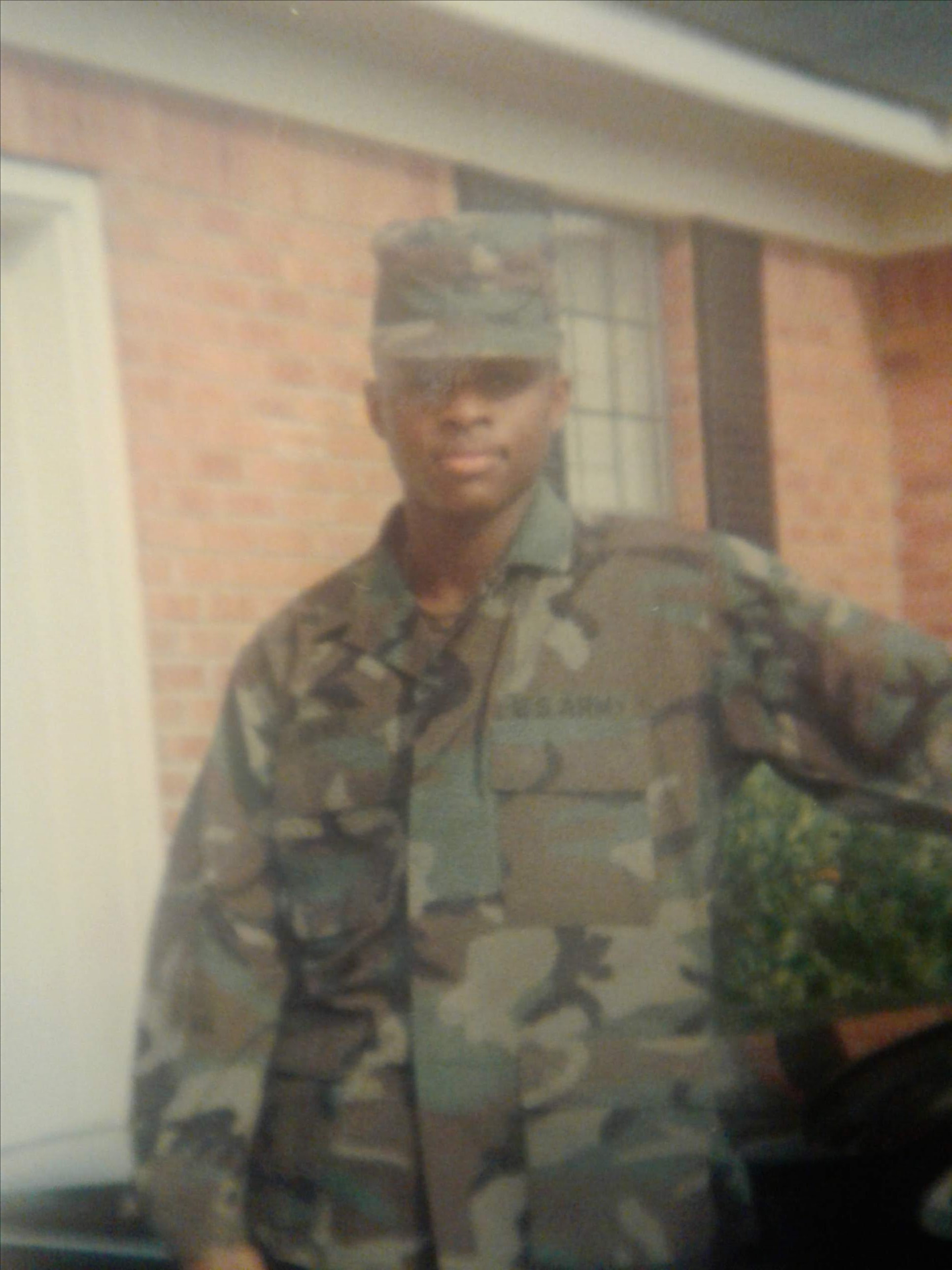
U.S. Army
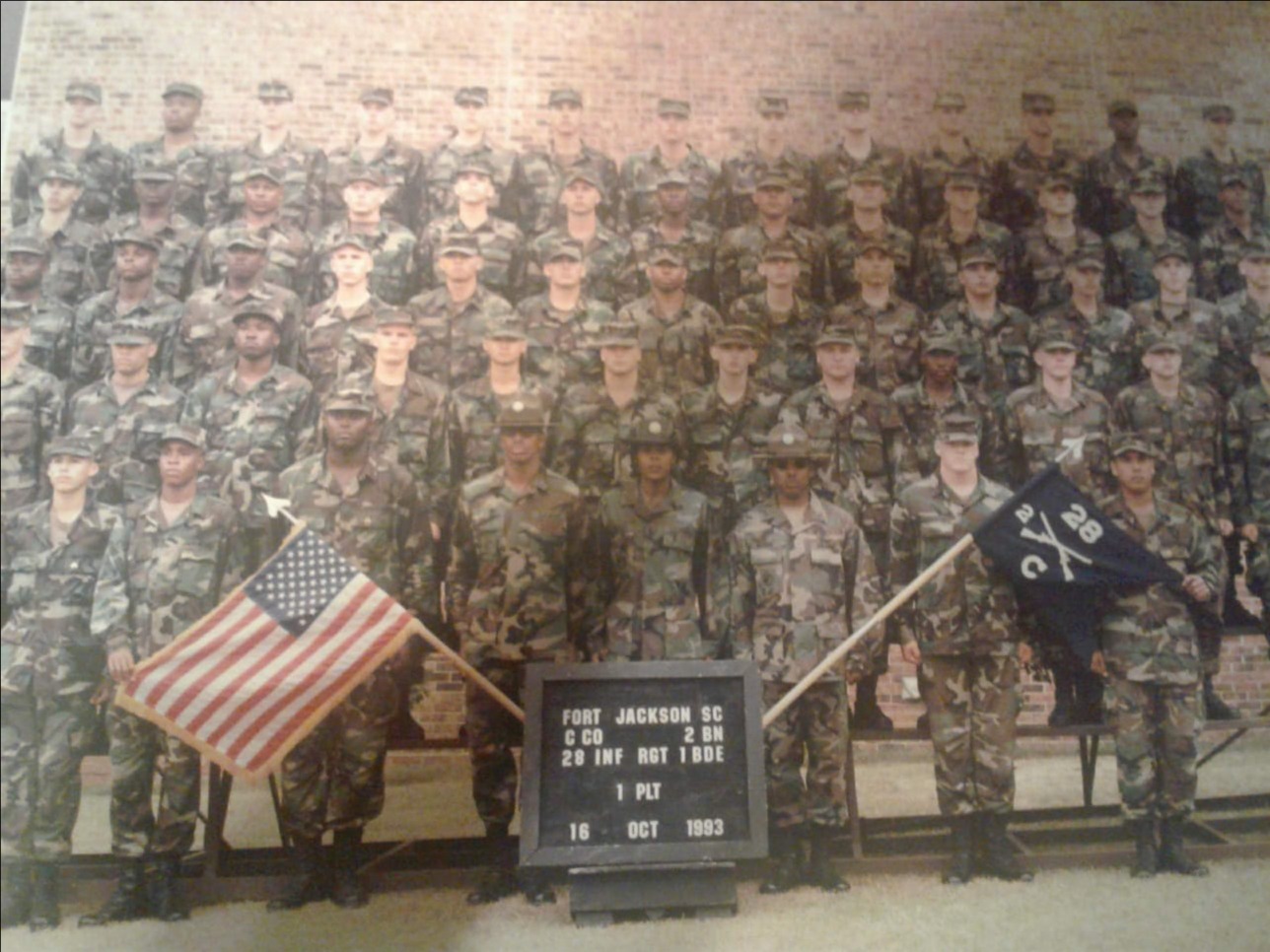
U.S. Army
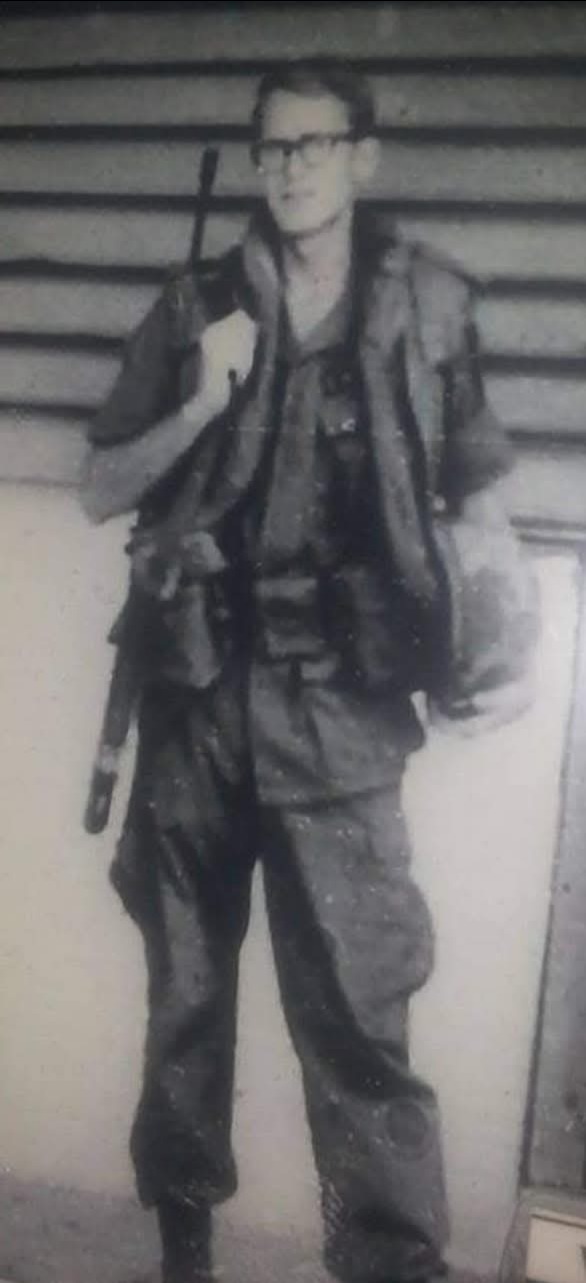
11TH COMBAT AVIATION BATTALION • U.S. Army • 1969
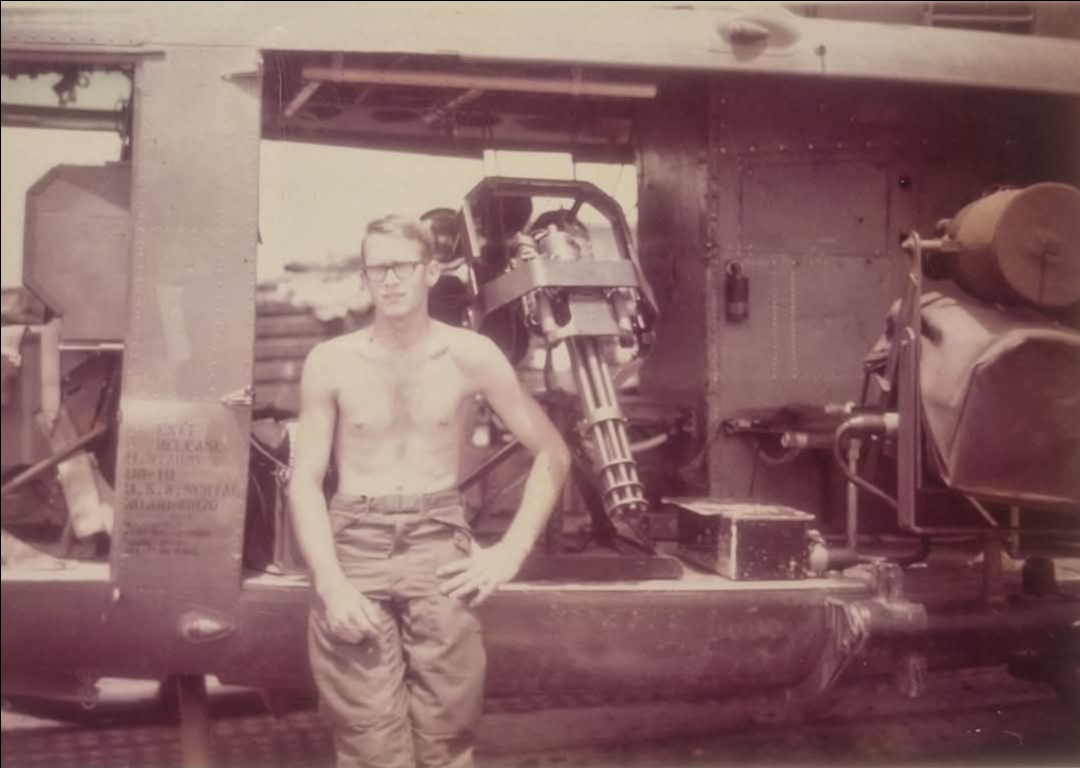
128th Assault Helicopter Co, 1st Av • U.S. Army • 1970