
Opening branch overview
Building the branch home surface
Loading branch highlights, featured unit context, and gallery moments.
Overview
Members
Units
Building the branch home surface
Loading branch highlights, featured unit context, and gallery moments.
Building the branch units surface
Loading unit filters, rankings, and the branch unit grid.

37 members•1 unit
Relive and share the memories of your service-time with your brothers and sisters in arms today. VetFriends.com can help you reconnect.
Did you proudly serve in the Assault & Obstacle plt.?
Are you looking for someone who is or was in the Assault & Obstacle plt.?
Do you have Assault & Obstacle plt. photos you'd like to share?
Then join a community with your brothers and sisters of the Assault & Obstacle plt..
Branch
U.S. Army
Members
37
The Assault & Obstacle Platoon was established in 2006 as a specialized unit within the brigade engineer battalion, tasked with breaching enemy defenses and clearing obstacles for advancing forces. Drawing on expertise in demolitions, mobility, and close-quarters combat, the platoon played a pivotal role during Operation Iron Shield, successfully conducting rapid breach operations under fire. Over the years, the unit has integrated advanced robotics and explosive technologies, enhancing its capability to neutralize improvised explosive devices and fortified positions. Renowned for its adaptability and courage, the Assault & Obstacle Platoon remains a vital asset in combined arms operations, ensuring freedom of maneuver for friendly forces.
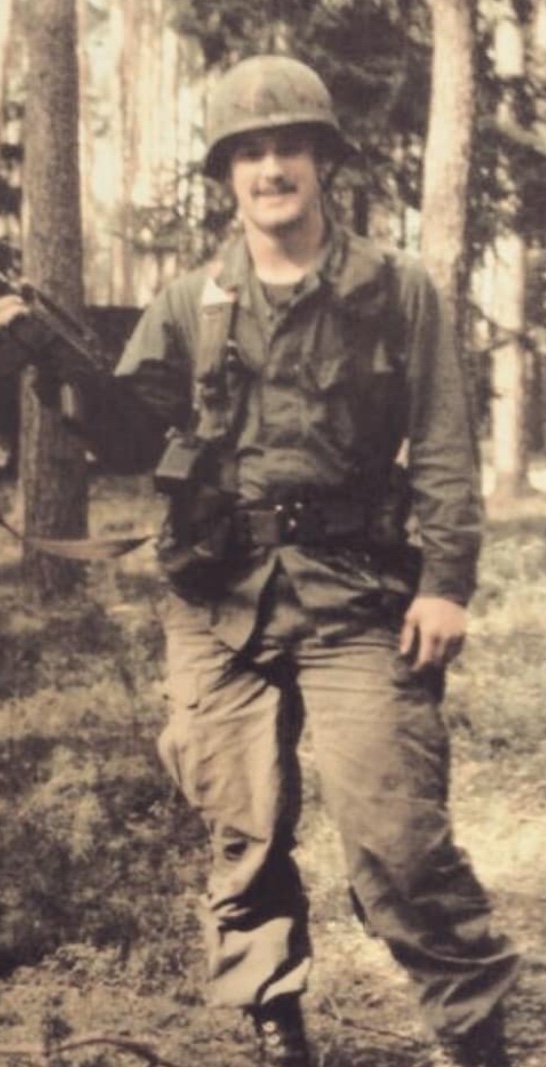
3rd Squadron 7th Calvary 3rd Infantry Division • U.S. Army • 1980

Field artillery • U.S. Army
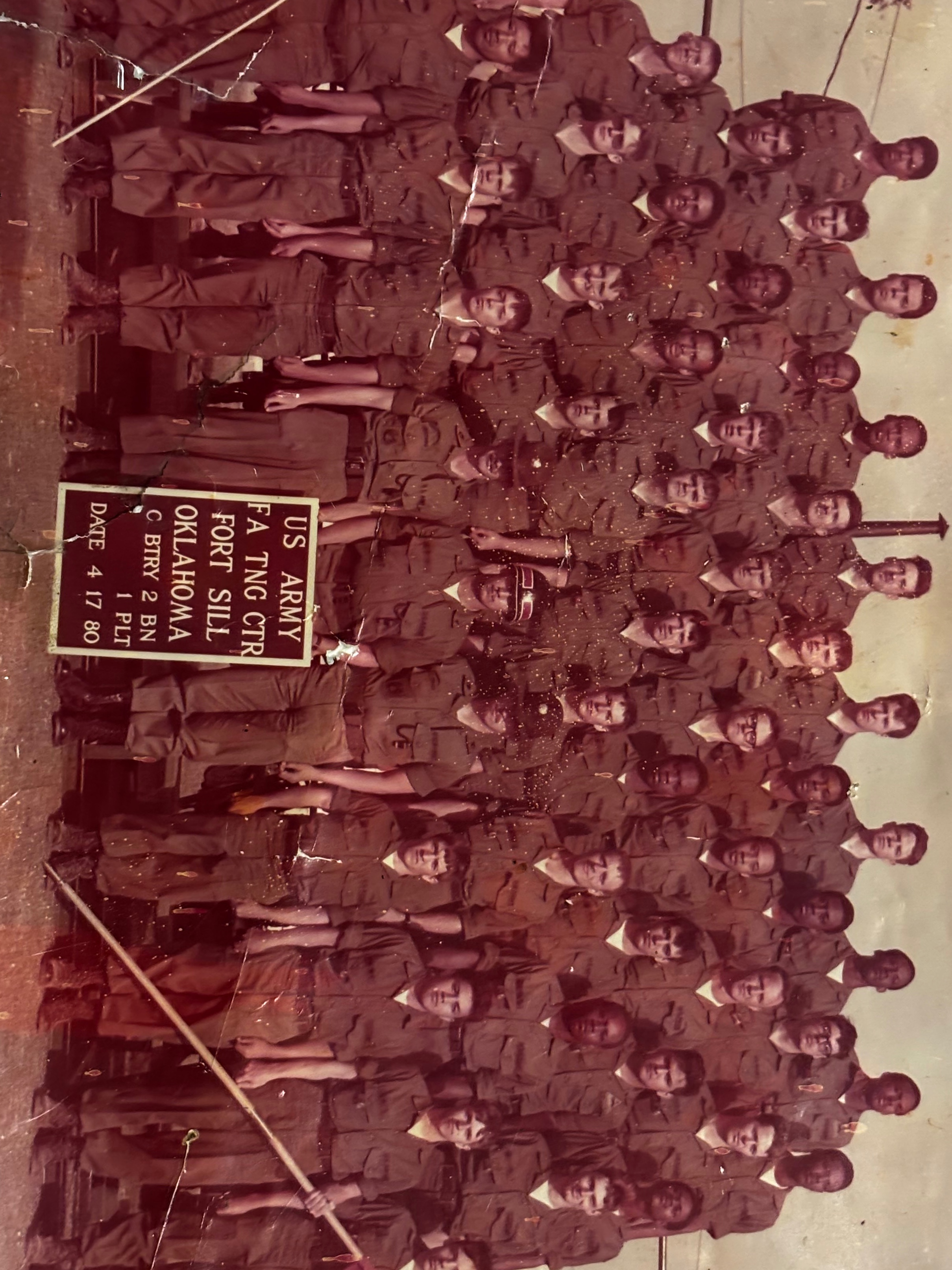
U.S. Army • 1980
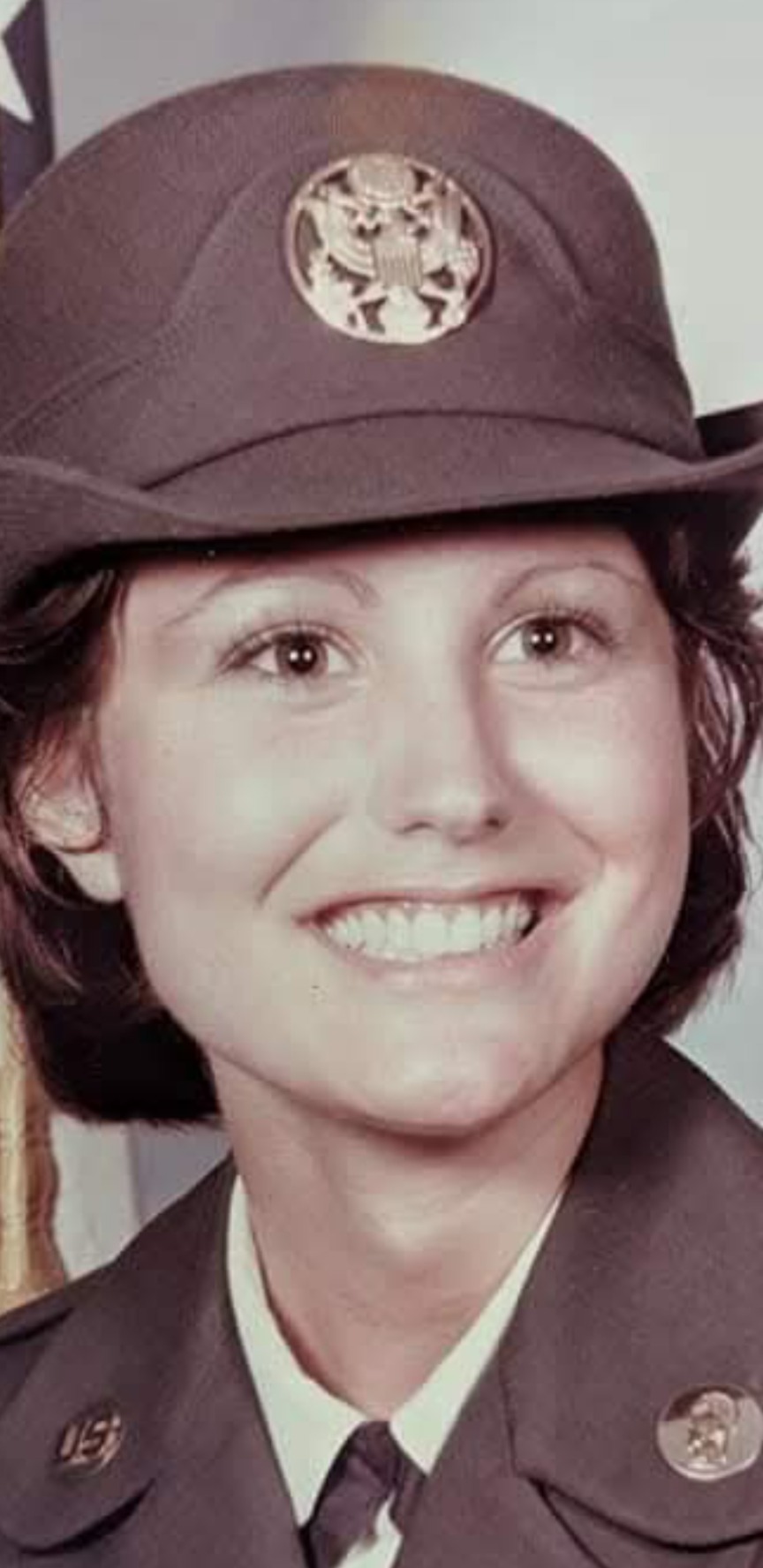
U.S. Army • 1977