
Opening branch overview
Building the branch home surface
Loading branch highlights, featured unit context, and gallery moments.
Overview
Members
Units
Building the branch home surface
Loading branch highlights, featured unit context, and gallery moments.
Building the branch units surface
Loading unit filters, rankings, and the branch unit grid.

1 members•1 unit
Relive and share the memories of your service-time with your brothers and sisters in arms today. VetFriends.com can help you reconnect.
Did you proudly serve in the AIDSCOM?
Are you looking for someone who is or was in the AIDSCOM?
Do you have AIDSCOM photos you'd like to share?
Then join a community with your brothers and sisters of the AIDSCOM.
Branch
U.S. Army
Members
1
AIDSCOM was a specialized U.S. military task force established in the late 1980s to address the growing impact of HIV/AIDS among service members. Comprised of medical officers, public health experts, and logistics personnel, the unit focused on prevention, education, and care programs across all branches of the armed forces. AIDSCOM played a vital role in developing early HIV screening protocols and implementing confidential counseling services. Its efforts helped reduce stigma within the military and set the foundation for modern infectious disease management in the armed services.

U.S. Army
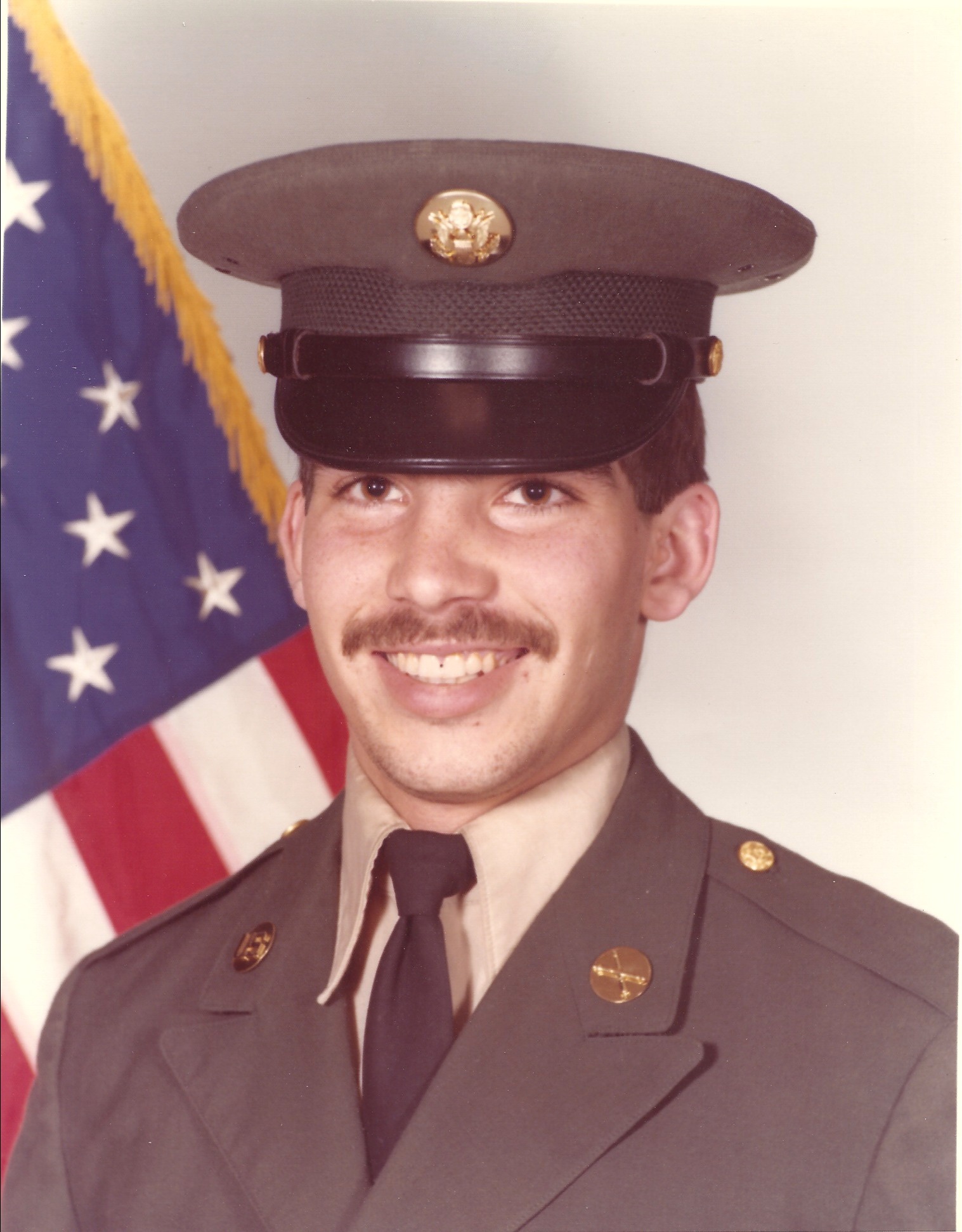
ARTILLERY • U.S. Army
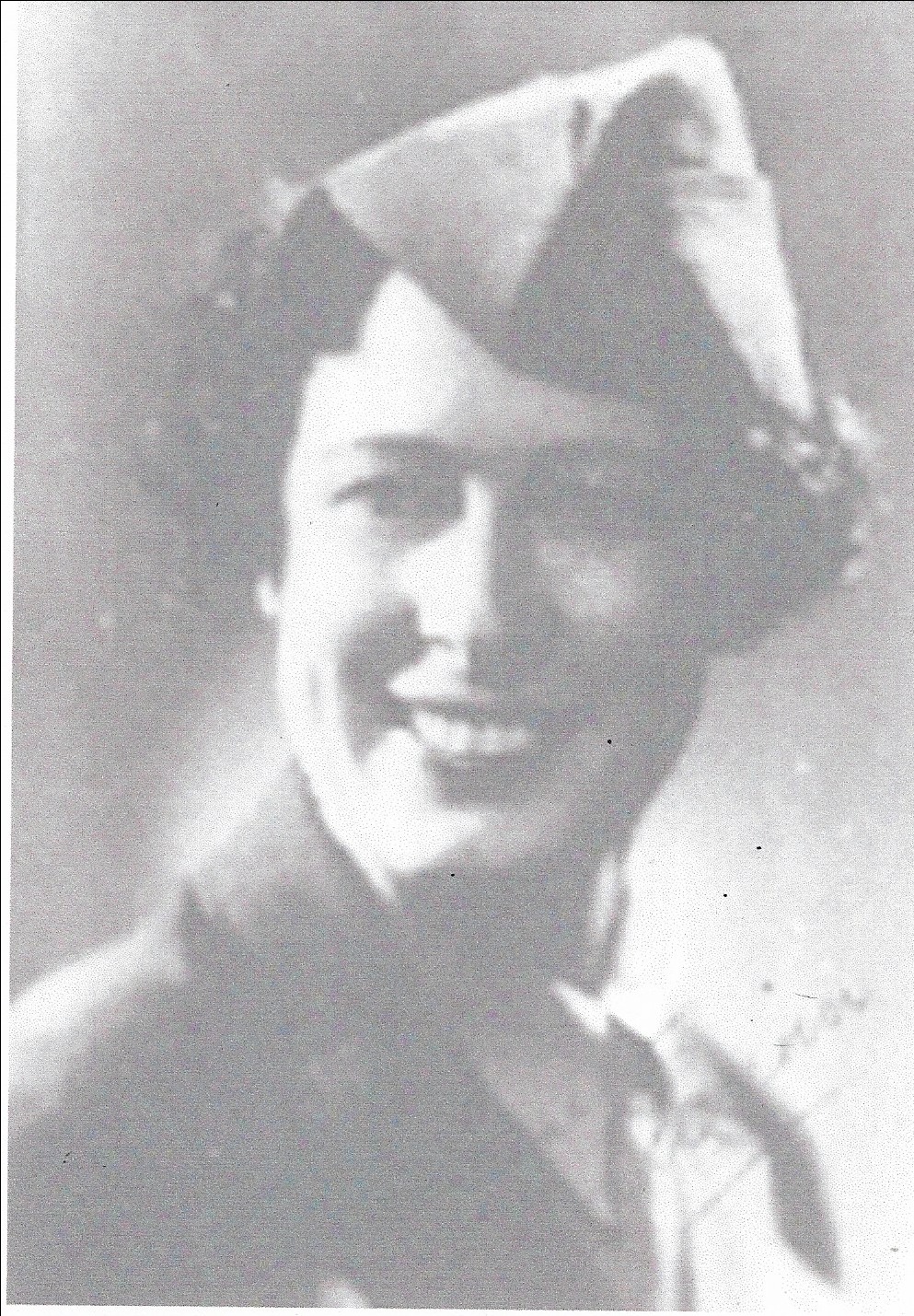
U.S. Army
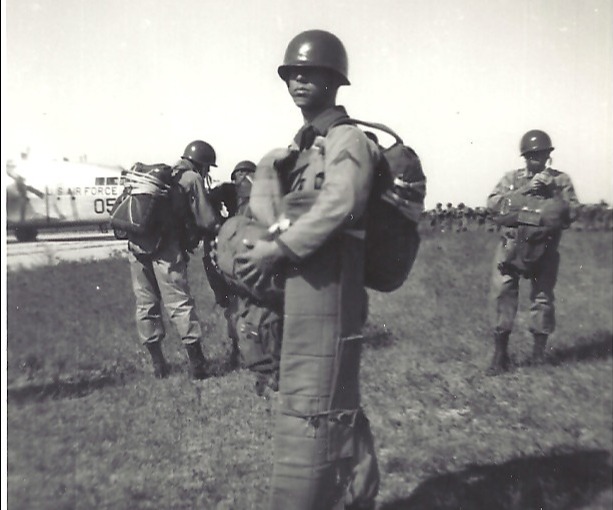
82nd Airborne • U.S. Army • 1954