
Opening branch overview
Building the branch home surface
Loading branch highlights, featured unit context, and gallery moments.
Overview
Members
Units
Building the branch home surface
Loading branch highlights, featured unit context, and gallery moments.
Building the branch units surface
Loading unit filters, rankings, and the branch unit grid.

3 members•1 unit
Relive and share the memories of your service-time with your brothers and sisters in arms today. VetFriends.com can help you reconnect.
Did you proudly serve in the 97 inf div?
Are you looking for someone who is or was in the 97 inf div?
Do you have 97 inf div photos you'd like to share?
Then join a community with your brothers and sisters of the 97 inf div.
Branch
U.S. Army
Members
3
The 97th Infantry Division, known as the "Trident Division," was activated in February 1918 during World War I but did not see combat before the Armistice. Reactivated in February 1943 for World War II, the division deployed to Europe in 1945, participating in the final offensives in Germany, including the capture of the city of Cheb. After the German surrender, the 97th was sent to Japan for occupation duties, becoming the first U.S. Army unit to enter the country following the Japanese surrender. The division was inactivated in March 1946.

9th Engineer Batallion • U.S. Army
U.S. Army

278 Signal Corp • U.S. Army
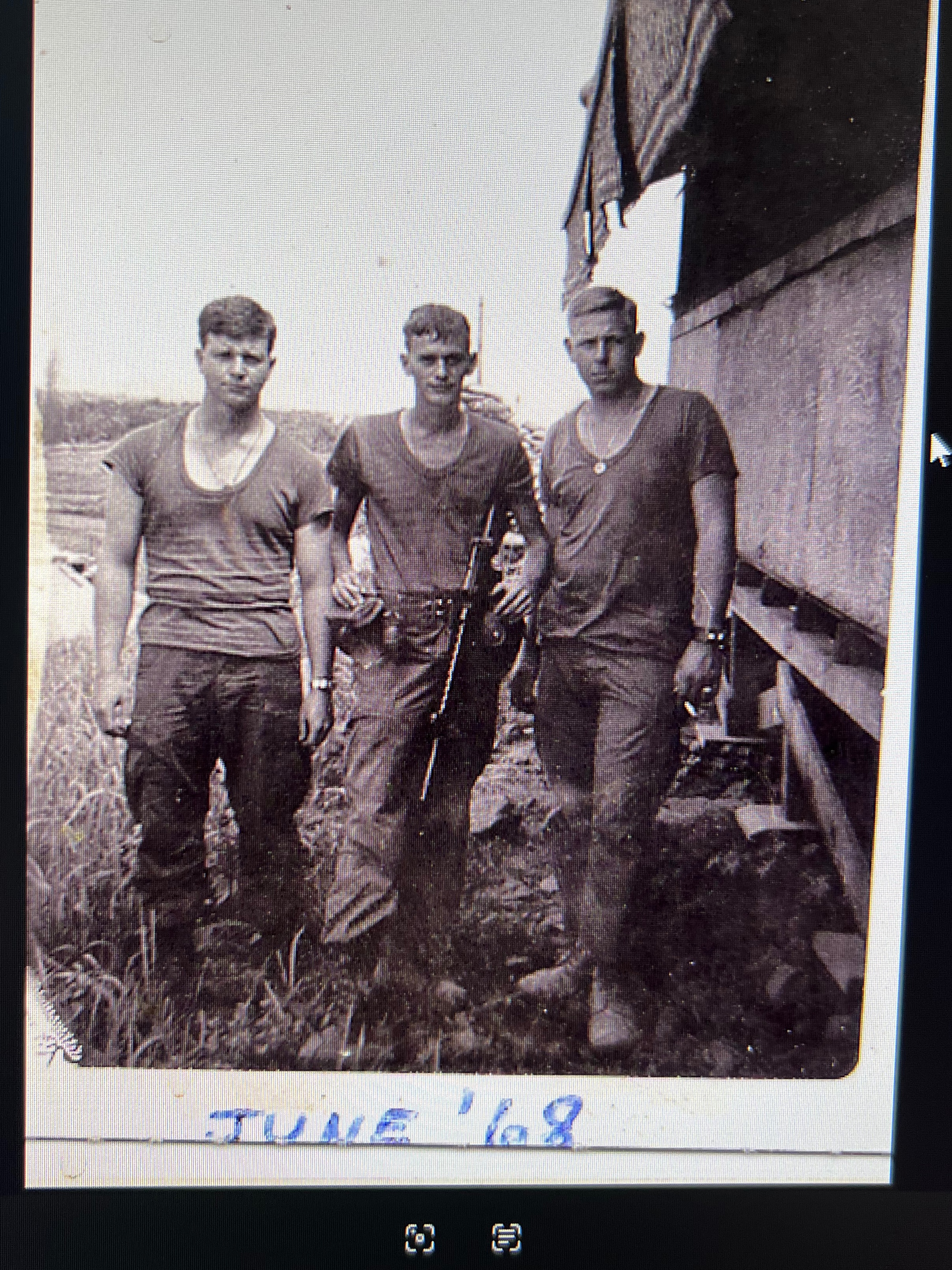
11th light infantry • U.S. Army • 1968