
Opening branch overview
Building the branch home surface
Loading branch highlights, featured unit context, and gallery moments.
Overview
Members
Units
Building the branch home surface
Loading branch highlights, featured unit context, and gallery moments.
Building the branch units surface
Loading unit filters, rankings, and the branch unit grid.

1 members•1 unit
Relive and share the memories of your service-time with your brothers and sisters in arms today. VetFriends.com can help you reconnect.
Did you proudly serve in the 8452nd Headquarters field command?
Are you looking for someone who is or was in the 8452nd Headquarters field command?
Do you have 8452nd Headquarters field command photos you'd like to share?
Then join a community with your brothers and sisters of the 8452nd Headquarters field command.
Branch
U.S. Army
Members
1
The 8452nd Headquarters Field Command was a United States Air Force unit established during the early years of the Cold War. Activated in the 1950s, it played a crucial role in overseeing administrative and operational support for field activities related to nuclear weapons development and testing, particularly in coordination with the Atomic Energy Commission. Stationed primarily at Sandia Base, New Mexico, the 8452nd coordinated security, logistics, and technical support for sensitive projects. The unit contributed significantly to the readiness and effectiveness of America’s nuclear deterrent before its eventual inactivation as part of broader organizational changes within the Air Force and Department of Defense.

364 supply and service company • U.S. Army • 2026
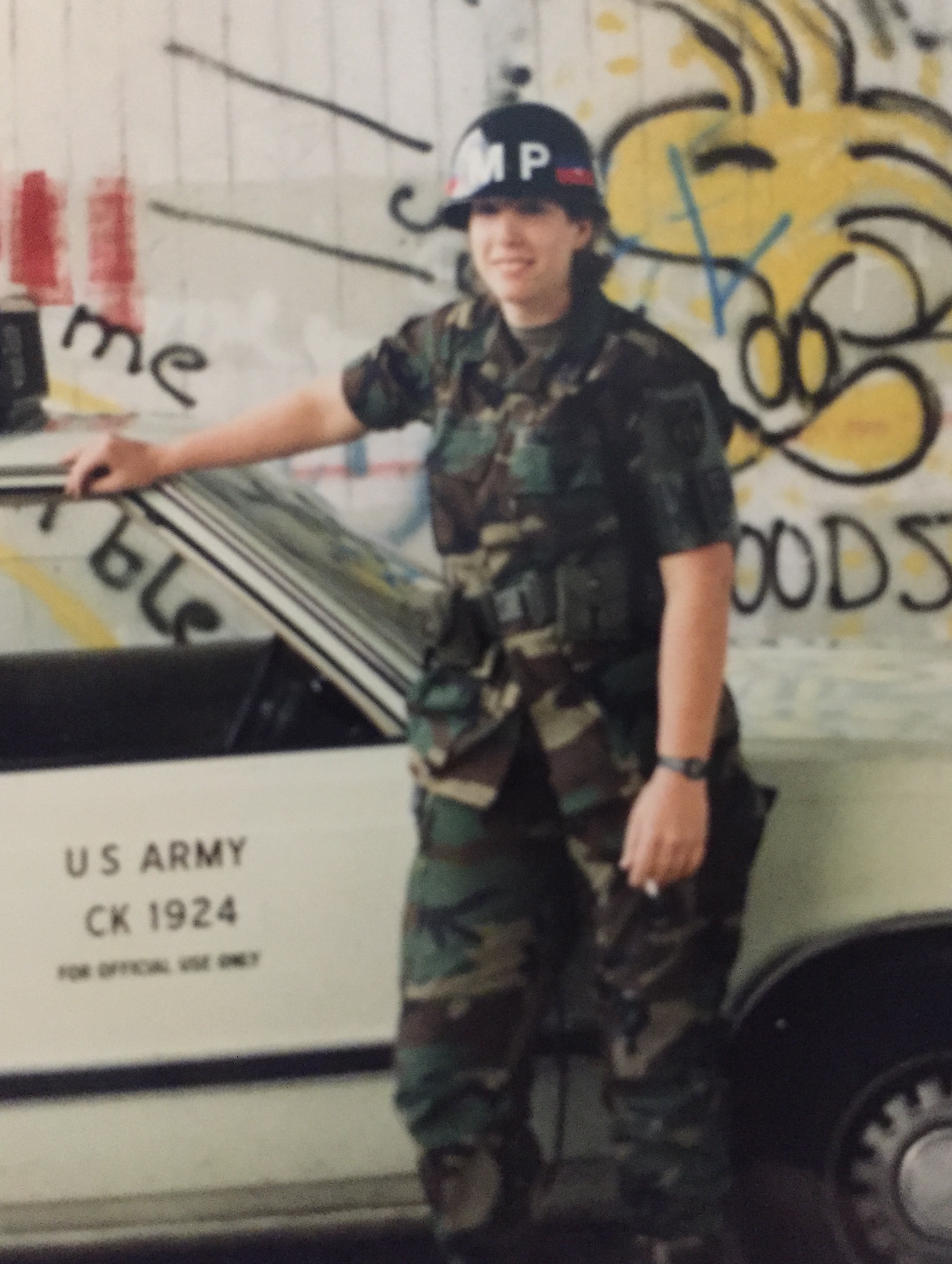
61st MP Co • U.S. Army • 1988
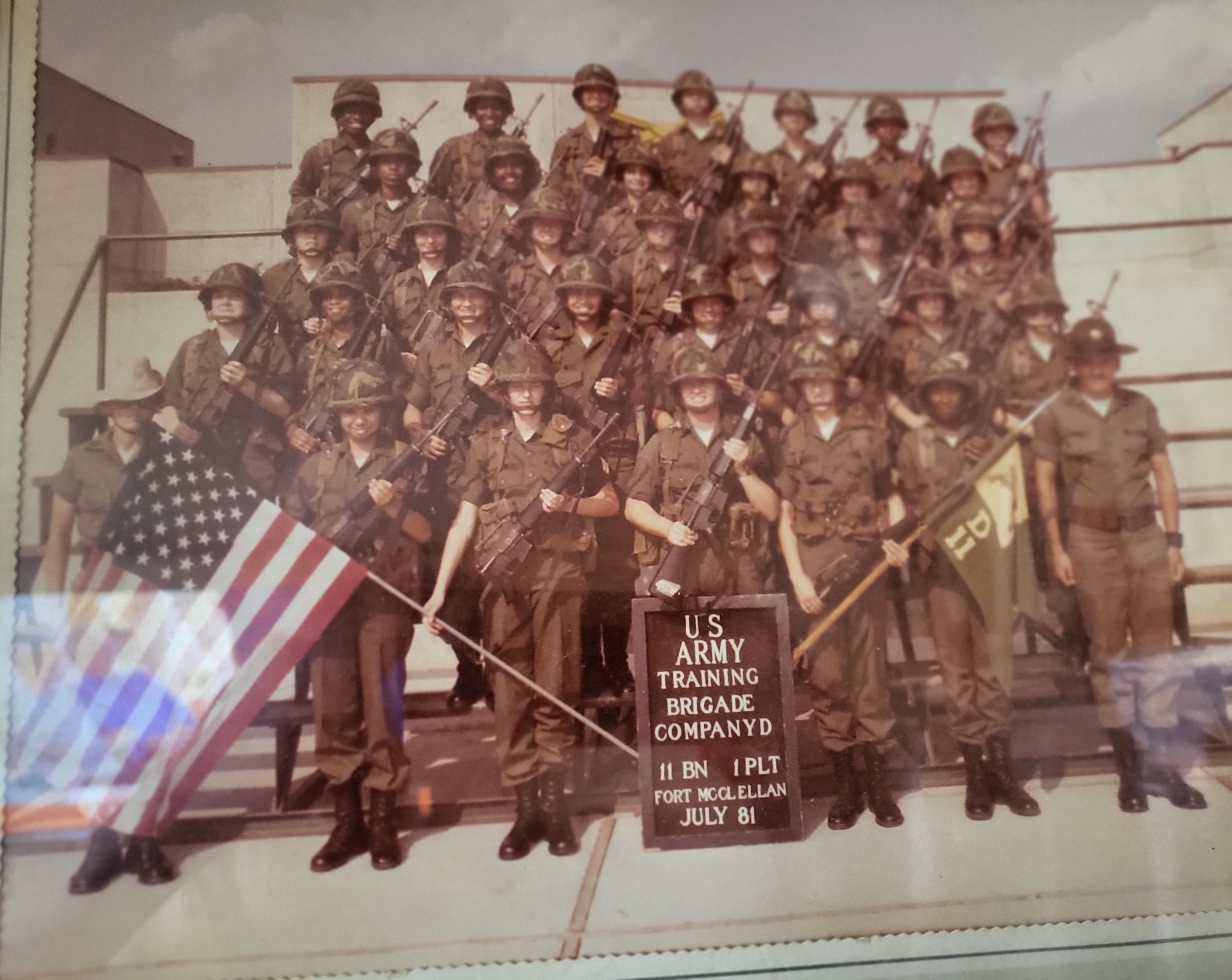
U.S. Army
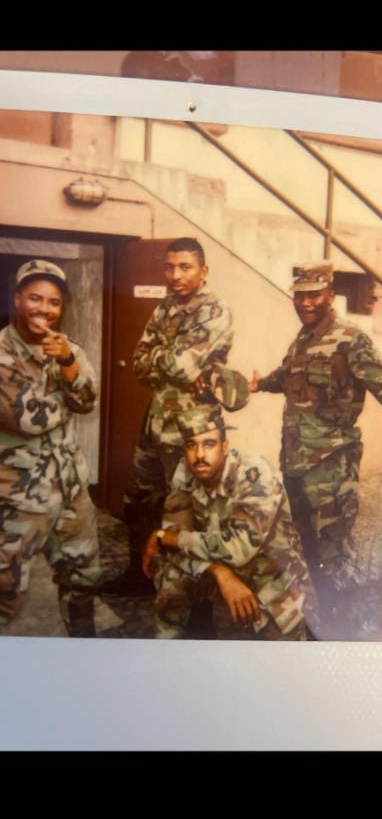
9th Engineer Batallion • U.S. Army