
Opening branch overview
Building the branch home surface
Loading branch highlights, featured unit context, and gallery moments.
Overview
Members
Units
Building the branch home surface
Loading branch highlights, featured unit context, and gallery moments.
Building the branch units surface
Loading unit filters, rankings, and the branch unit grid.

8 members•1 unit
Relive and share the memories of your service-time with your brothers and sisters in arms today. VetFriends.com can help you reconnect.
Did you proudly serve in the 7th Signal Brigade Aviation?
Are you looking for someone who is or was in the 7th Signal Brigade Aviation?
Do you have 7th Signal Brigade Aviation photos you'd like to share?
Then join a community with your brothers and sisters of the 7th Signal Brigade Aviation.
Branch
U.S. Army
Members
8
The 7th Signal Brigade Aviation was a specialized unit under the 7th Signal Brigade, United States Army Europe, primarily tasked with providing tactical and strategic communications support to aviation elements. Activated during the Cold War, the unit ensured robust signal operations for Army aviation units, enabling command and control across dispersed and mobile formations. Throughout its service, the brigade participated in numerous exercises and deployments, enhancing the interoperability and responsiveness of U.S. Army aviation forces in Europe. Its legacy is marked by adaptability and technological innovation in military communications, supporting both peacetime operations and contingency missions.
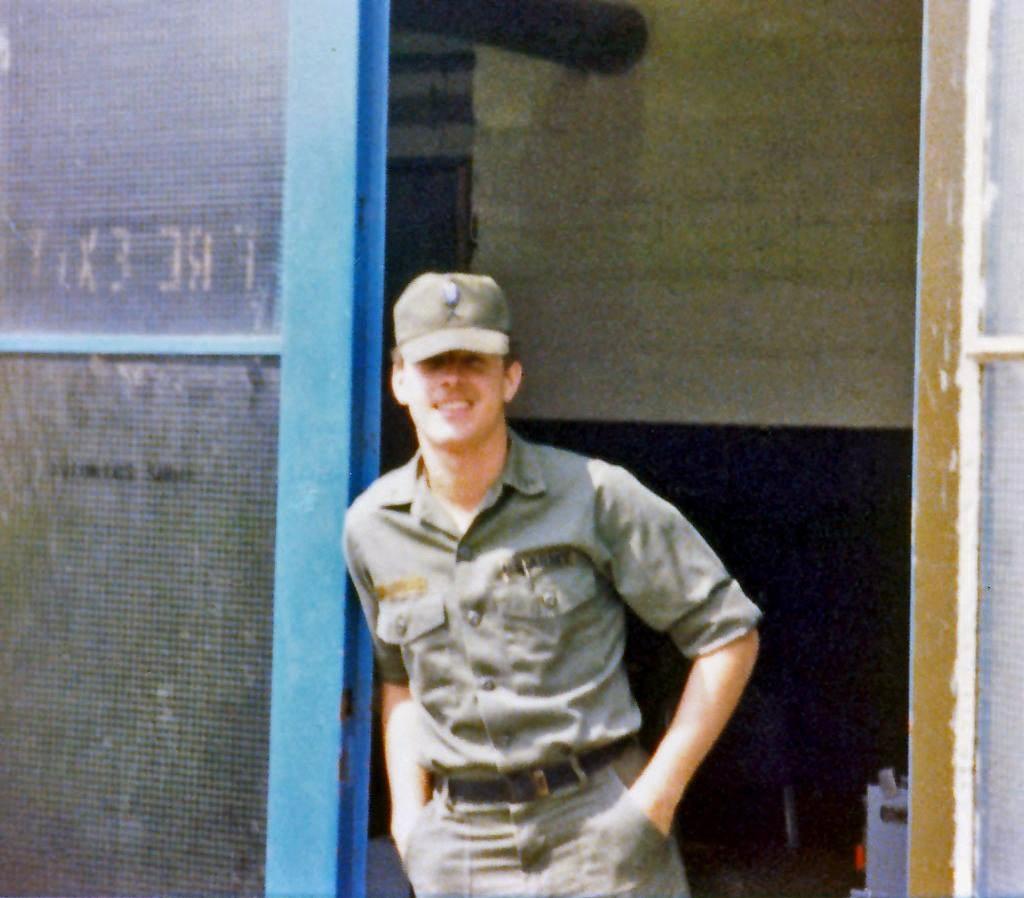
U.S. Army
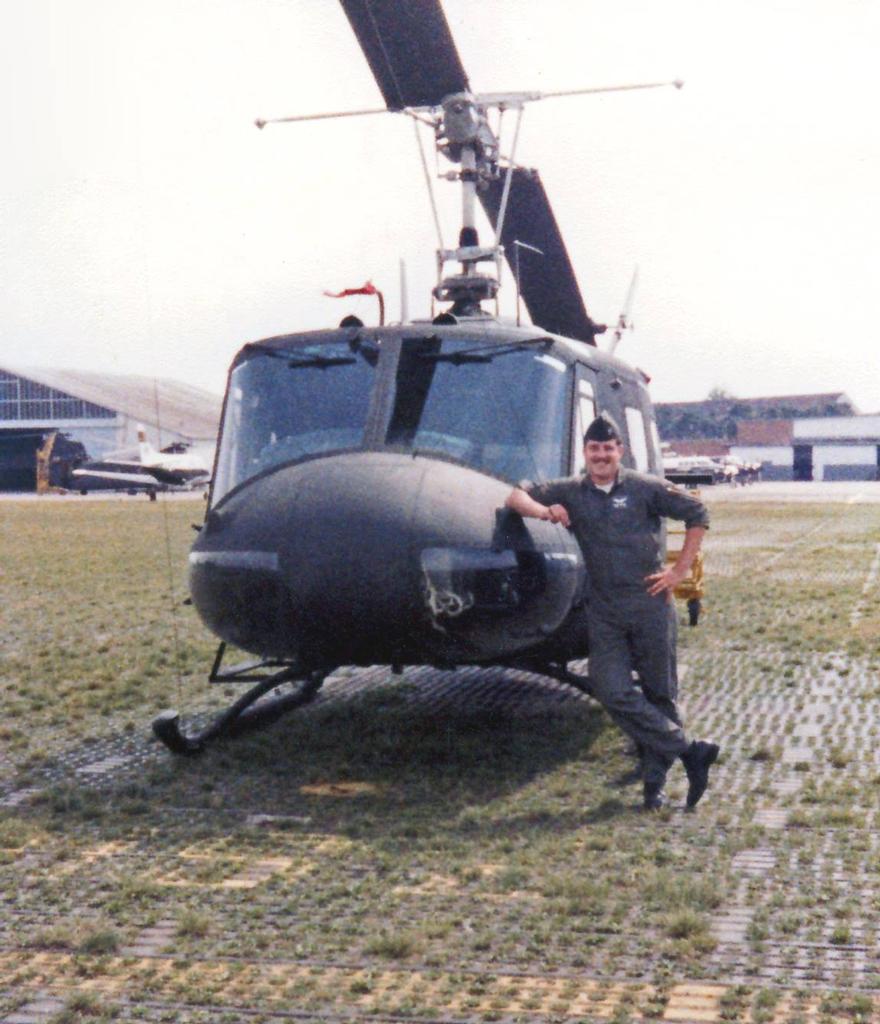
U.S. Army
HHC 7th Signal Brigade • U.S. Army • 1977
HHC 7th Signal Brigade • U.S. Army • 1977