
Opening branch overview
Building the branch home surface
Loading branch highlights, featured unit context, and gallery moments.
Overview
Members
Units
Building the branch home surface
Loading branch highlights, featured unit context, and gallery moments.
Building the branch units surface
Loading unit filters, rankings, and the branch unit grid.

1 members•1 unit
Relive and share the memories of your service-time with your brothers and sisters in arms today. VetFriends.com can help you reconnect.
Did you proudly serve in the 759th Tank Bn?
Are you looking for someone who is or was in the 759th Tank Bn?
Do you have 759th Tank Bn photos you'd like to share?
Then join a community with your brothers and sisters of the 759th Tank Bn.
Branch
U.S. Army
Members
1
The 759th Tank Battalion was activated in June 1941 at Fort Knox, Kentucky, as an independent tank battalion of the United States Army. Initially equipped with light tanks, the unit deployed to the European Theater during World War II and landed in France shortly after D-Day. The 759th provided vital armored support to infantry divisions through France, Belgium, and Germany, participating in major campaigns including the Battle of the Bulge. The battalion earned distinction for its effectiveness in combined arms operations and was later redesignated as the 4th Battalion, 68th Armor Regiment.
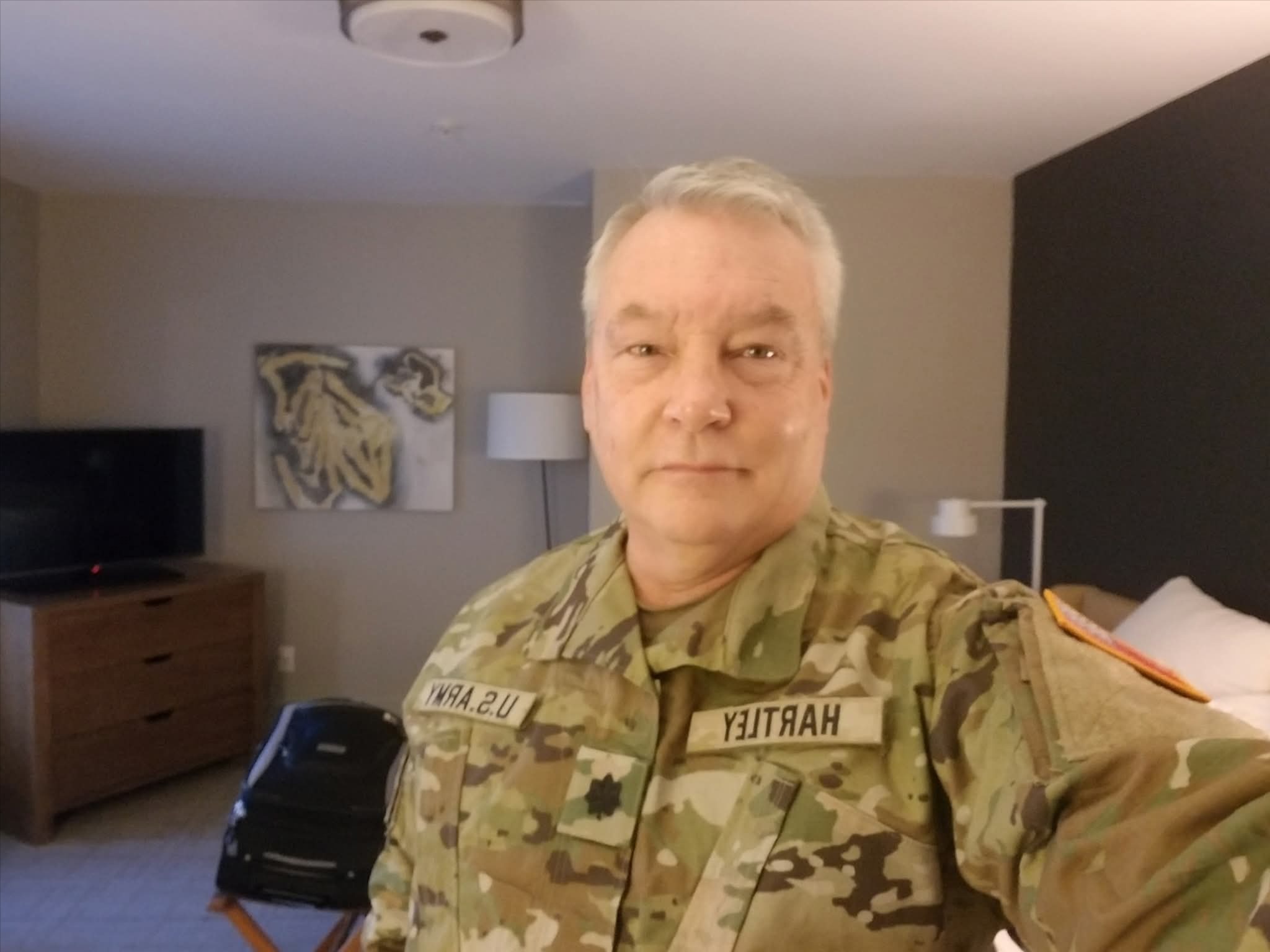
Dwight David Eisenhower Army Medical Center • U.S. Army • 2021
U.S. Army

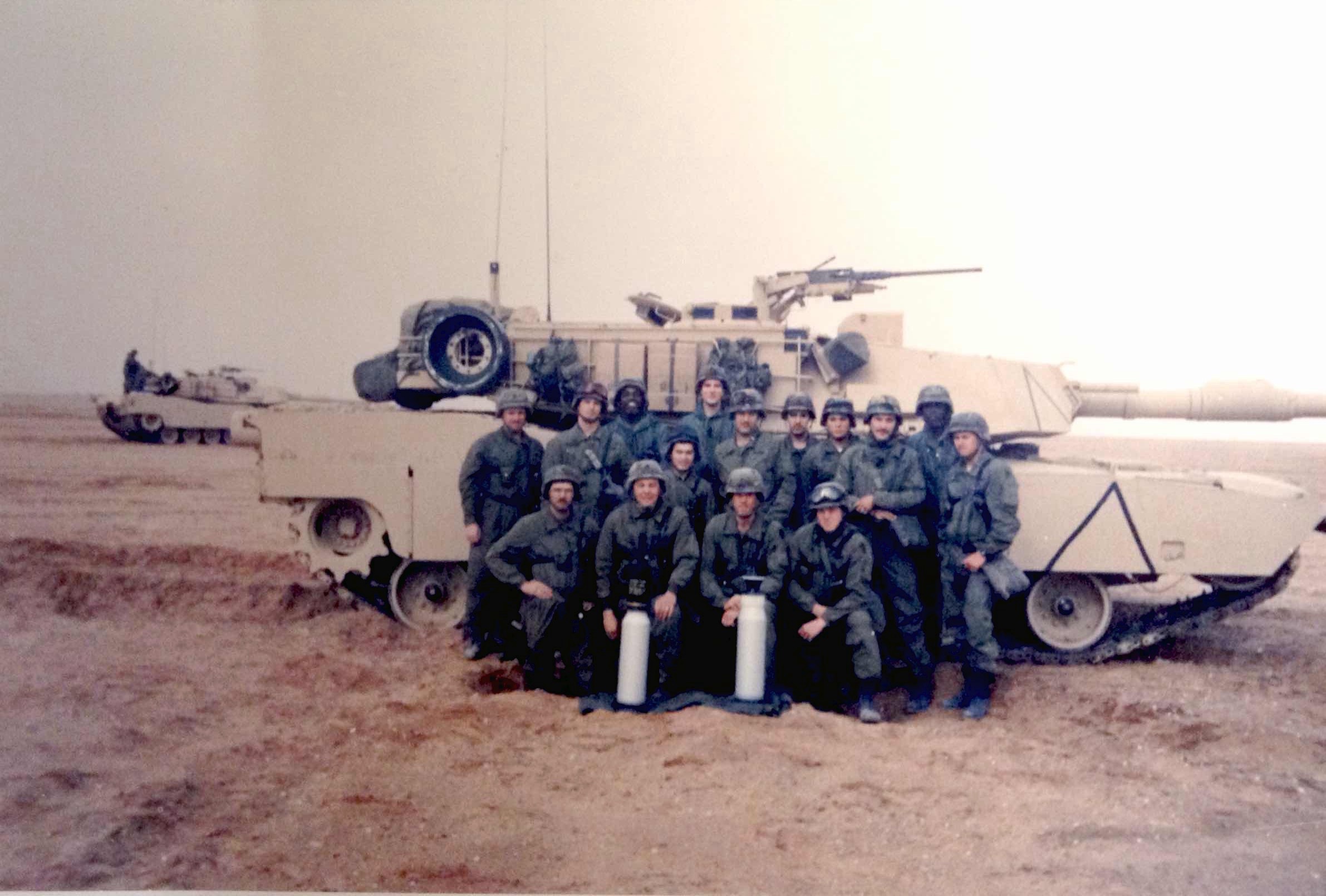
MEDICAL • U.S. Army • 1991

U.S. Army