Opening branch overview
Building the branch home surface
Loading branch highlights, featured unit context, and gallery moments.
Overview
Members
Units
Building the branch home surface
Loading branch highlights, featured unit context, and gallery moments.
Building the branch units surface
Loading unit filters, rankings, and the branch unit grid.

11 members•1 unit
Relive and share the memories of your service-time with your brothers and sisters in arms today. VetFriends.com can help you reconnect.
Did you proudly serve in the 6TH ARMORED DIVISION?
Are you looking for someone who is or was in the 6TH ARMORED DIVISION?
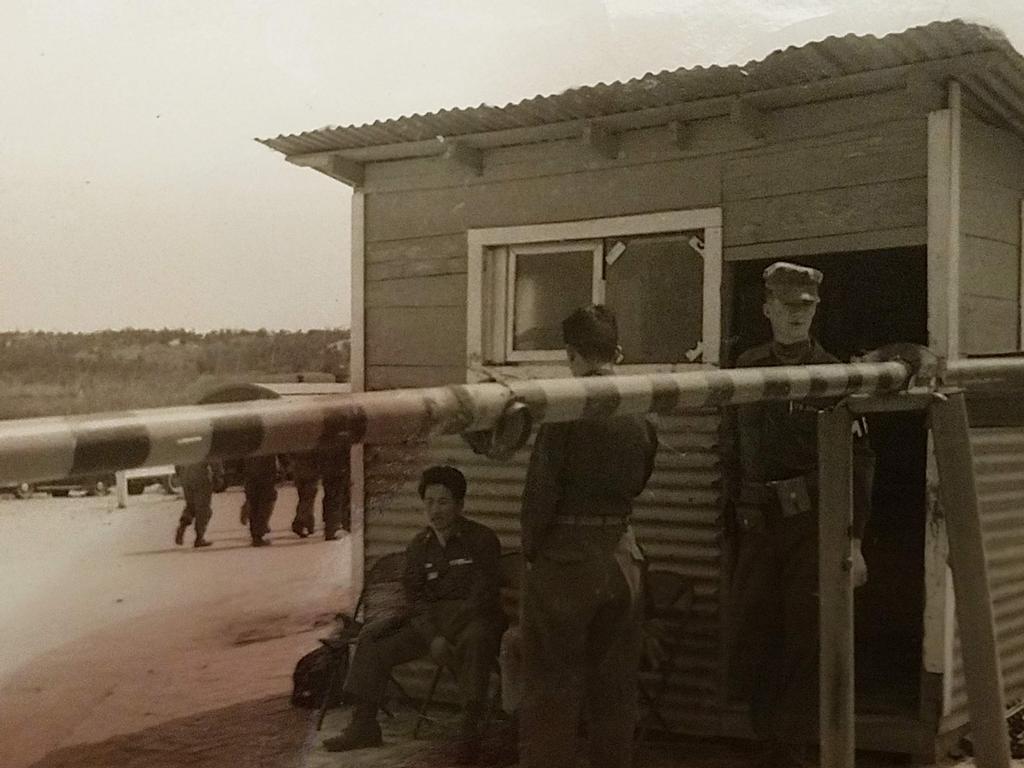
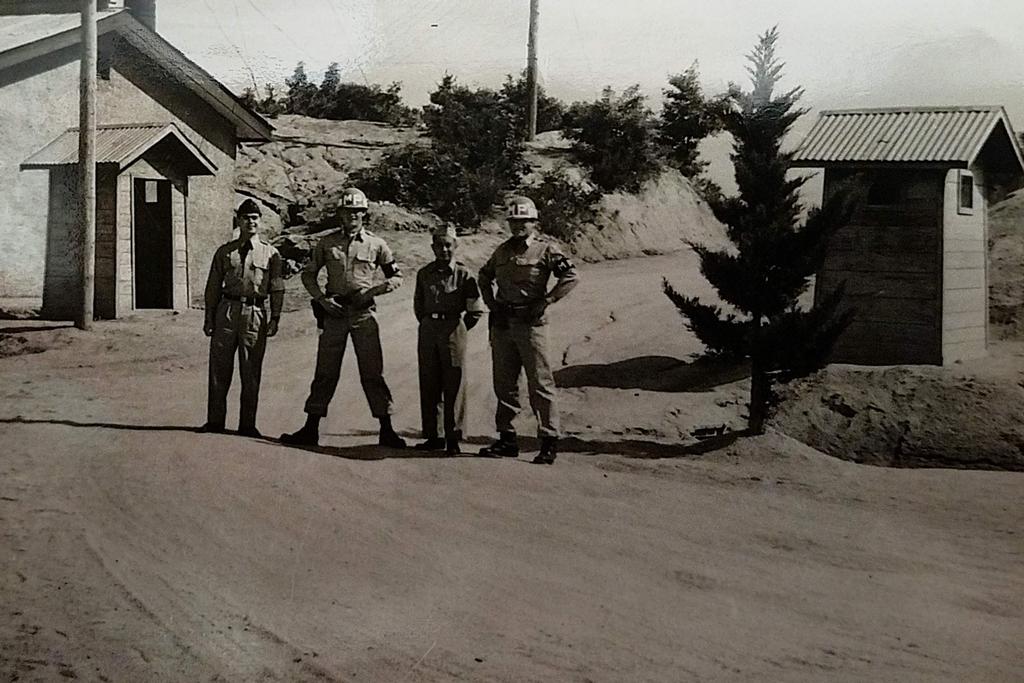
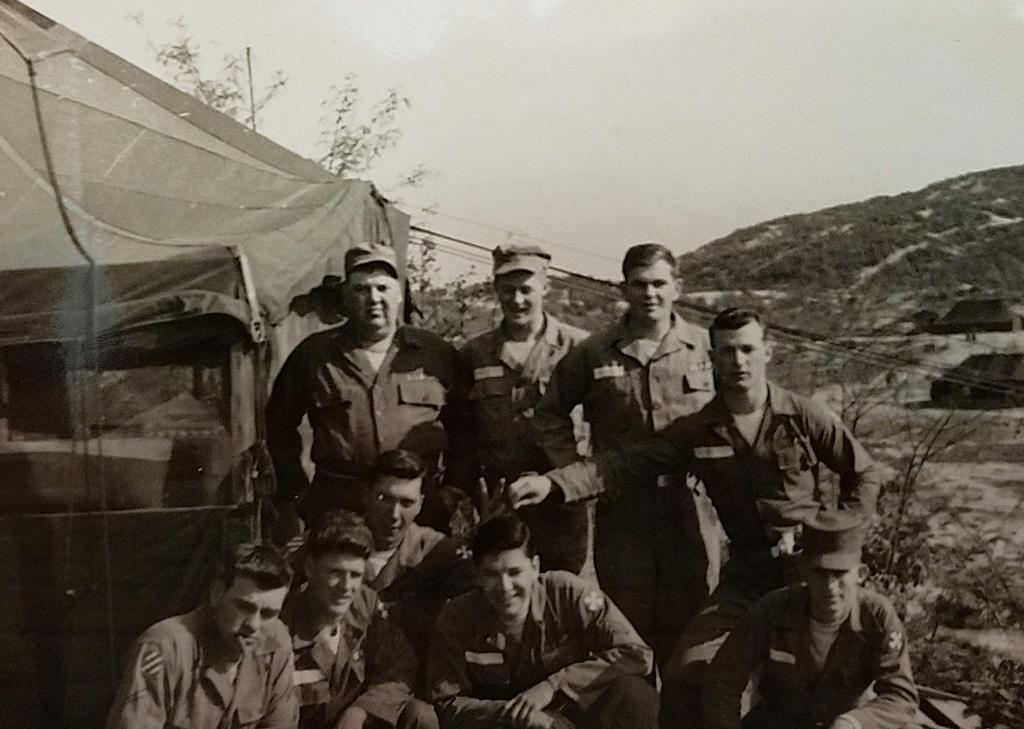
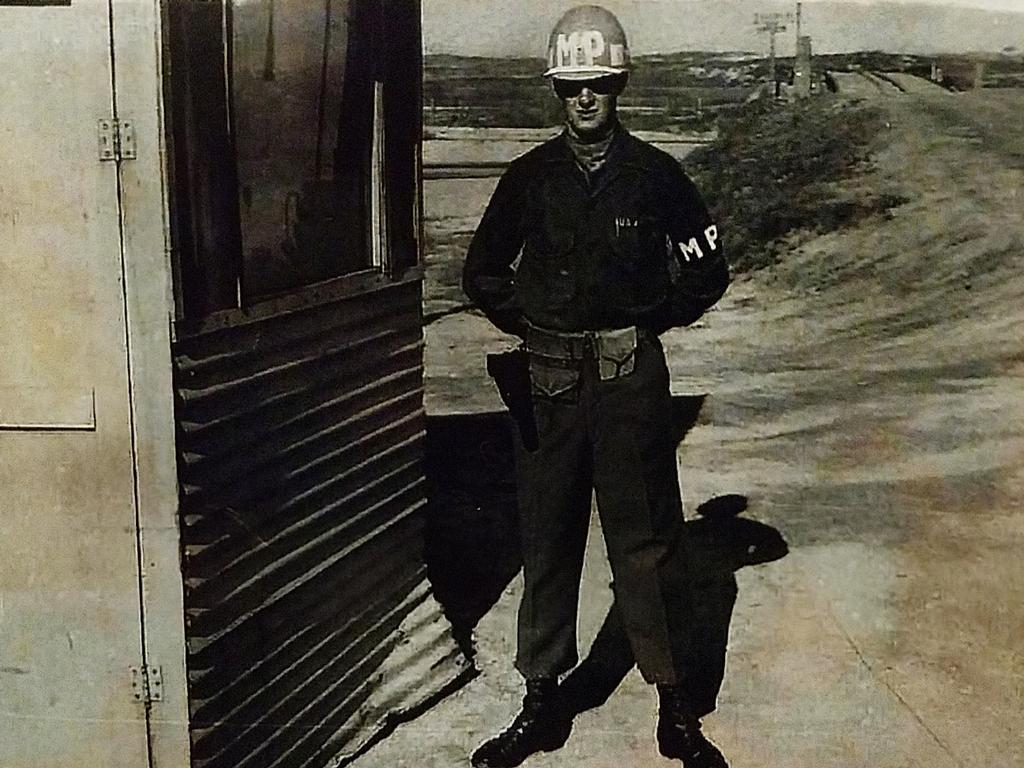
Do you have 6TH ARMORED DIVISION photos you'd like to share?
Then join a community with your brothers and sisters of the 6TH ARMORED DIVISION.
Branch
U.S. Army
Members
11
The 6th Armored Division was a distinguished unit of the United States Army formed in 1942 during World War II. Nicknamed the "Super Sixth," it landed in France in July 1944 and played a key role in the breakout from Normandy and the rapid advance across France. The division was instrumental during the Battle of the Bulge, helping to relieve besieged Bastogne and push back German forces. After advancing into Germany, the 6th Armored Division liberated the Buchenwald concentration camp in April 1945 before the war ended in Europe.