Over 3,064,780 active members

U.S. Army•1 members
Relive and share the memories of your service-time with your brothers and sisters in arms today. VetFriends.com can help you reconnect.
Did you proudly serve in the 5700 civil engineer sq. crash rescue?
Are you looking for someone who is or was in the 5700 civil engineer sq. crash rescue?
Do you have 5700 civil engineer sq. crash rescue photos you'd like to share?
Then join a community with your brothers and sisters of the 5700 civil engineer sq. crash rescue.
Branch
U.S. Army
Members
1
The 5700th Civil Engineer Squadron (Crash Rescue) was a United States Air Force unit based at various locations, most notably at Wheelus Air Base, Libya, during the 1950s and 1960s. Its primary mission was to provide rapid crash rescue and firefighting services for military aircraft operations, ensuring the safety of aircrews and the protection of valuable Air Force assets. The squadron played a critical support role during the era of Strategic Air Command deployments and NATO training exercises in North Africa. Its personnel were highly trained in emergency response, contributing significantly to airfield safety and operational readiness until the American withdrawal from Wheelus in 1970.

Company C 1st Bn. 38th Inf. Regt. • U.S. Army • 1989
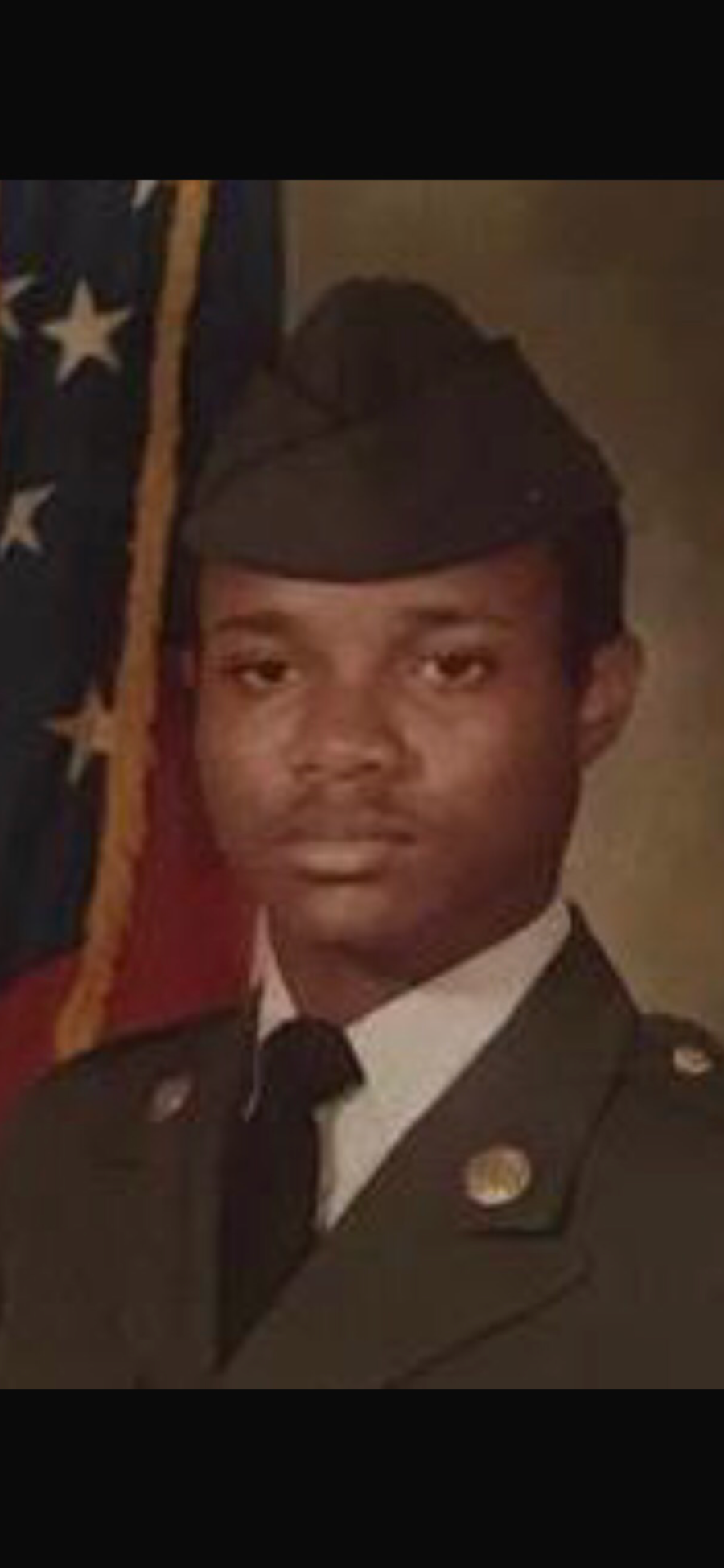
101st airborne division • U.S. Army

U.S. Army
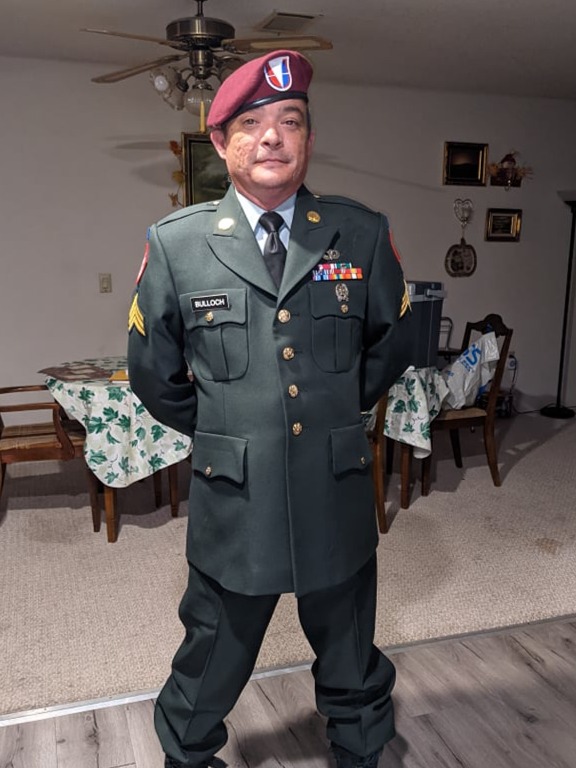
82nd Airborne • U.S. Army • 2018