
Opening branch overview
Building the branch home surface
Loading branch highlights, featured unit context, and gallery moments.
Overview
Members
Units
Building the branch home surface
Loading branch highlights, featured unit context, and gallery moments.
Building the branch units surface
Loading unit filters, rankings, and the branch unit grid.

32 members•1 unit
Relive and share the memories of your service-time with your brothers and sisters in arms today. VetFriends.com can help you reconnect.
Did you proudly serve in the 442nd Signal Battalion?
Are you looking for someone who is or was in the 442nd Signal Battalion?
Do you have 442nd Signal Battalion photos you'd like to share?
Then join a community with your brothers and sisters of the 442nd Signal Battalion.
Branch
U.S. Army
Members
32
The 442nd Signal Battalion was originally constituted on 18 October 1944 in the Army of the United States and activated at Camp Crowder, Missouri, to provide communication support during World War II. After the war, the unit underwent several redesignations, eventually becoming part of the Regular Army. Throughout the Cold War, the 442nd Signal Battalion supported various operations, ensuring secure and reliable communications for command and control elements. The battalion has since continued its mission, adapting to modern technologies to support Army operations both at home and abroad.
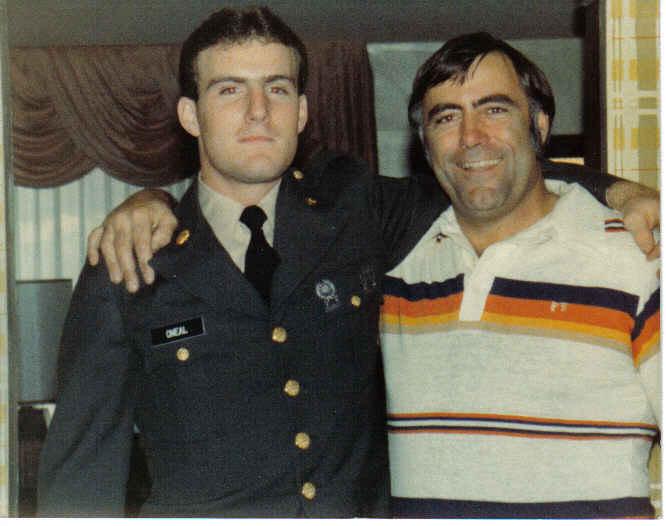
U.S. Army
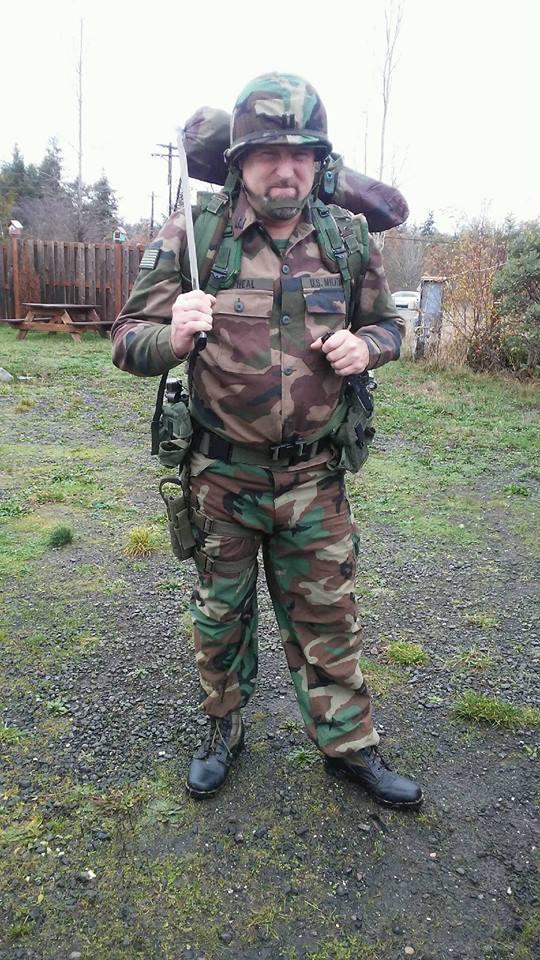
U.S. Army

U.S. Army