
Opening branch overview
Building the branch home surface
Loading branch highlights, featured unit context, and gallery moments.
Overview
Members
Units
Building the branch home surface
Loading branch highlights, featured unit context, and gallery moments.
Building the branch units surface
Loading unit filters, rankings, and the branch unit grid.

38 members•1 unit
Relive and share the memories of your service-time with your brothers and sisters in arms today. VetFriends.com can help you reconnect.
Did you proudly serve in the 3rd General Hospital?
Are you looking for someone who is or was in the 3rd General Hospital?
Do you have 3rd General Hospital photos you'd like to share?
Then join a community with your brothers and sisters of the 3rd General Hospital.
Branch
U.S. Army
Members
38
The 3rd General Hospital was a U.S. Army medical unit originally organized during World War I, primarily staffed by personnel from Columbia University and Presbyterian Hospital in New York. Reactivated for World War II, the unit was deployed to the European Theater, where it provided crucial medical care to wounded Allied soldiers following the D-Day invasions. Stationed in locations such as England and later France, the 3rd General Hospital treated thousands of casualties, playing a vital role in the success of Allied medical operations. Its legacy is marked by professionalism, innovation in battlefield medicine, and a commitment to saving lives under challenging conditions.
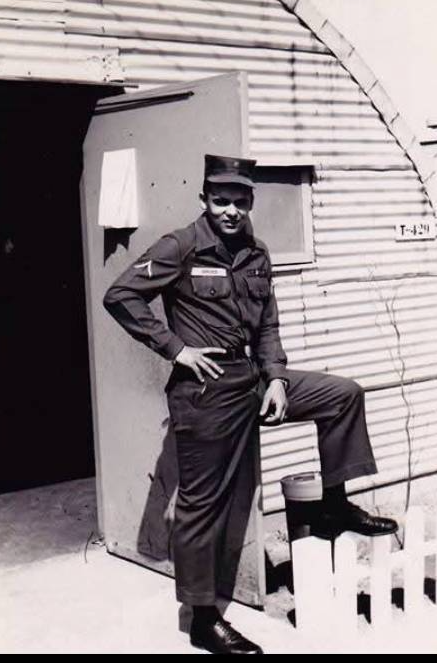
4th Missile Command South Korea • U.S. Army • 1961

1/56 ADA • U.S. Army • 1996

Artillery • U.S. Army

Btrp 7/17th 6th ACCB • U.S. Army • 1973