
Opening branch overview
Building the branch home surface
Loading branch highlights, featured unit context, and gallery moments.
Overview
Members
Units
Building the branch home surface
Loading branch highlights, featured unit context, and gallery moments.
Building the branch units surface
Loading unit filters, rankings, and the branch unit grid.

U.S. Army•3 members
Relive and share the memories of your service-time with your brothers and sisters in arms today. VetFriends.com can help you reconnect.
Did you proudly serve in the 38th Replacement Battilion- Korea?
Are you looking for someone who is or was in the 38th Replacement Battilion- Korea?
Do you have 38th Replacement Battilion- Korea photos you'd like to share?
Then join a community with your brothers and sisters of the 38th Replacement Battilion- Korea.
The 38th Replacement Battalion was a key U.S. Army unit during the Korean War, responsible for processing and assigning incoming personnel to frontline units. Activated in 1950, the battalion operated primarily out of Pusan and other rear-area locations as the main replacement depot for United Nations forces. It ensured that soldiers arriving from the United States and Japan were properly equipped, oriented, and assigned to combat and support units at the front. The 38th Replacement Battalion played a vital logistical role throughout the conflict, maintaining the strength and effectiveness of fighting forces during some of the war’s most intense periods.

U.S. Army
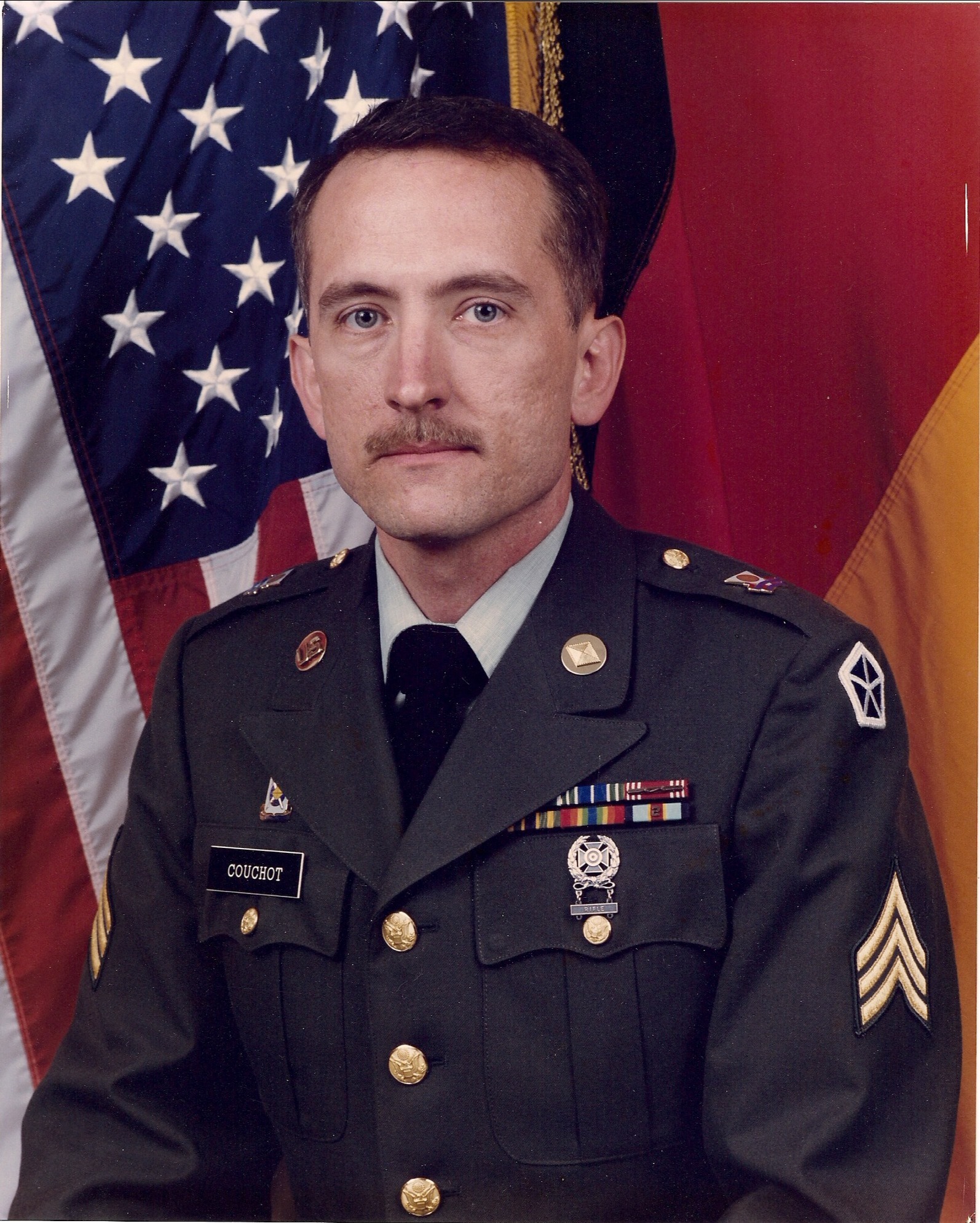
8th Finance • U.S. Army • 1990
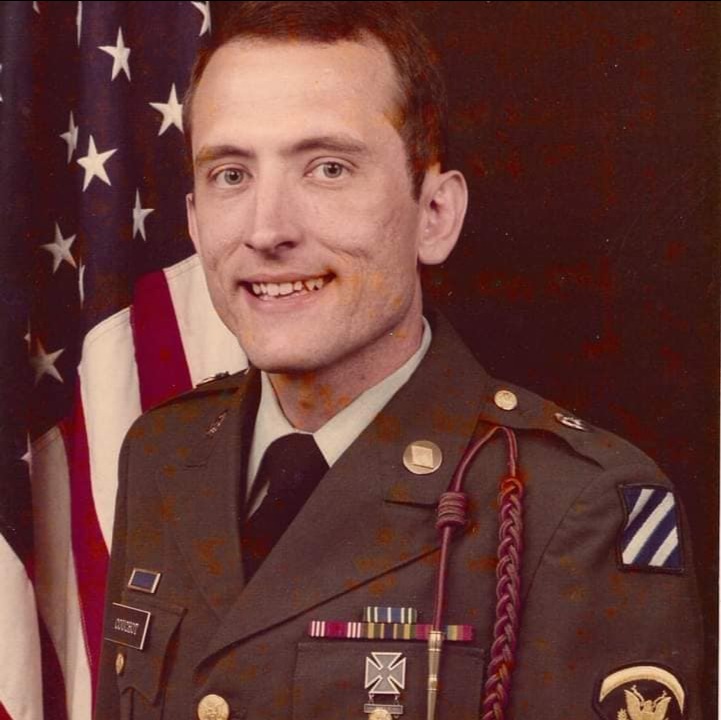
3RD FINANCE • U.S. Army • 1984
U.S. Army