
Opening branch overview
Building the branch home surface
Loading branch highlights, featured unit context, and gallery moments.
Overview
Members
Units
Building the branch home surface
Loading branch highlights, featured unit context, and gallery moments.
Building the branch units surface
Loading unit filters, rankings, and the branch unit grid.

37 members•1 unit
Relive and share the memories of your service-time with your brothers and sisters in arms today. VetFriends.com can help you reconnect.
Did you proudly serve in the 3420 Asu Ft Bragg N.C.?
Are you looking for someone who is or was in the 3420 Asu Ft Bragg N.C.?
Do you have 3420 Asu Ft Bragg N.C. photos you'd like to share?
Then join a community with your brothers and sisters of the 3420 Asu Ft Bragg N.C..
Branch
U.S. Army
Members
37
The 3420th Army Service Unit (ASU), stationed at Fort Bragg, North Carolina, was activated during World War II as part of the U.S. Army Service Forces’ logistical and support structure. Its primary mission was to provide essential administrative, supply, and service support to the expanding military operations at Fort Bragg, which had become a major training center for airborne and artillery units. Throughout the war, the 3420th ASU played a crucial role in maintaining the day-to-day operational readiness of the installation, handling everything from transportation and maintenance to personnel services. After the war, as the Army underwent reorganization, the unit’s functions were either absorbed by other organizations or inactivated as part of the postwar drawdown.
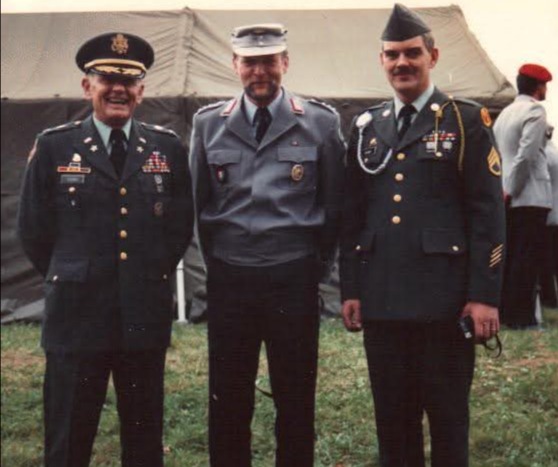
3/37th FA • U.S. Army
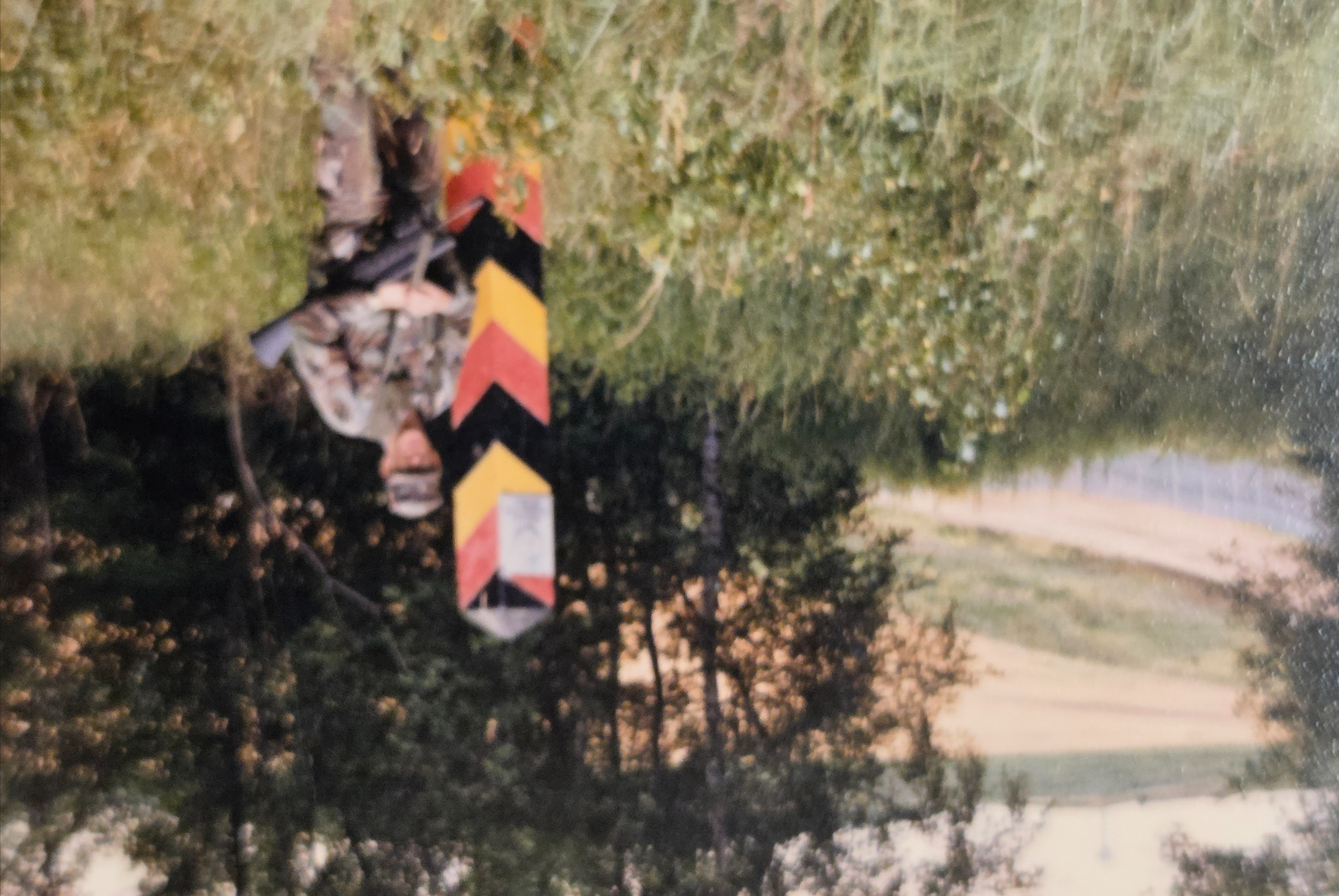
103rd MI Bn 3rd Infantry Division • U.S. Army • 1986
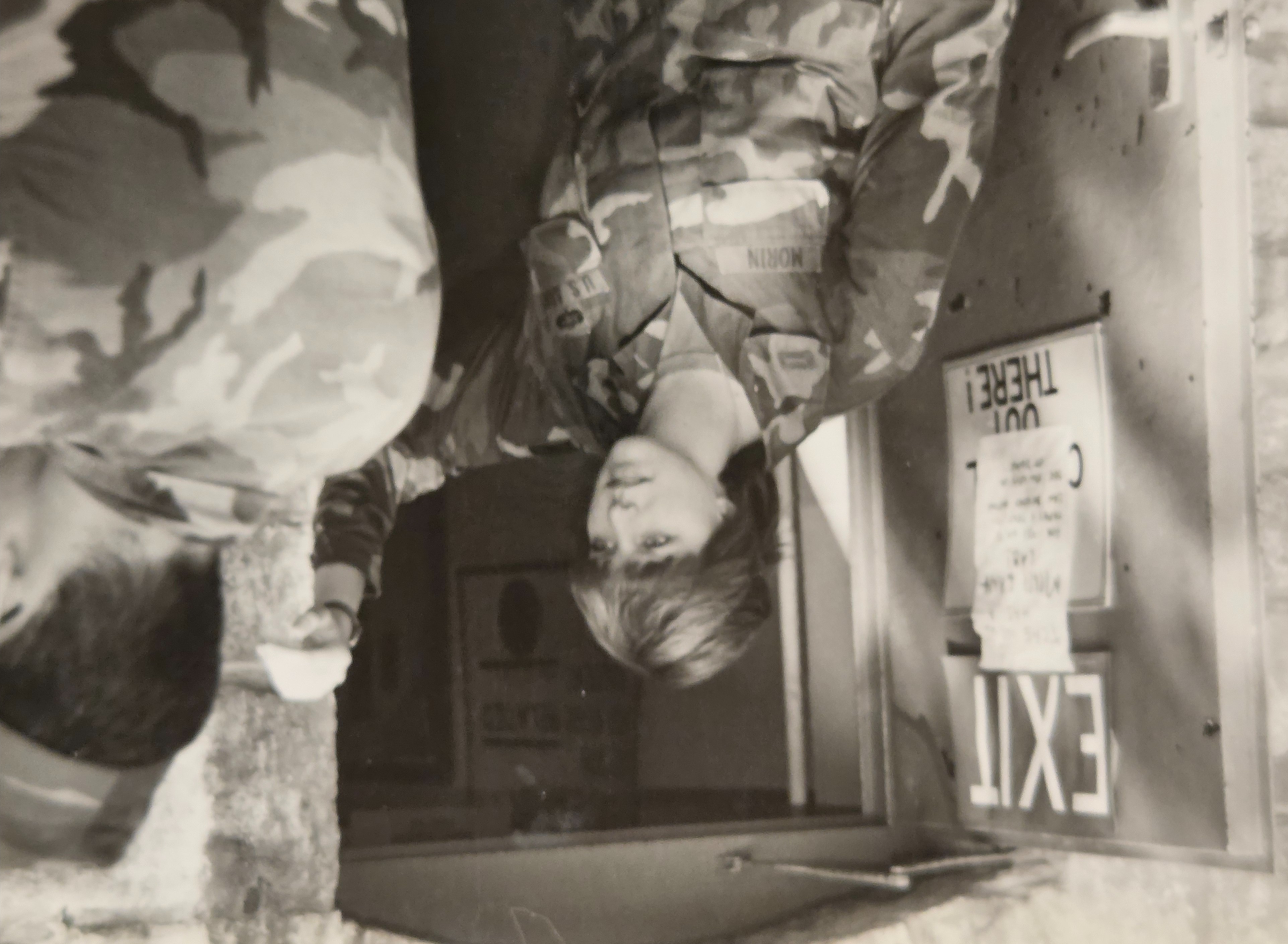
103rd MI Bn 3rd Infantry Division • U.S. Army • 1987
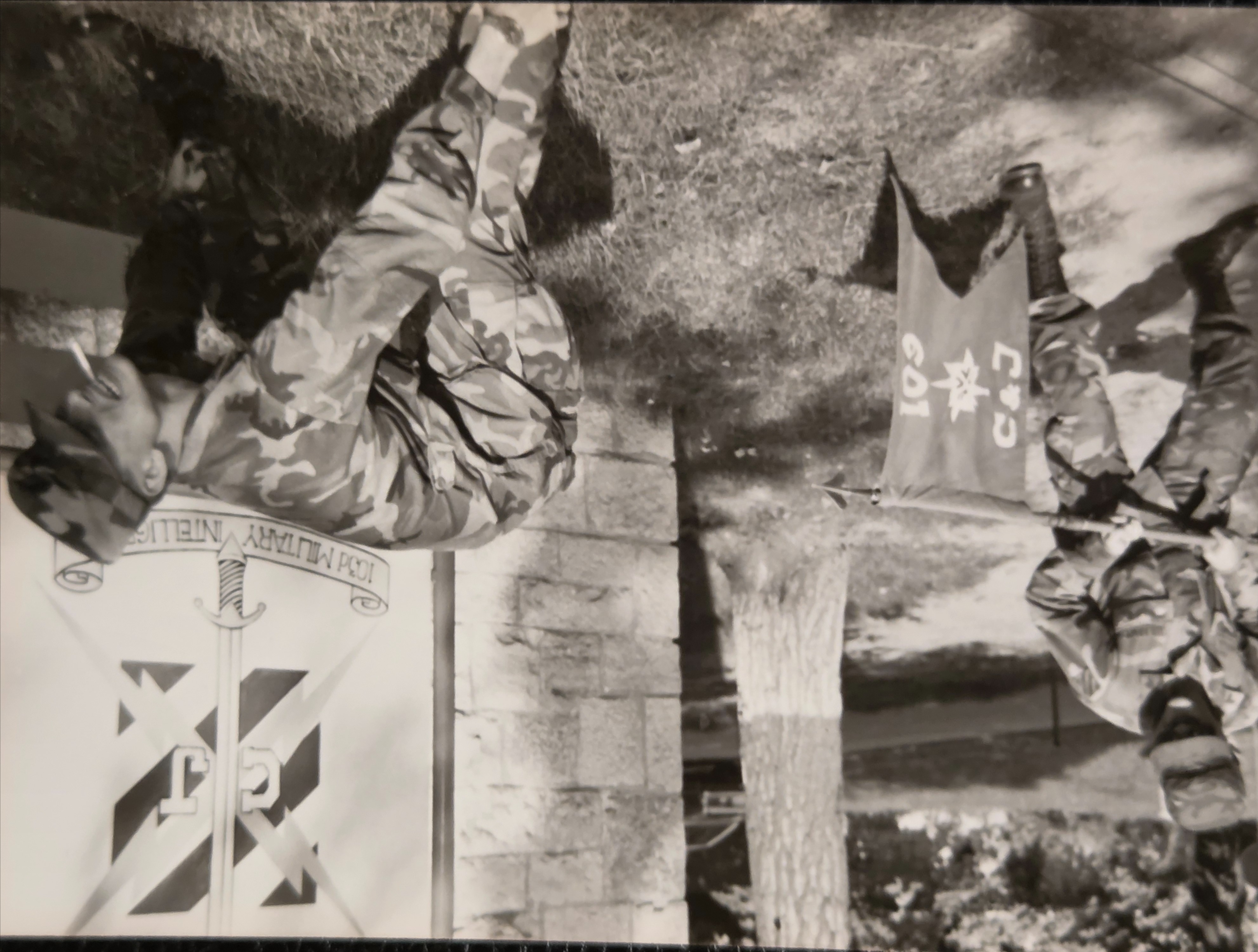
103rd MI Bn 3rd Infantry Division • U.S. Army • 1987