
Opening branch overview
Building the branch home surface
Loading branch highlights, featured unit context, and gallery moments.
Overview
Members
Units
Building the branch home surface
Loading branch highlights, featured unit context, and gallery moments.
Building the branch units surface
Loading unit filters, rankings, and the branch unit grid.

1 members•1 unit
Relive and share the memories of your service-time with your brothers and sisters in arms today. VetFriends.com can help you reconnect.
Did you proudly serve in the 312th evacuation hospital?
Are you looking for someone who is or was in the 312th evacuation hospital?
Do you have 312th evacuation hospital photos you'd like to share?
Then join a community with your brothers and sisters of the 312th evacuation hospital.
Branch
U.S. Army
Members
1
The 312th Evacuation Hospital was a U.S. Army medical unit activated during World War II. Formed in 1942, it provided critical medical care to wounded soldiers in the European Theater, notably participating in campaigns in France and Germany following the D-Day landings. The unit was highly mobile, setting up field hospitals close to the front lines to ensure rapid treatment and evacuation of casualties. The 312th played a vital role in saving countless lives and maintaining troop morale during some of the war’s fiercest battles.
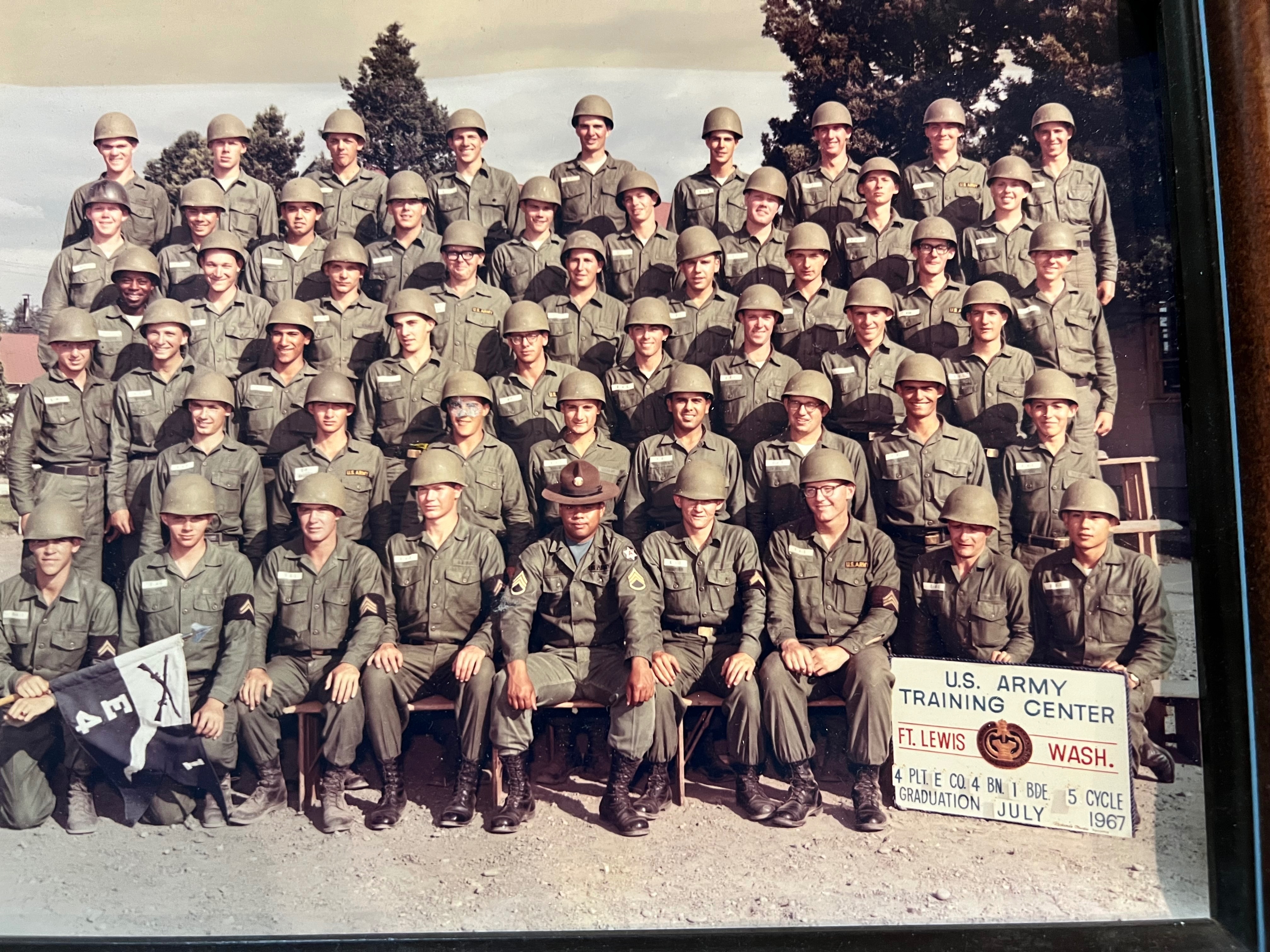
U.S. Army
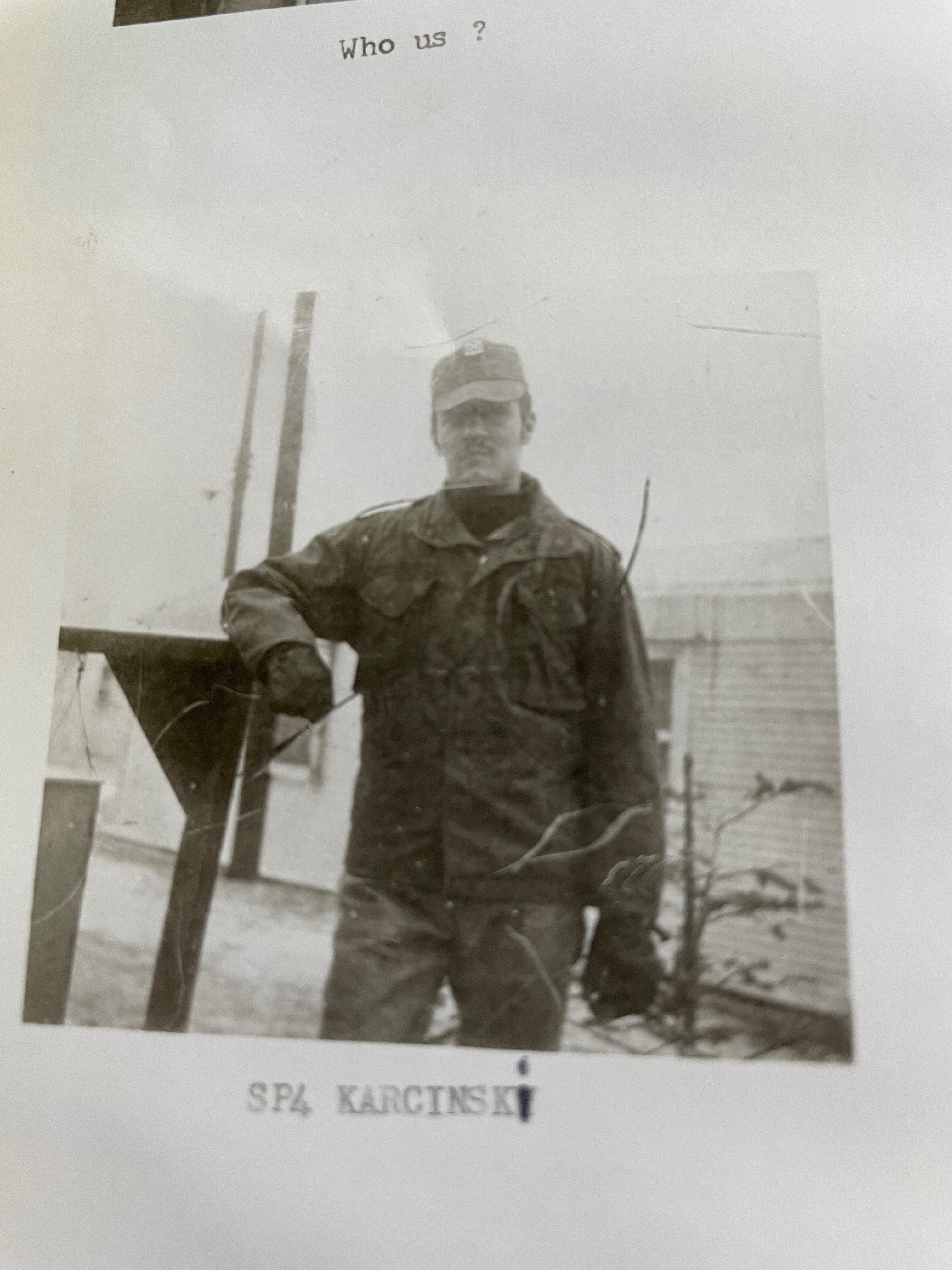
U.S. Army
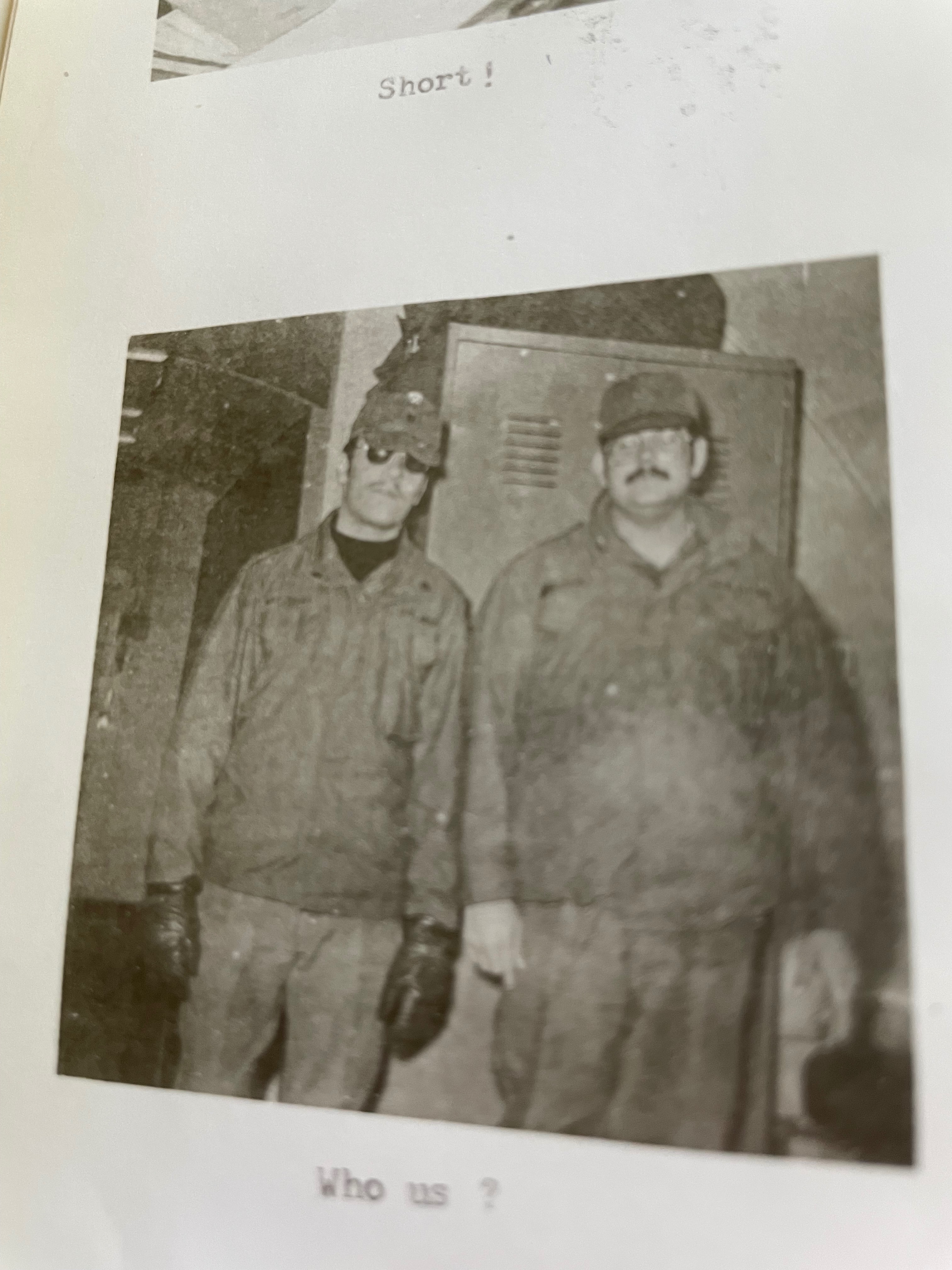
U.S. Army
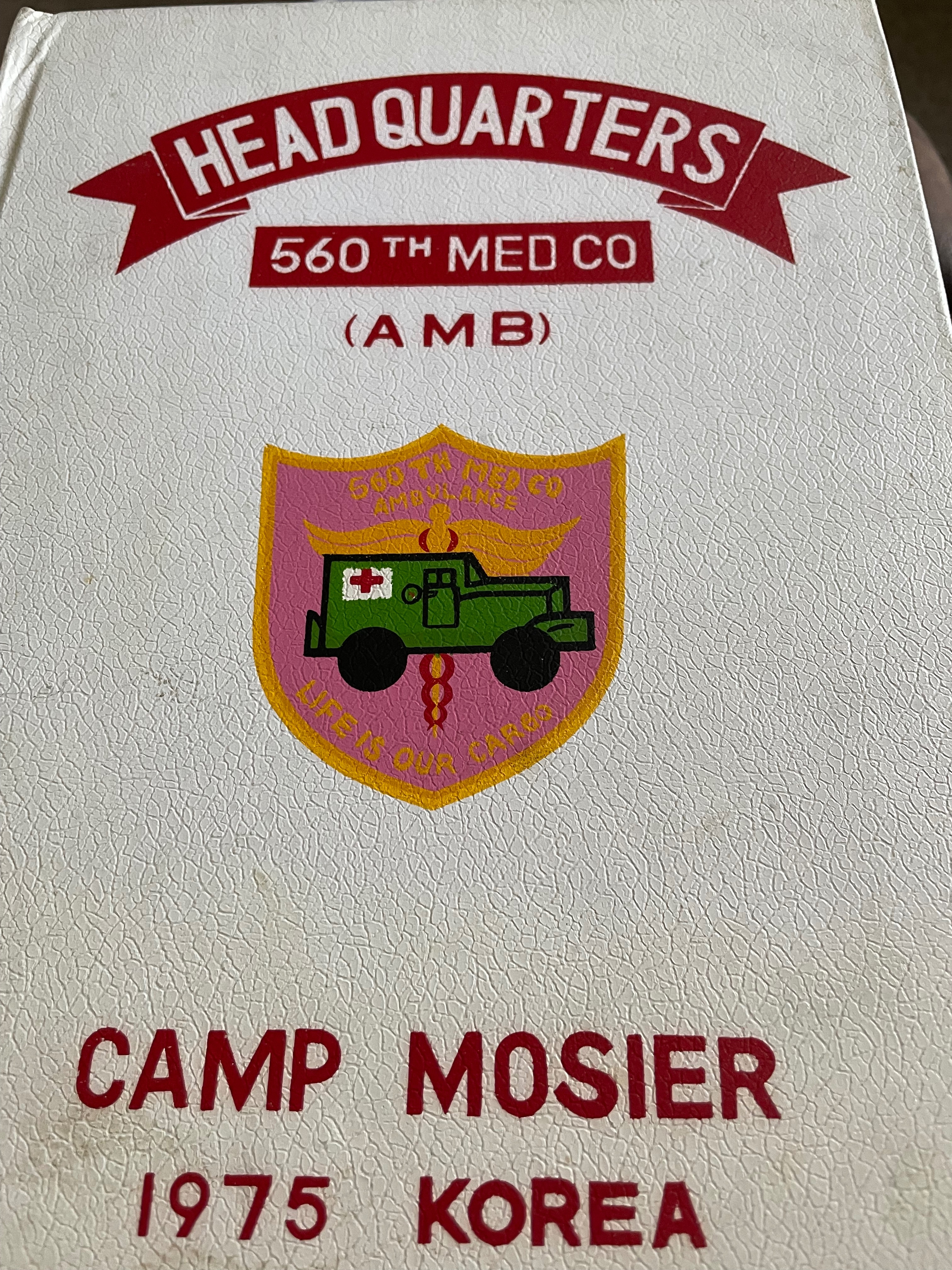
U.S. Army