Over 3,064,780 active members

U.S. Army•6 members
Relive and share the memories of your service-time with your brothers and sisters in arms today. VetFriends.com can help you reconnect.
Did you proudly serve in the 27th Surgical Hospital?
Are you looking for someone who is or was in the 27th Surgical Hospital?
Do you have 27th Surgical Hospital photos you'd like to share?
Then join a community with your brothers and sisters of the 27th Surgical Hospital.
Branch
U.S. Army
Members
6
The 27th Surgical Hospital was a distinguished U.S. Army medical unit that provided critical surgical and medical support during several major conflicts. Activated during World War II, the hospital played a vital role in treating wounded soldiers in the European Theater. The unit was later deployed to Vietnam, where it operated near Chu Lai and Da Nang, delivering advanced combat medical care and saving countless lives under challenging conditions from 1966 to 1970. Renowned for its expertise and dedication, the 27th Surgical Hospital exemplified the bravery and professionalism of Army medical personnel throughout its service.
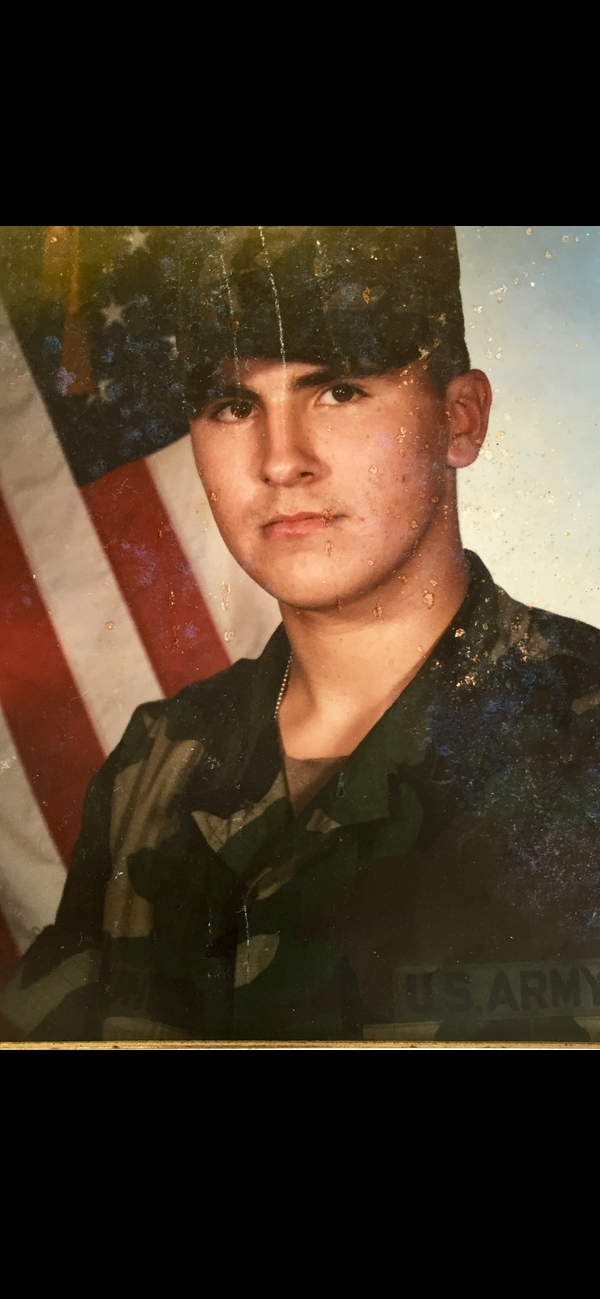
Company C 1st Bn. 38th Inf. Regt. • U.S. Army • 1989
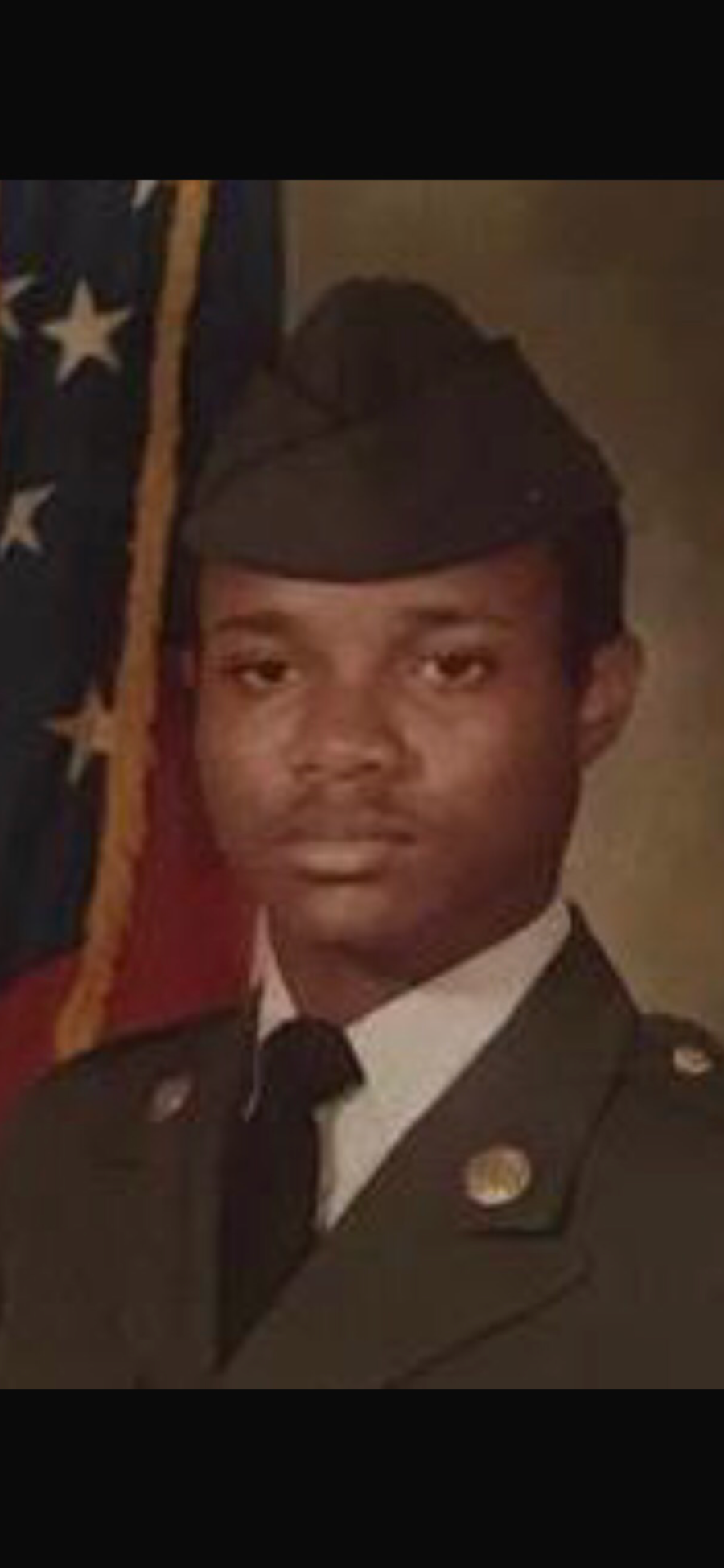
101st airborne division • U.S. Army

U.S. Army
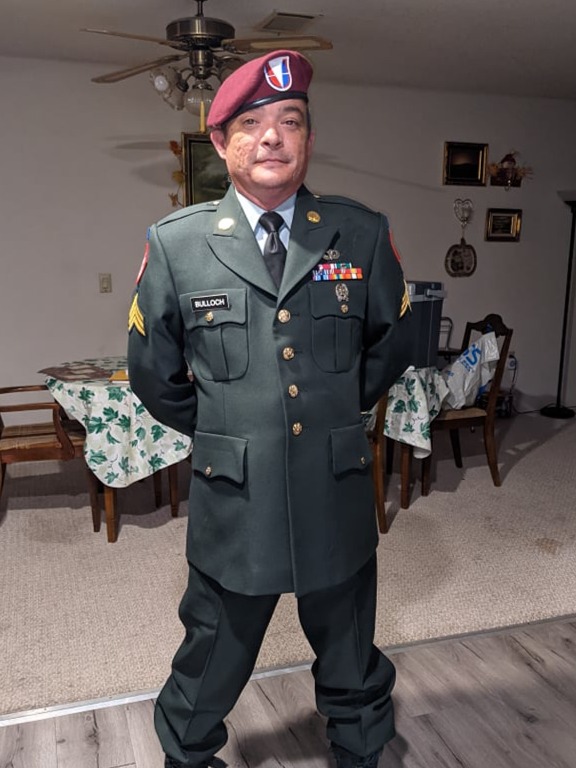
82nd Airborne • U.S. Army • 2018