
Opening branch overview
Building the branch home surface
Loading branch highlights, featured unit context, and gallery moments.
Overview
Members
Units
Building the branch home surface
Loading branch highlights, featured unit context, and gallery moments.
Building the branch units surface
Loading unit filters, rankings, and the branch unit grid.

6 members•1 unit
Relive and share the memories of your service-time with your brothers and sisters in arms today. VetFriends.com can help you reconnect.
Did you proudly serve in the 268th AHB?
Are you looking for someone who is or was in the 268th AHB?
Do you have 268th AHB photos you'd like to share?
Then join a community with your brothers and sisters of the 268th AHB.
Branch
U.S. Army
Members
6
The 268th Assault Helicopter Battalion (AHB) was an aviation unit of the United States Army that served with distinction during the Vietnam War. Activated in 1966, the battalion provided critical air assault, troop transport, and logistical support for ground operations, primarily in the Central Highlands region. Flying UH-1 "Huey" helicopters, the 268th AHB participated in numerous major operations, including support for the 4th Infantry Division and operations around Kontum and Pleiku. The unit was recognized for its bravery and professionalism under fire before being deactivated following the drawdown of U.S. forces in Vietnam.

ARTILLERY • U.S. Army
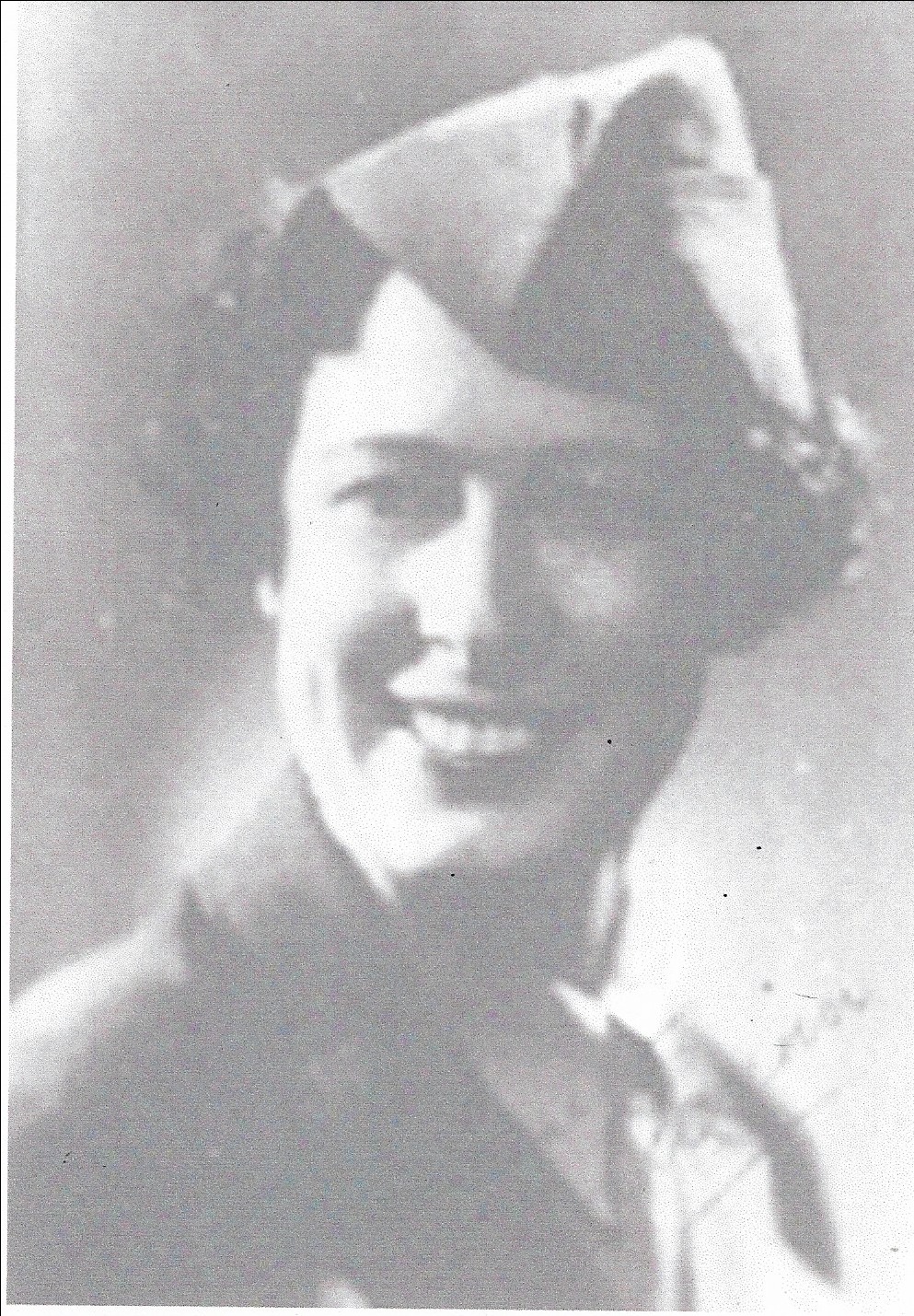
U.S. Army
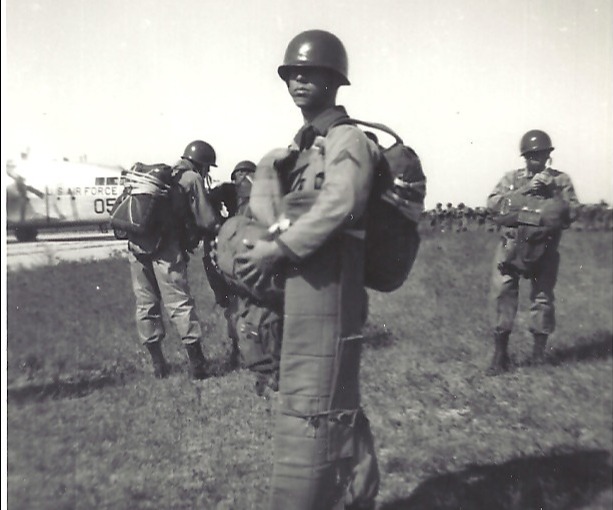
82nd Airborne • U.S. Army • 1954
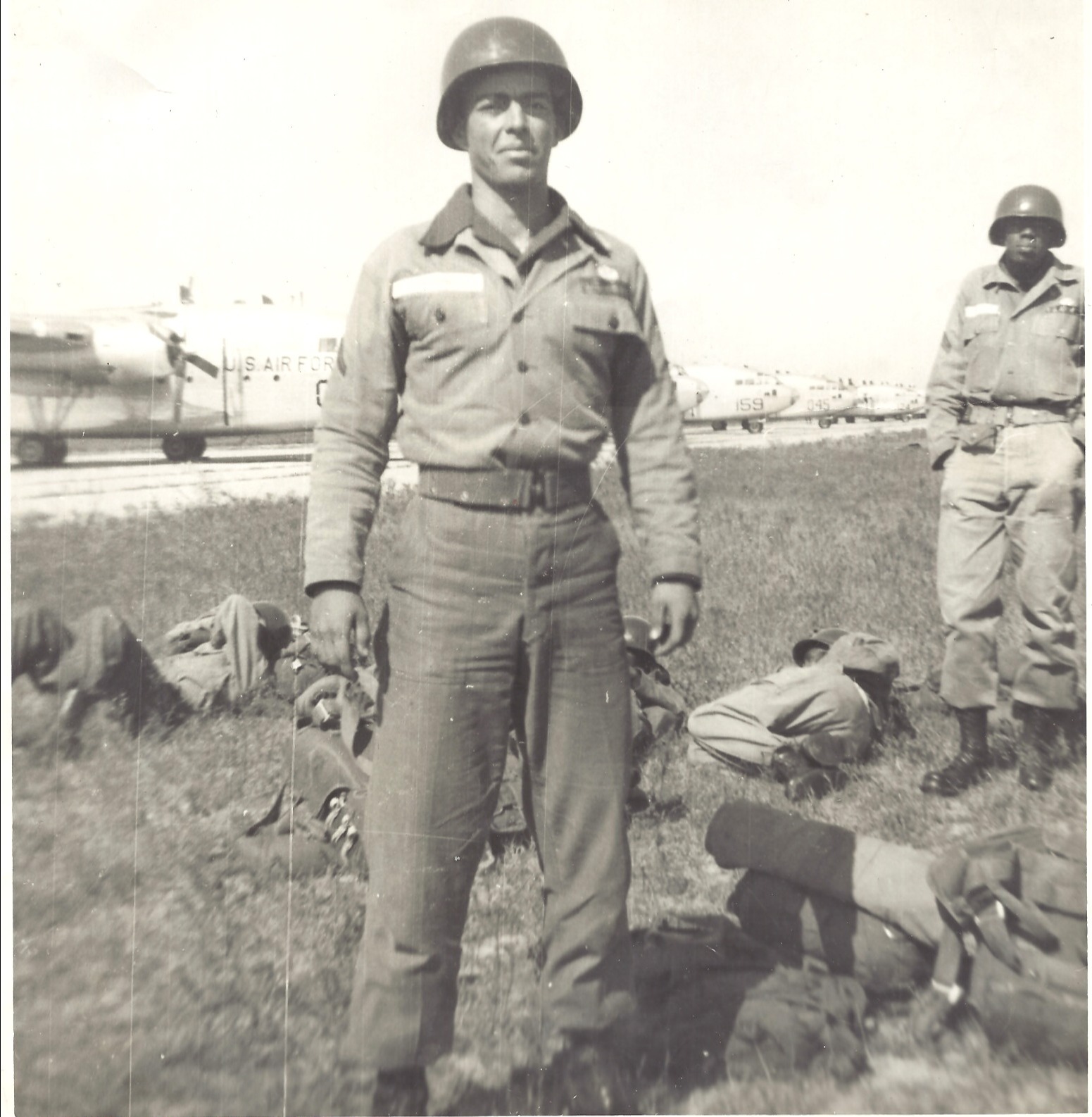
82nd Airborne • U.S. Army • 1954