
Opening branch overview
Building the branch home surface
Loading branch highlights, featured unit context, and gallery moments.
Overview
Members
Units
Building the branch home surface
Loading branch highlights, featured unit context, and gallery moments.
Building the branch units surface
Loading unit filters, rankings, and the branch unit grid.

3 members•1 unit
Relive and share the memories of your service-time with your brothers and sisters in arms today. VetFriends.com can help you reconnect.
Did you proudly serve in the 201st Evacuation Hospital (ANGUS)?
Are you looking for someone who is or was in the 201st Evacuation Hospital (ANGUS)?
Do you have 201st Evacuation Hospital (ANGUS) photos you'd like to share?
Then join a community with your brothers and sisters of the 201st Evacuation Hospital (ANGUS).
Branch
U.S. Army
Members
3
The 201st Evacuation Hospital (ANGUS) was a U.S. Army medical unit, primarily composed of Army National Guard personnel, activated for federal service during periods of conflict. The unit was originally constituted during World War II and later re-designated and reorganized through the Cold War era. Its mission was to provide surgical and medical care to wounded soldiers near combat zones, playing a critical role in casualty evacuation and treatment. Over its history, the 201st Evacuation Hospital participated in training exercises, mobilizations, and supported various contingency operations, reflecting the vital role of Army medical units in both wartime and peacetime missions.

U.S. Army
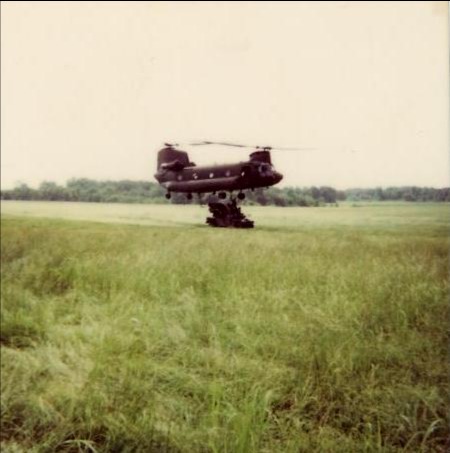
2-44 ADA FT CAMPBELL KY • U.S. Army • 1999
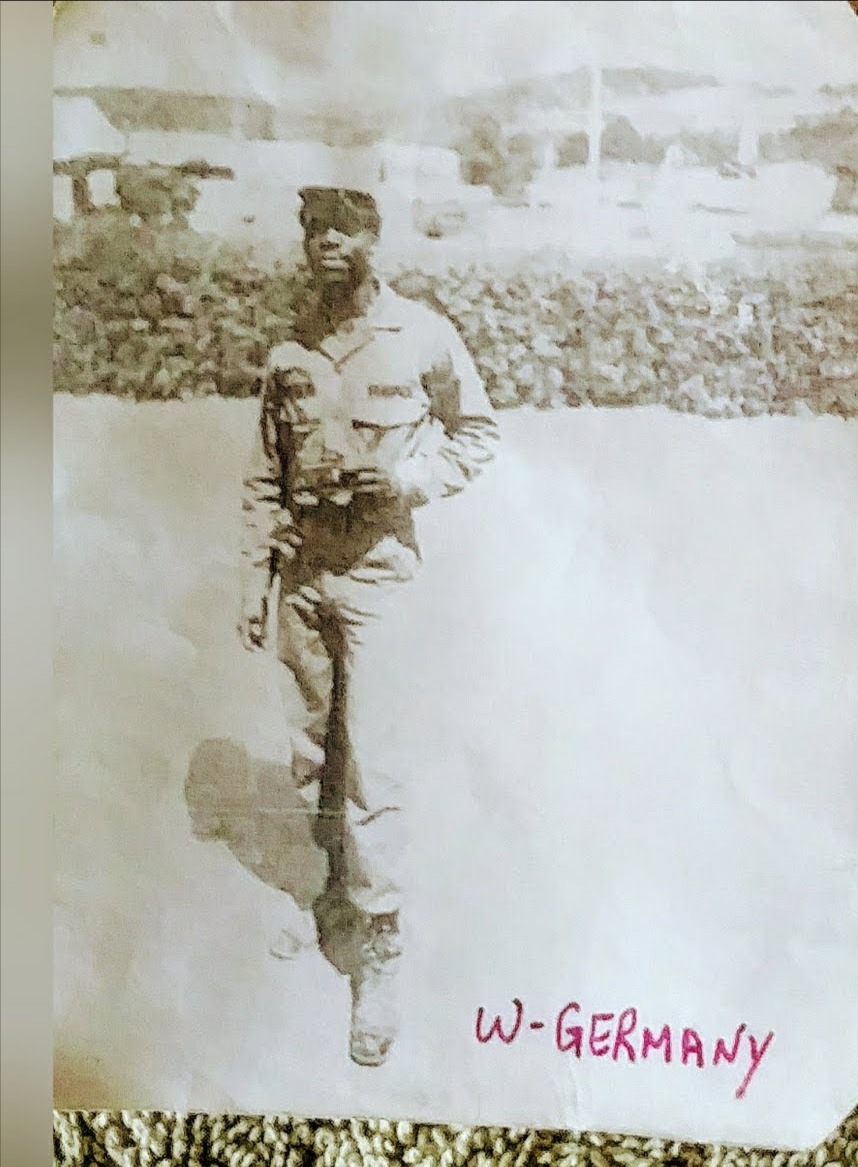
U.S. Army
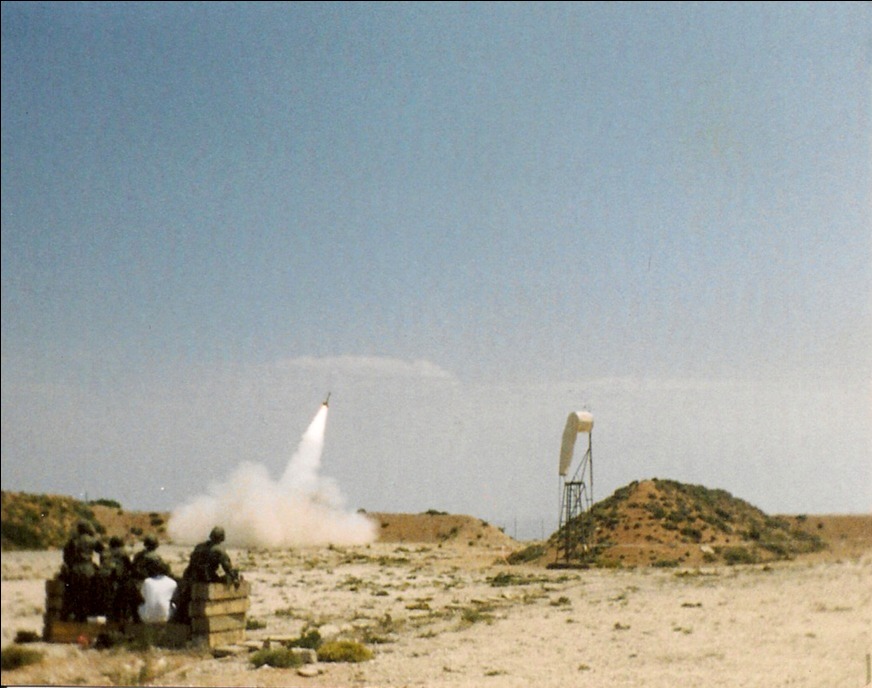
3rd Armored Division • U.S. Army • 1989