
Opening branch overview
Building the branch home surface
Loading branch highlights, featured unit context, and gallery moments.
Overview
Members
Units
Building the branch home surface
Loading branch highlights, featured unit context, and gallery moments.
Building the branch units surface
Loading unit filters, rankings, and the branch unit grid.

3 members•1 unit
Relive and share the memories of your service-time with your brothers and sisters in arms today. VetFriends.com can help you reconnect.
Did you proudly serve in the 13Maintance?
Are you looking for someone who is or was in the 13Maintance?
Do you have 13Maintance photos you'd like to share?
Then join a community with your brothers and sisters of the 13Maintance.
Branch
U.S. Army
Members
3
13 Maintenance, officially known as the 13th Maintenance Battalion, was established to provide critical logistical and technical support to frontline combat units. Throughout its history, the unit has played a key role in ensuring the operational readiness of armored vehicles, weapons systems, and other essential equipment, particularly during major training exercises and overseas deployments. The battalion gained recognition for its swift response and adaptability during several high-tempo operations, where rapid repairs and sustainment missions were vital to mission success. Today, 13 Maintenance continues to uphold its tradition of excellence, serving as a vital component within its parent brigade’s support structure.
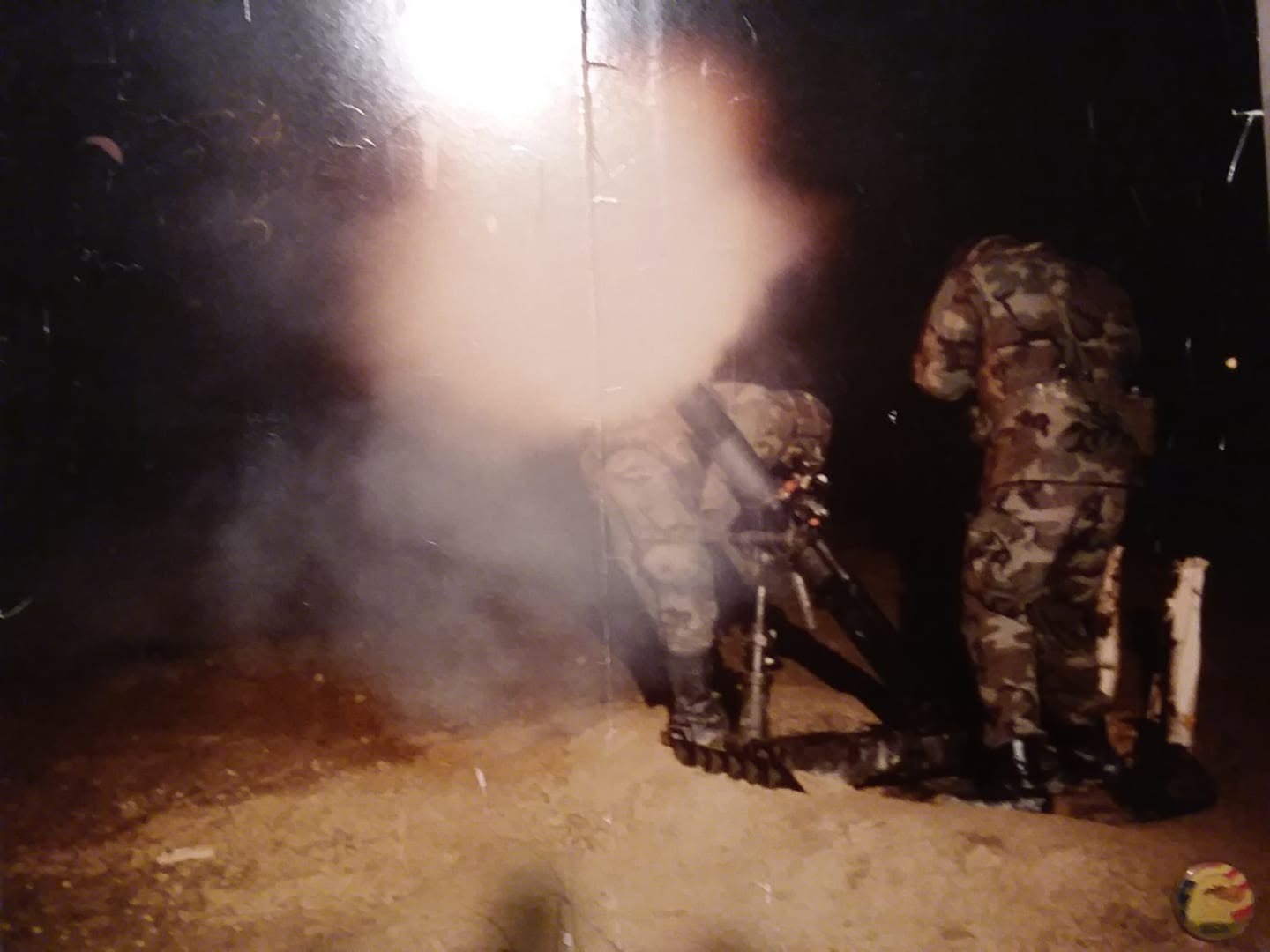
U.S. Army • 1995
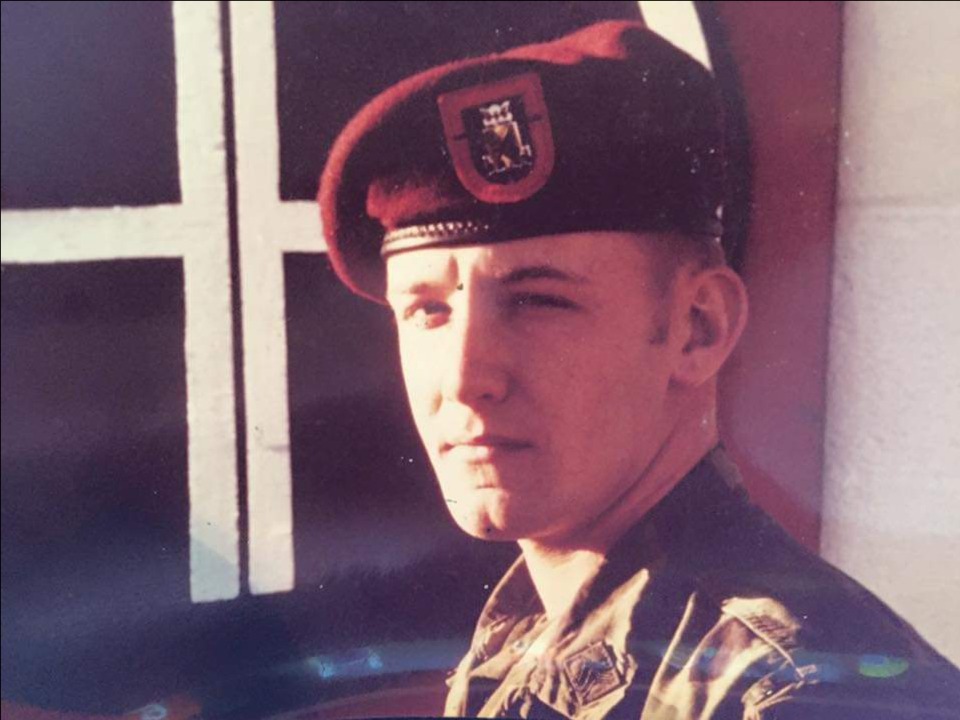
U.S. Army
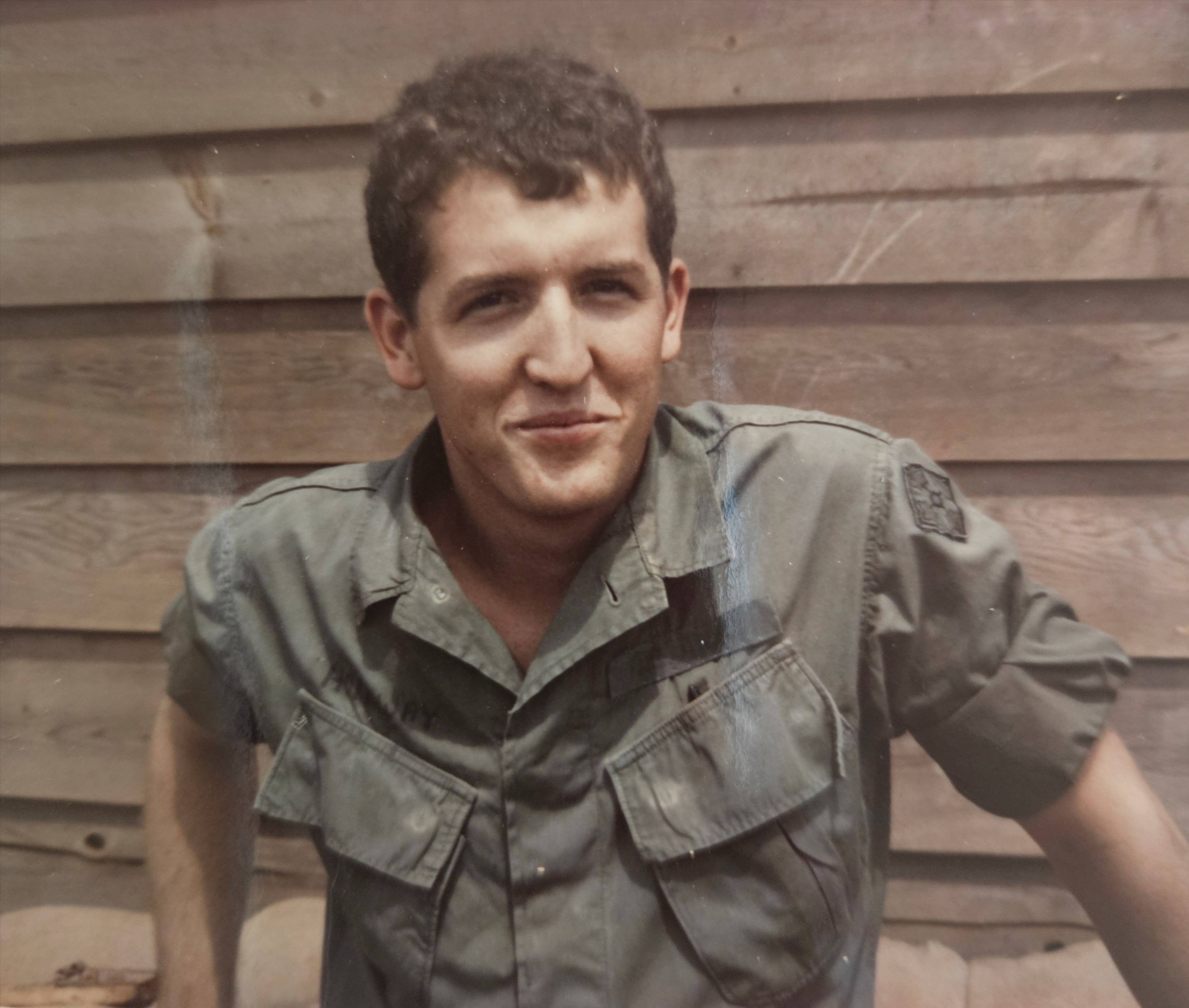
374TH RRC • U.S. Army • 1967
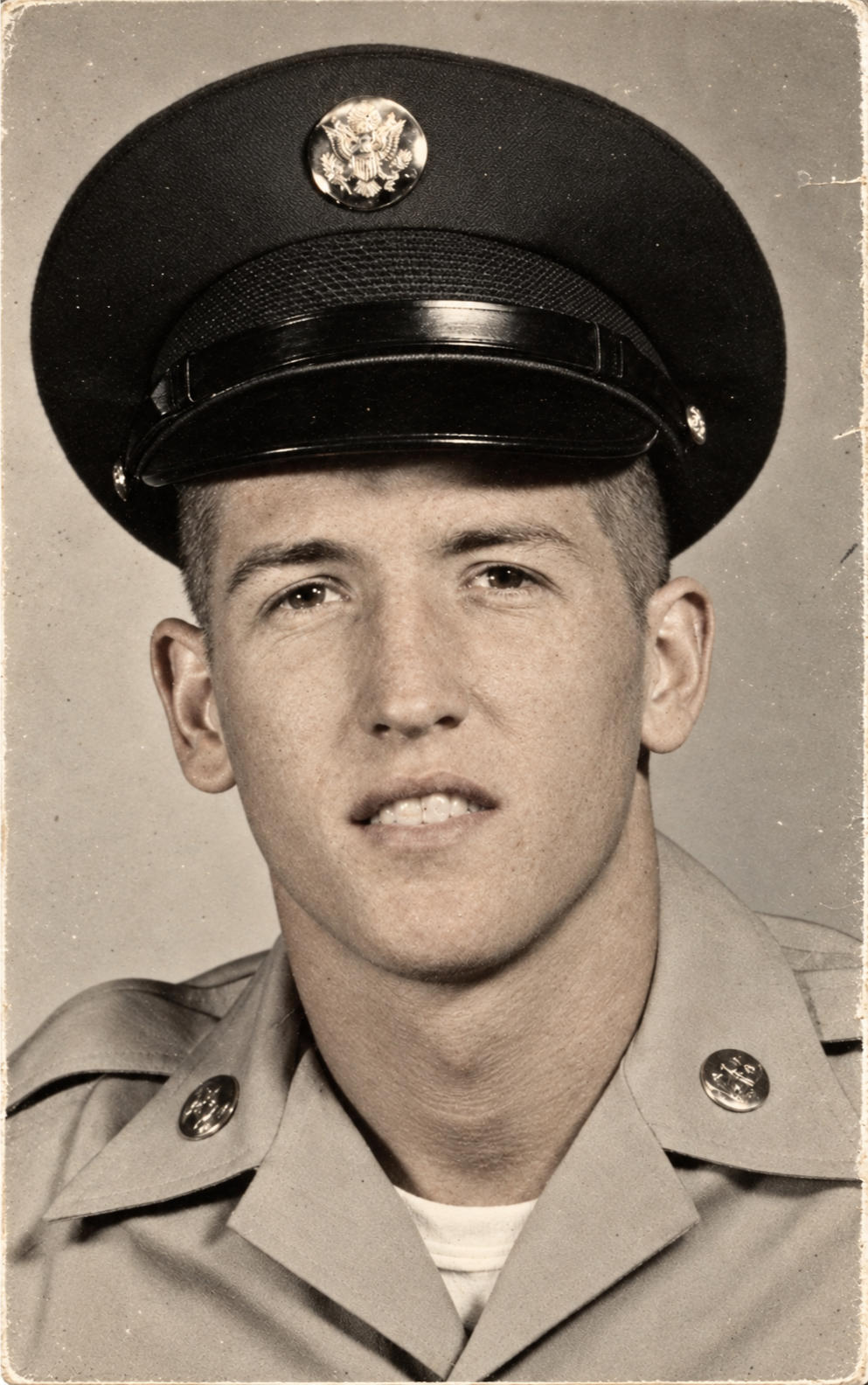
U.S. Army