
Opening branch overview
Building the branch home surface
Loading branch highlights, featured unit context, and gallery moments.
Overview
Members
Units
Building the branch home surface
Loading branch highlights, featured unit context, and gallery moments.
Building the branch units surface
Loading unit filters, rankings, and the branch unit grid.

6 members•1 unit
Relive and share the memories of your service-time with your brothers and sisters in arms today. VetFriends.com can help you reconnect.
Did you proudly serve in the 106th Infantry Division?
Are you looking for someone who is or was in the 106th Infantry Division?
Do you have 106th Infantry Division photos you'd like to share?
Then join a community with your brothers and sisters of the 106th Infantry Division.
Branch
U.S. Army
Members
6
The 106th Infantry Division, known as the "Golden Lion Division," was activated in March 1943 during World War II. It deployed to Europe in late 1944 and entered combat during the Battle of the Bulge, where two of its regiments were encircled and forced to surrender in December 1944, marking one of the largest American mass surrenders of the war. Despite this setback, the remaining units of the division regrouped and continued to fight through the final months of the European campaign. The division was inactivated in October 1945 after returning to the United States.

U.S. Army

U.S. Army

41 TRANS CO 181 TRANS BN • U.S. Army • 1974
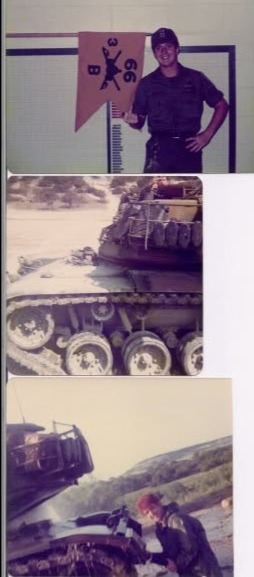
2nd Armored Division • U.S. Army • 1981