
Opening branch overview
Building the branch home surface
Loading branch highlights, featured unit context, and gallery moments.
Overview
Members
Units
Building the branch home surface
Loading branch highlights, featured unit context, and gallery moments.
Building the branch units surface
Loading unit filters, rankings, and the branch unit grid.

37 members•1 unit
Relive and share the memories of your service-time with your brothers and sisters in arms today. VetFriends.com can help you reconnect.
Did you proudly serve in the USAF RMC CLARK APO SF 96274?
Are you looking for someone who is or was in the USAF RMC CLARK APO SF 96274?
Do you have USAF RMC CLARK APO SF 96274 photos you'd like to share?
Then join a community with your brothers and sisters of the USAF RMC CLARK APO SF 96274.
Branch
U.S. Air Force
Members
37
**USAF RMC CLARK APO SF 96274** refers to the United States Air Force Regional Medical Center at Clark Air Base, located in the Philippines. Established as a key medical facility, the RMC at Clark provided comprehensive healthcare services to U.S. military personnel, their families, and allied forces throughout Southeast Asia, especially during the Vietnam War era. As part of the broader U.S. presence in the Pacific, the medical center played a crucial role in treating wounded soldiers evacuated from combat zones, offering advanced surgical and recovery capabilities. The facility continued operations until the closure of Clark Air Base in 1991, following the eruption of Mount Pinatubo and subsequent U.S.-Philippines base agreement changes.

U.S. Air Force • 1978

401 tfw • U.S. Air Force • 1976
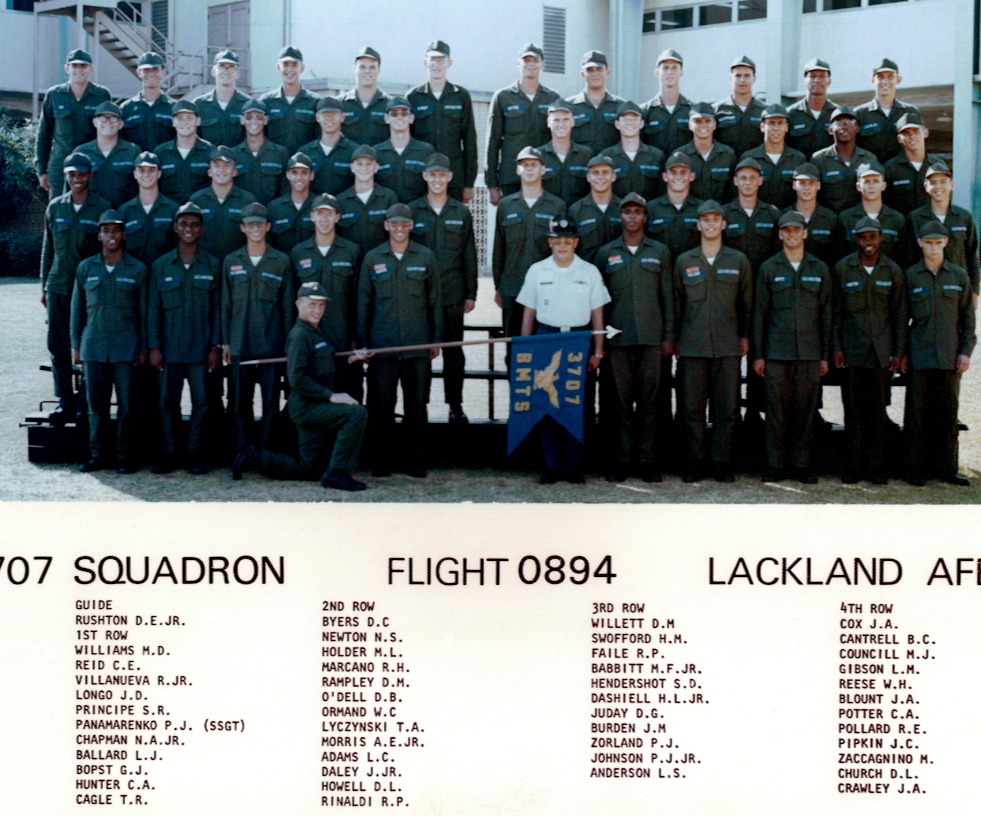
U.S. Air Force • 1975

U.S. Air Force • 2015