
Opening branch overview
Building the branch home surface
Loading branch highlights, featured unit context, and gallery moments.
Overview
Members
Units
Building the branch home surface
Loading branch highlights, featured unit context, and gallery moments.
Building the branch units surface
Loading unit filters, rankings, and the branch unit grid.

1 members•1 unit
Relive and share the memories of your service-time with your brothers and sisters in arms today. VetFriends.com can help you reconnect.
Did you proudly serve in the Us a fav RAF Brawdy?
Are you looking for someone who is or was in the Us a fav RAF Brawdy?
Do you have Us a fav RAF Brawdy photos you'd like to share?
Then join a community with your brothers and sisters of the Us a fav RAF Brawdy.
Branch
U.S. Air Force
Members
1
RAF Brawdy, located in Pembrokeshire, Wales, was originally established as a Royal Air Force station during World War II in 1944. Post-war, it served various roles, including as a base for the Fleet Air Arm and later reverted to the RAF, hosting advanced flying training units and the Tactical Weapons Unit. In the 1970s and 1980s, RAF Brawdy became notable for training fast jet pilots using Hawker Hunters and BAe Hawks. The station closed as an RAF base in 1992, marking the end of its significant contribution to British military aviation training.

U.S. Air Force

U.S. Air Force
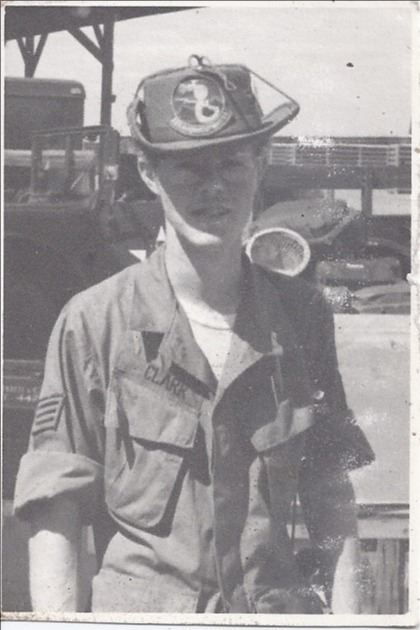
388 AMS • U.S. Air Force • 1972

831st Services Squadron • U.S. Air Force • 2026