
Opening branch overview
Building the branch home surface
Loading branch highlights, featured unit context, and gallery moments.
Overview
Members
Units
Building the branch home surface
Loading branch highlights, featured unit context, and gallery moments.
Building the branch units surface
Loading unit filters, rankings, and the branch unit grid.

38 members•1 unit
Relive and share the memories of your service-time with your brothers and sisters in arms today. VetFriends.com can help you reconnect.
Did you proudly serve in the Tan Son Nhut Crash Rescue?
Are you looking for someone who is or was in the Tan Son Nhut Crash Rescue?
Do you have Tan Son Nhut Crash Rescue photos you'd like to share?
Then join a community with your brothers and sisters of the Tan Son Nhut Crash Rescue.
Branch
U.S. Air Force
Members
38
The Tan Son Nhut Crash Rescue unit was a specialized emergency response team stationed at Tan Son Nhut Air Base near Saigon during the Vietnam War. Tasked with rapid response to aircraft accidents, fires, and other emergencies on the busy airfield, the unit played a critical role in safeguarding both U.S. and allied personnel and assets. They faced frequent danger from incoming enemy fire and the risk of explosions while performing rescue and firefighting operations. Their bravery and professionalism contributed significantly to airfield safety throughout the conflict, earning respect from both aircrews and command staff.
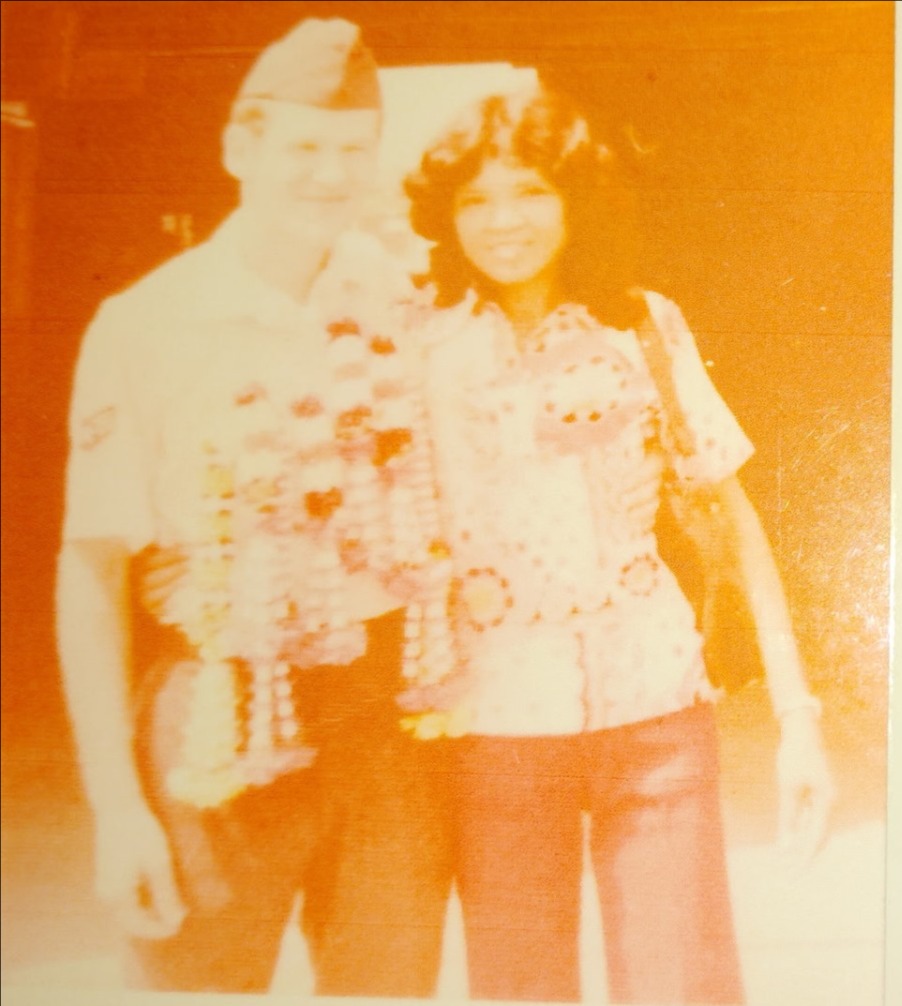
432nd Transportation Squadron • U.S. Air Force • 1975
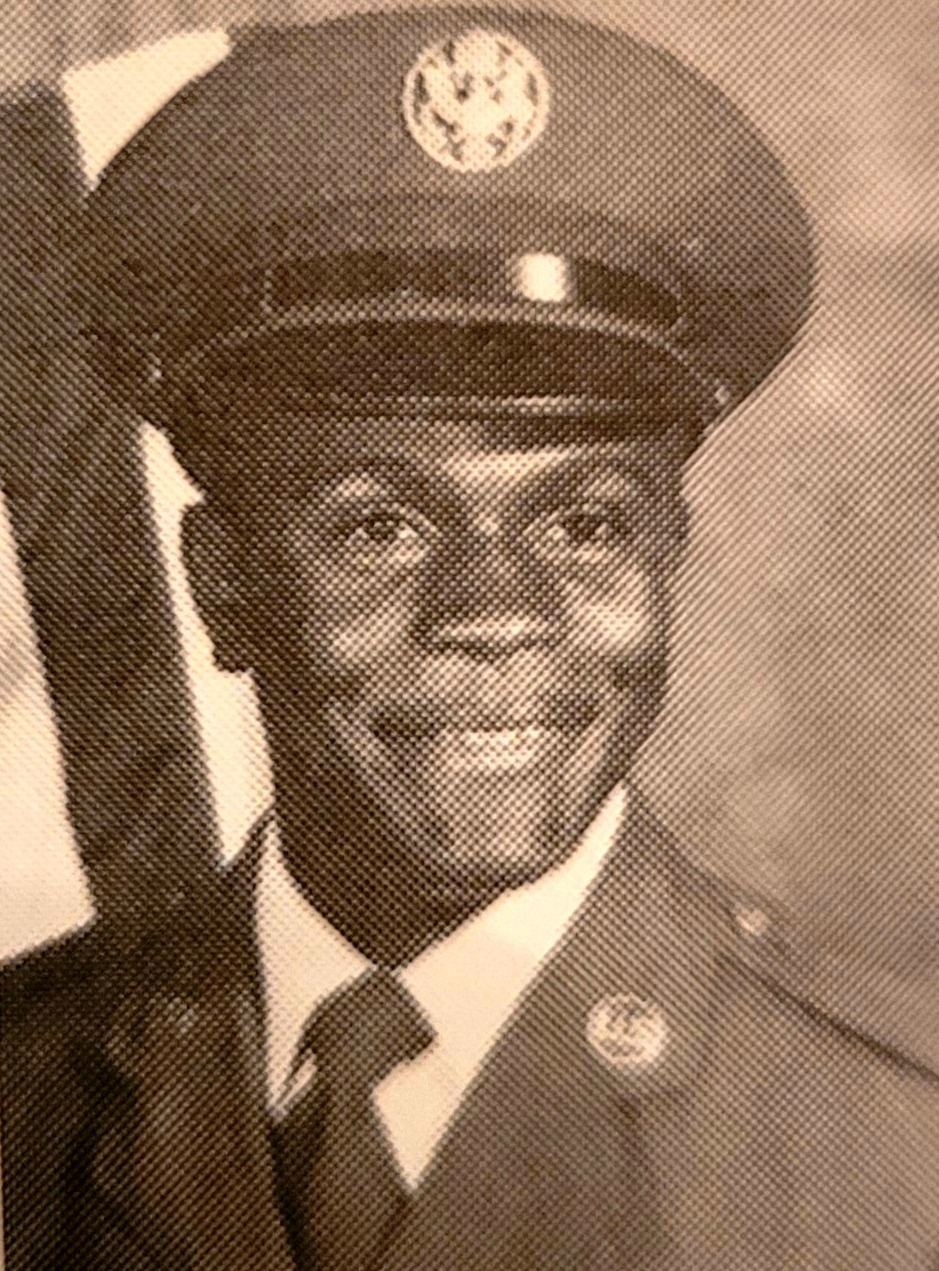
U.S. Air Force • 1980
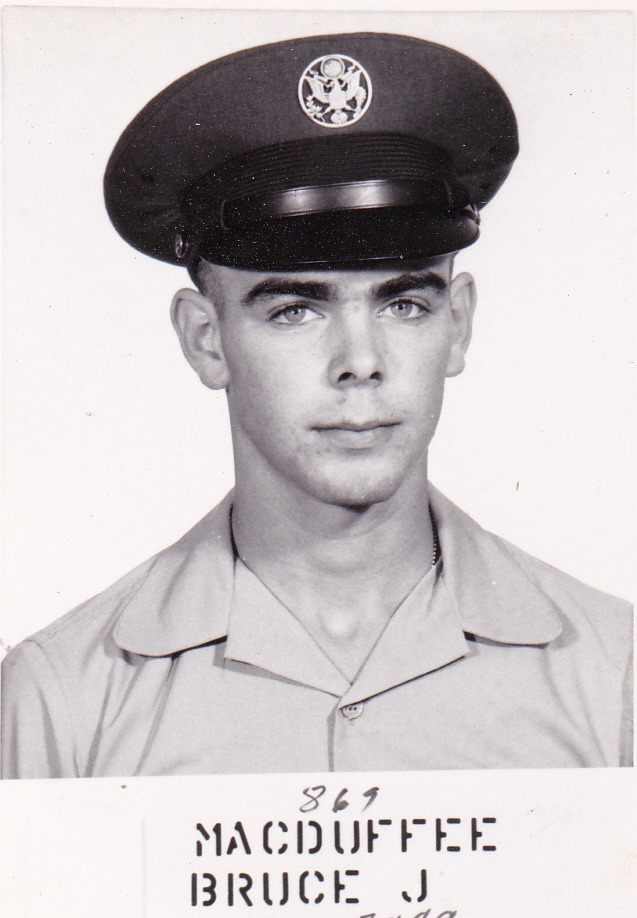
62nd Military Airlift Command • U.S. Air Force • 1968

366th supply s • U.S. Air Force • 1970