
Opening branch overview
Building the branch home surface
Loading branch highlights, featured unit context, and gallery moments.
Overview
Members
Units
Building the branch home surface
Loading branch highlights, featured unit context, and gallery moments.
Building the branch units surface
Loading unit filters, rankings, and the branch unit grid.

17 members•1 unit
Relive and share the memories of your service-time with your brothers and sisters in arms today. VetFriends.com can help you reconnect.
Did you proudly serve in the Security Service?
Are you looking for someone who is or was in the Security Service?
Do you have Security Service photos you'd like to share?
Then join a community with your brothers and sisters of the Security Service.
Branch
U.S. Air Force
Members
17
The Security Service is a military unit typically tasked with the protection of sensitive installations, personnel, and classified information. Its origins can be traced to early 20th-century military organizations, where specialized detachments were formed to safeguard military secrets and ensure internal security. Over time, the Security Service expanded its scope to include counterintelligence, surveillance, and the prevention of espionage within the armed forces. Today, Security Service units play a crucial role in maintaining operational integrity and national security across various branches of the military.
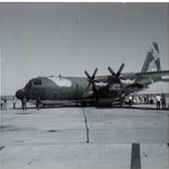
U.S. Air Force • 1972
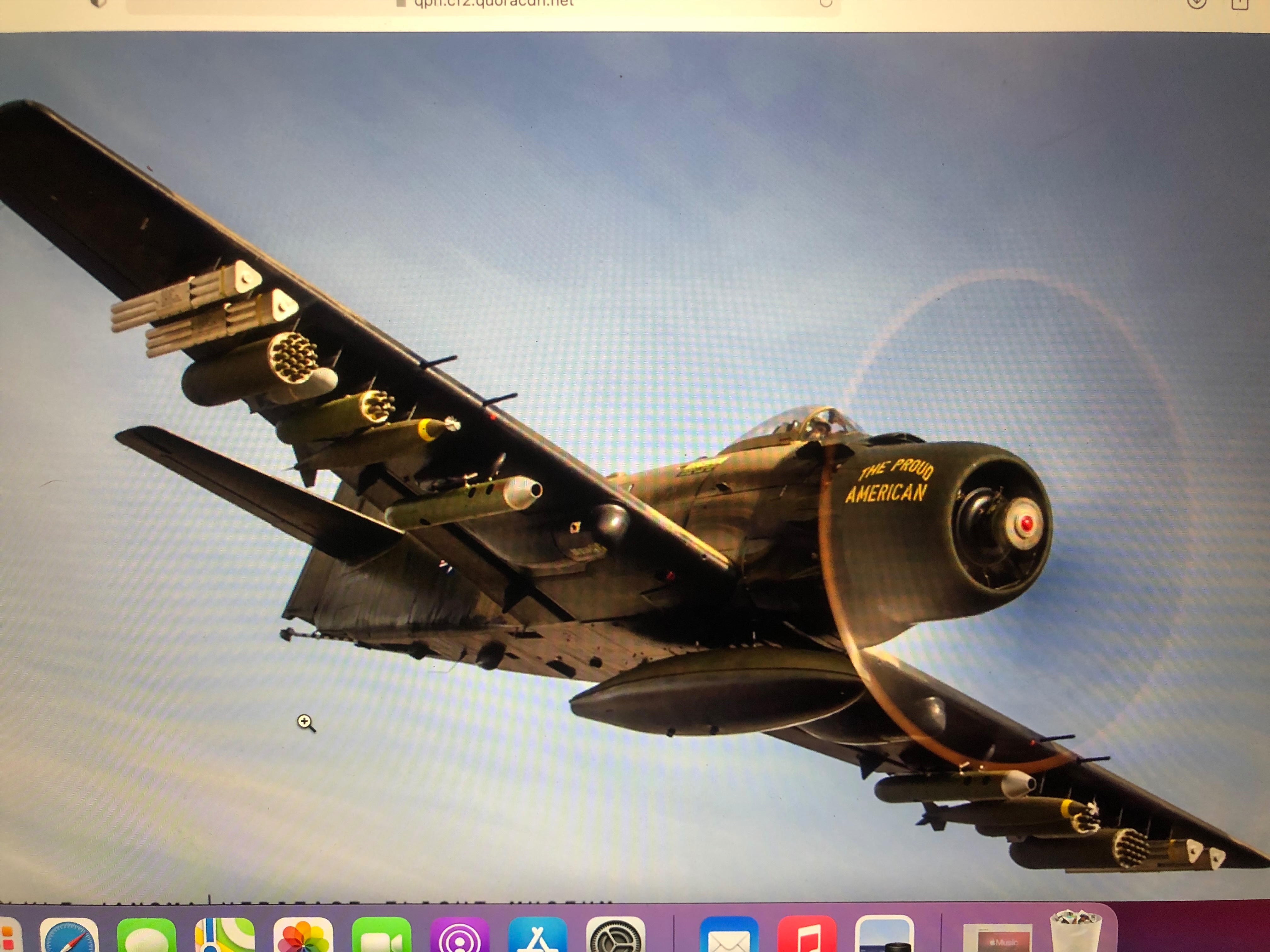
56th Fighter Wing • U.S. Air Force • 1970
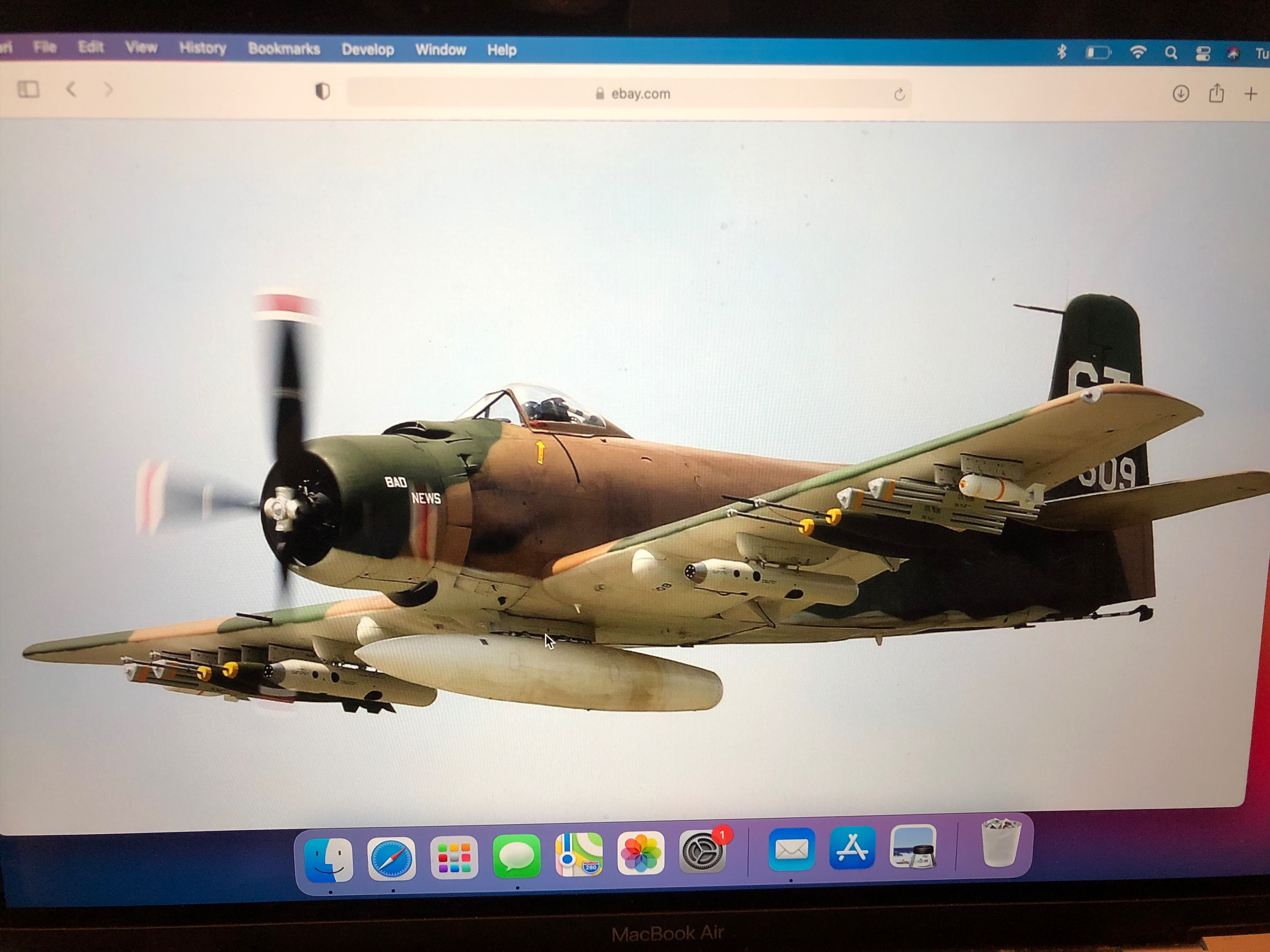
56th Fighter Wing • U.S. Air Force • 1970
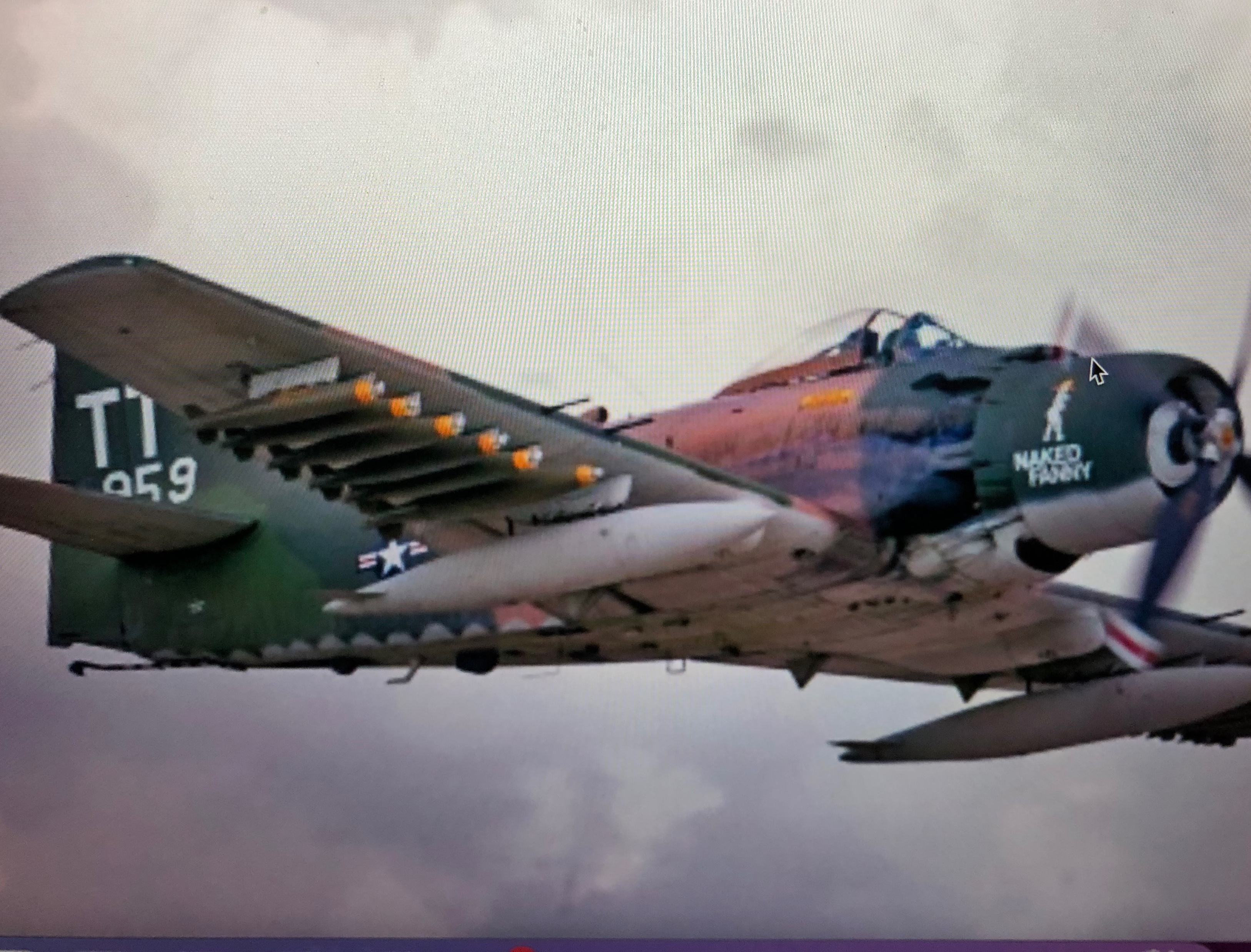
56th Fighter Wing • U.S. Air Force • 1970