
Opening branch overview
Building the branch home surface
Loading branch highlights, featured unit context, and gallery moments.
Overview
Members
Units
Building the branch home surface
Loading branch highlights, featured unit context, and gallery moments.
Building the branch units surface
Loading unit filters, rankings, and the branch unit grid.

37 members•1 unit
Relive and share the memories of your service-time with your brothers and sisters in arms today. VetFriends.com can help you reconnect.
Did you proudly serve in the Photographic repair?
Are you looking for someone who is or was in the Photographic repair?
Do you have Photographic repair photos you'd like to share?
Then join a community with your brothers and sisters of the Photographic repair.
Branch
U.S. Air Force
Members
37
The Photographic Repair unit originated during World War II, as advances in aerial reconnaissance and battlefield photography created a critical need for specialized maintenance of cameras and imaging equipment. Tasked with repairing, calibrating, and maintaining a variety of photographic devices, these units ensured that intelligence-gathering operations remained functional and reliable. Throughout the Korean and Vietnam Wars, Photographic Repair units adapted to evolving technologies, including motion picture cameras and early night vision equipment. Their expertise contributed significantly to the success of reconnaissance missions by providing clear and timely imagery for military planning and operations.
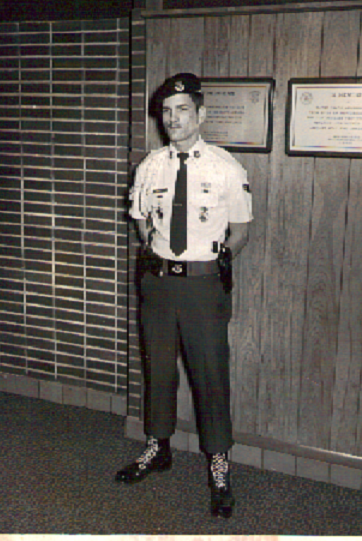
6960th • U.S. Air Force • 1982
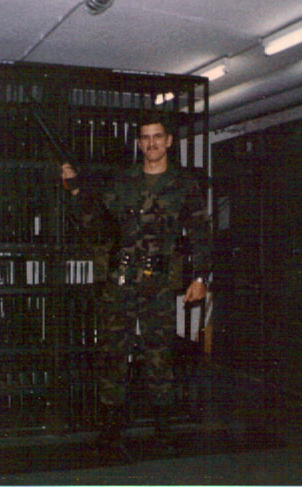
6913th • U.S. Air Force • 1983
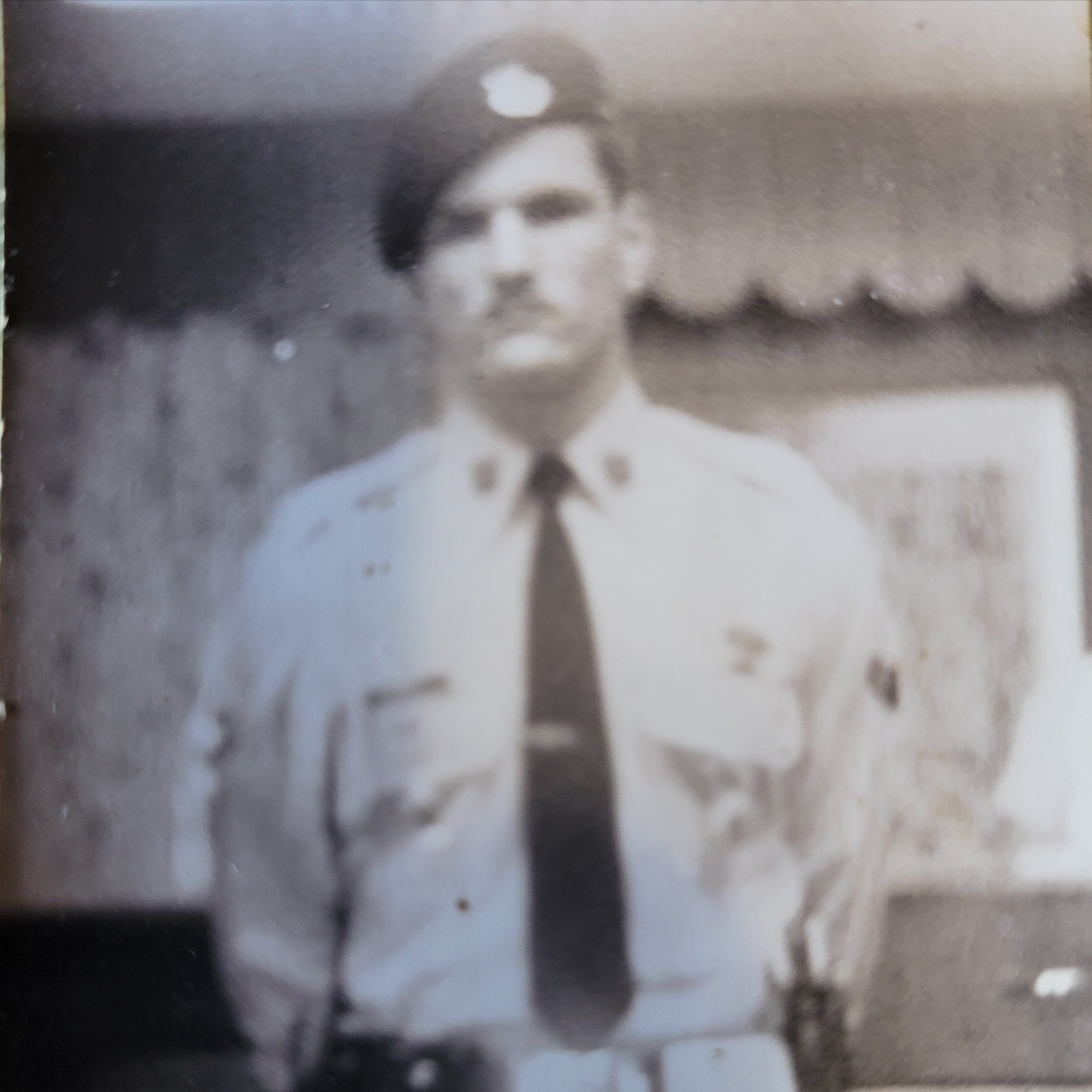
6960th • U.S. Air Force • 1981
661st Air Force Band ( AFLC ) • U.S. Air Force • 1972