
Opening branch overview
Building the branch home surface
Loading branch highlights, featured unit context, and gallery moments.
Overview
Members
Units
Building the branch home surface
Loading branch highlights, featured unit context, and gallery moments.
Building the branch units surface
Loading unit filters, rankings, and the branch unit grid.

11 members•1 unit
Relive and share the memories of your service-time with your brothers and sisters in arms today. VetFriends.com can help you reconnect.
Did you proudly serve in the Naval Security Group Vietnam?
Are you looking for someone who is or was in the Naval Security Group Vietnam?
Do you have Naval Security Group Vietnam photos you'd like to share?
Then join a community with your brothers and sisters of the Naval Security Group Vietnam.
Branch
U.S. Air Force
Members
11
The Naval Security Group Vietnam (NSG Vietnam) was a specialized unit of the U.S. Navy tasked with signals intelligence (SIGINT) and communications security during the Vietnam War. Established in 1966, NSG Vietnam operated from several sites, including Danang and Saigon, and supported naval operations with critical intelligence on enemy communications and movements. The unit worked closely with other American and allied intelligence organizations, providing real-time information that aided in both tactical and strategic decision-making. NSG Vietnam played an essential role until the U.S. withdrawal, with its mission concluding in 1973 as American forces left South Vietnam.
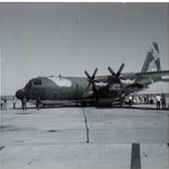
U.S. Air Force • 1972
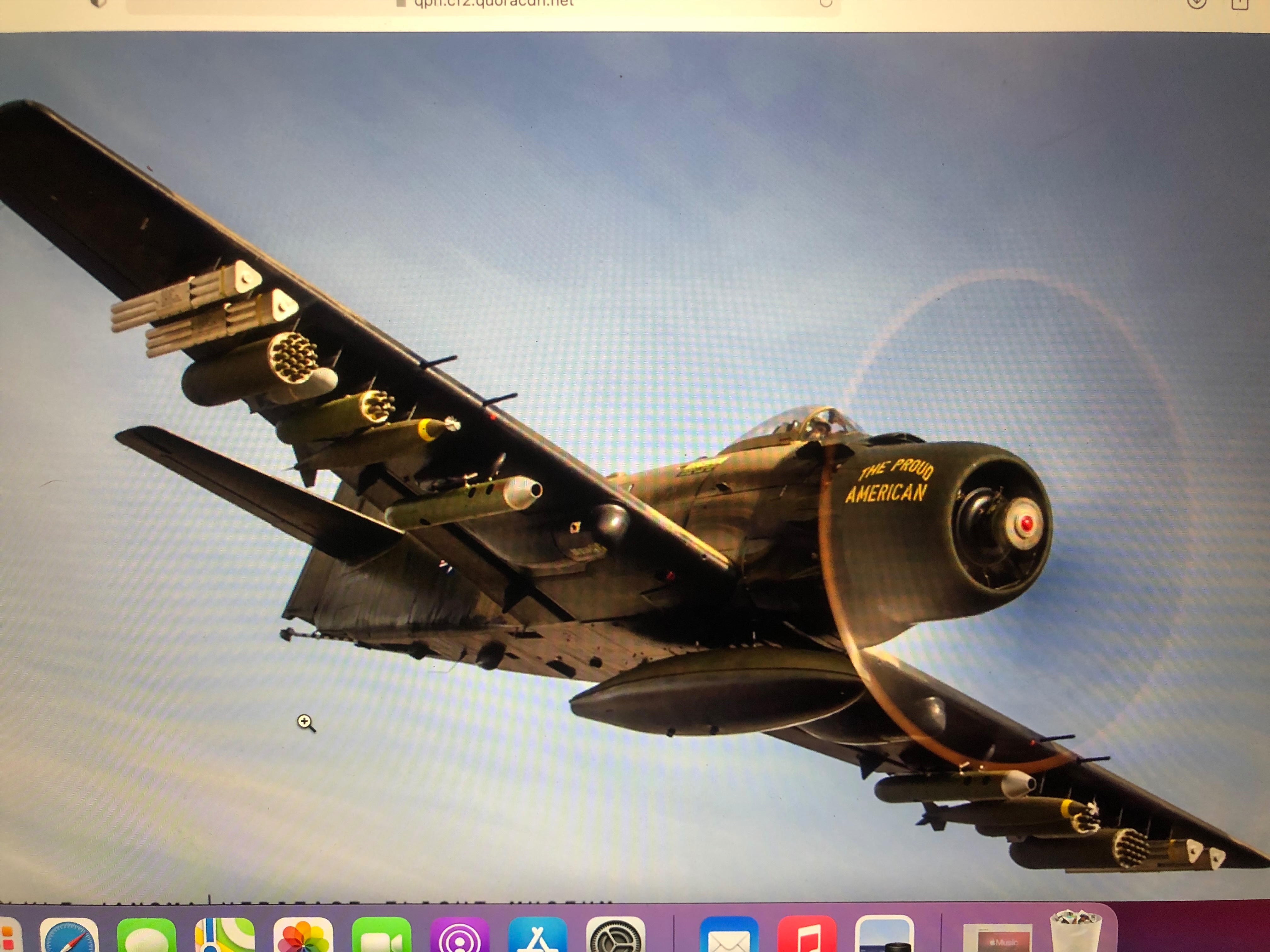
56th Fighter Wing • U.S. Air Force • 1970
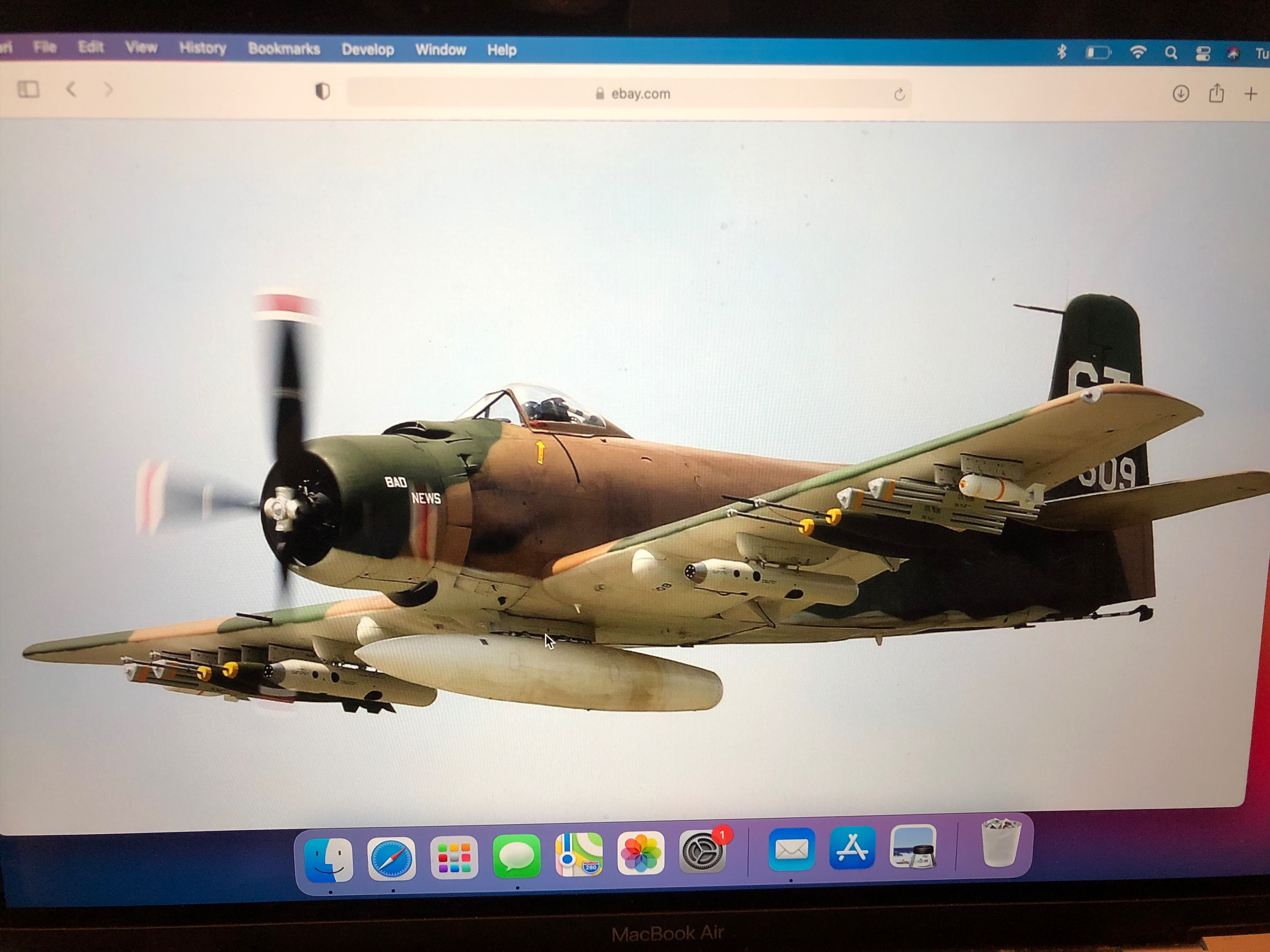
56th Fighter Wing • U.S. Air Force • 1970
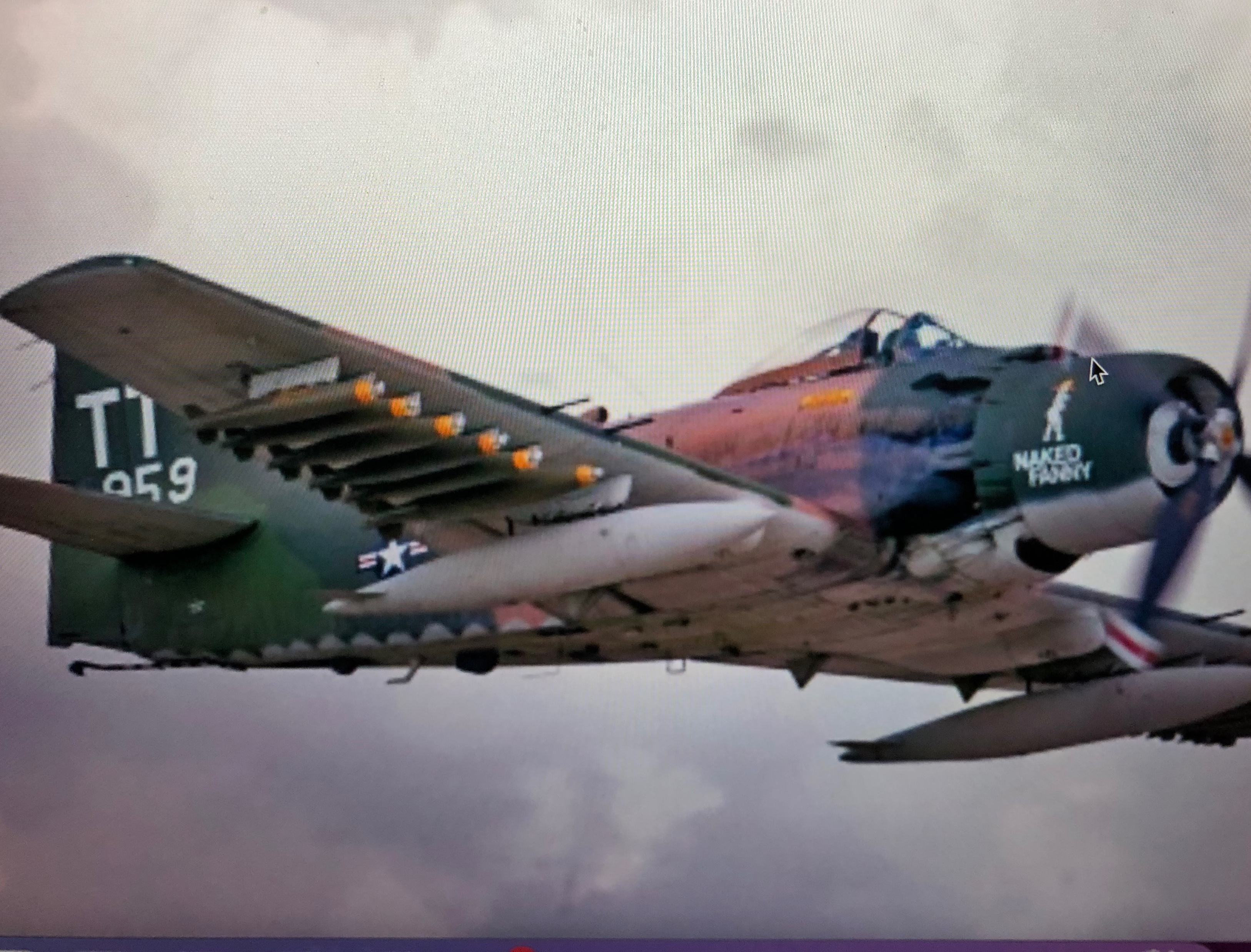
56th Fighter Wing • U.S. Air Force • 1970