
Opening branch overview
Building the branch home surface
Loading branch highlights, featured unit context, and gallery moments.
Overview
Members
Units
Building the branch home surface
Loading branch highlights, featured unit context, and gallery moments.
Building the branch units surface
Loading unit filters, rankings, and the branch unit grid.

37 members•1 unit
Relive and share the memories of your service-time with your brothers and sisters in arms today. VetFriends.com can help you reconnect.
Did you proudly serve in the Joint Casualty Resolution Center?
Are you looking for someone who is or was in the Joint Casualty Resolution Center?
Do you have Joint Casualty Resolution Center photos you'd like to share?
Then join a community with your brothers and sisters of the Joint Casualty Resolution Center.
Branch
U.S. Air Force
Members
37
The Joint Casualty Resolution Center (JCRC) was established during the Vietnam War in 1973 as a joint military organization tasked with accounting for U.S. personnel listed as missing in action (MIA) in Southeast Asia. Comprised of representatives from all branches of the U.S. Armed Forces, the JCRC coordinated search, recovery, and identification missions throughout Vietnam, Laos, and Cambodia. Based in Nakhon Phanom, Thailand, the center worked closely with local governments and international agencies to investigate incidents and repatriate remains. The JCRC continued its operations until 1975, when it was dissolved following the fall of Saigon, with its mission subsequently assumed by successor organizations dedicated to the recovery of missing personnel.
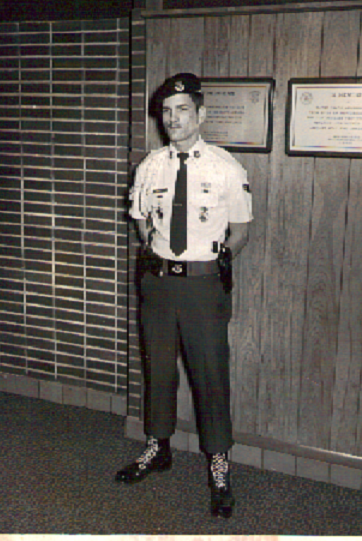
6960th • U.S. Air Force • 1982
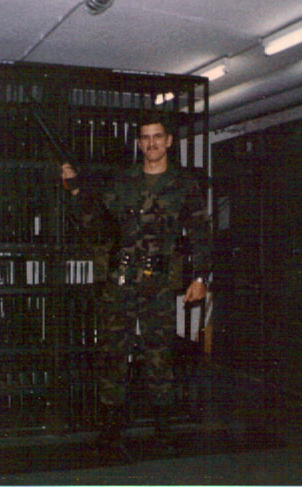
6913th • U.S. Air Force • 1983
6960th • U.S. Air Force • 1981
661st Air Force Band ( AFLC ) • U.S. Air Force • 1972