
Opening branch overview
Building the branch home surface
Loading branch highlights, featured unit context, and gallery moments.
Overview
Members
Units
Building the branch home surface
Loading branch highlights, featured unit context, and gallery moments.
Building the branch units surface
Loading unit filters, rankings, and the branch unit grid.

1 members•1 unit
Relive and share the memories of your service-time with your brothers and sisters in arms today. VetFriends.com can help you reconnect.
Did you proudly serve in the Instructor Ground Radar Operation?
Are you looking for someone who is or was in the Instructor Ground Radar Operation?
Do you have Instructor Ground Radar Operation photos you'd like to share?
Then join a community with your brothers and sisters of the Instructor Ground Radar Operation.
Branch
U.S. Air Force
Members
1
**Instructor Ground Radar Operation** is a specialized military unit established to train personnel in the operation, maintenance, and tactical employment of ground-based radar systems. First formed during the early Cold War era, the unit played a critical role in enhancing air defense capabilities by providing expert instruction on detecting, tracking, and identifying aerial threats. Over the decades, its instructors have adapted to rapid technological advancements, from early analog radar sets to modern digital and phased-array systems. The unit continues to be essential in preparing radar operators for both domestic defense and overseas deployments, ensuring robust situational awareness and force protection.
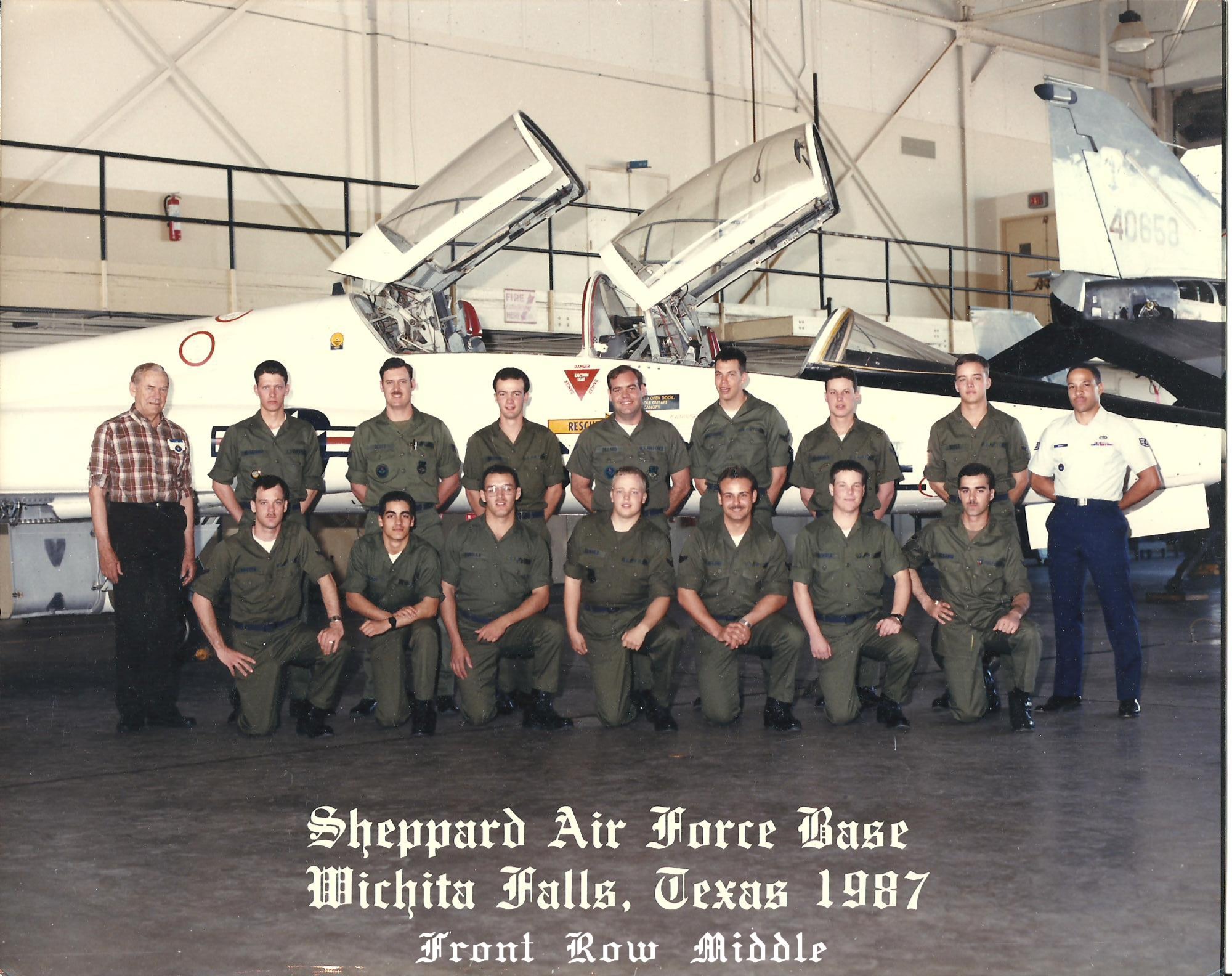
U.S. Air Force • 1987
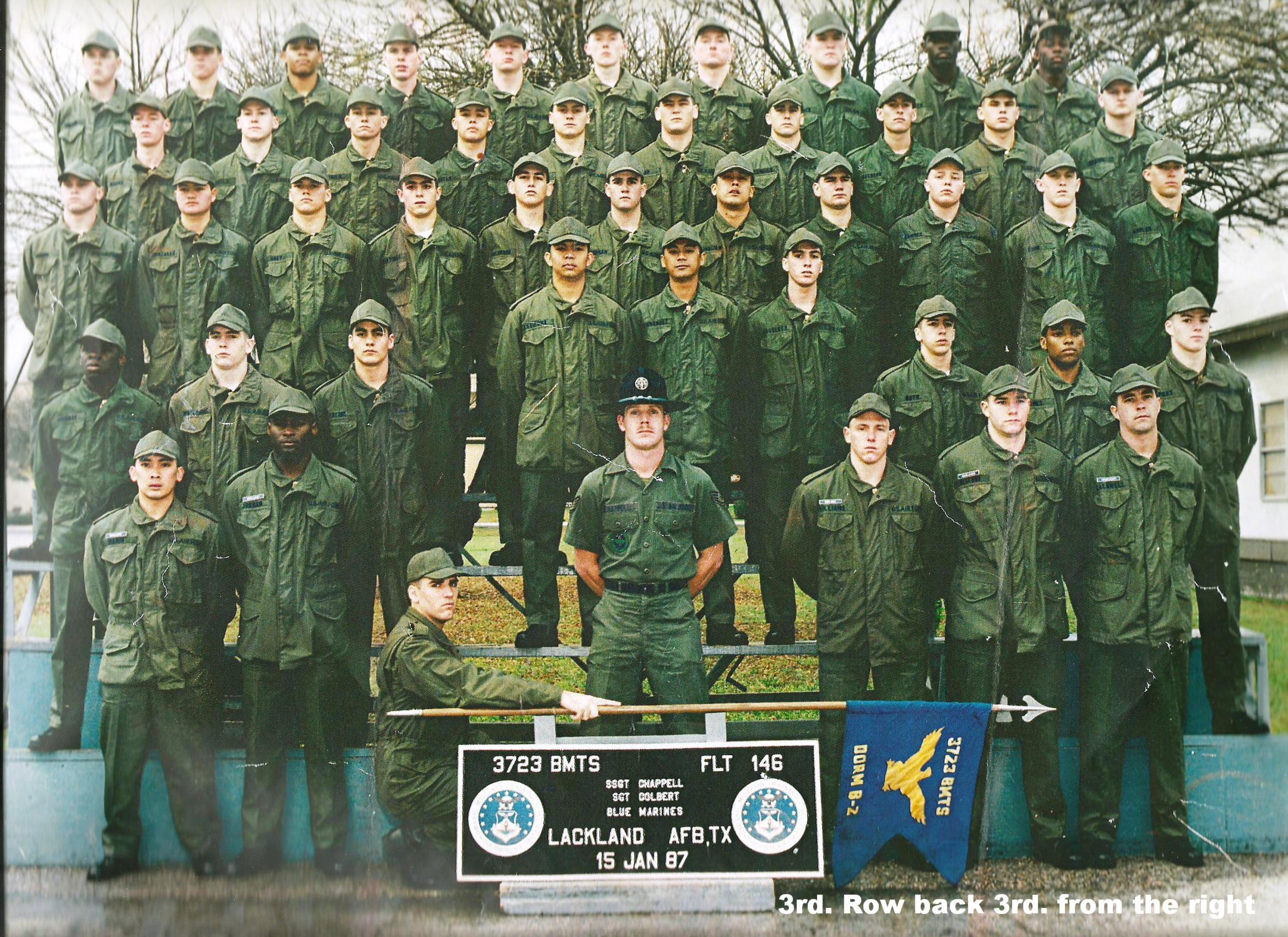
U.S. Air Force • 1987
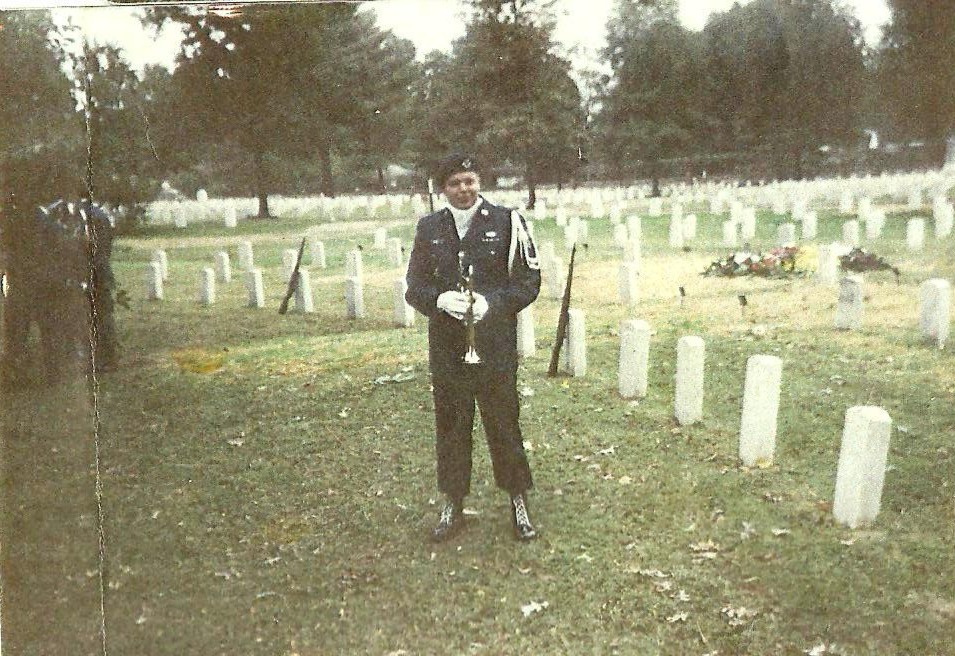
97th. Bom wing • U.S. Air Force • 1988
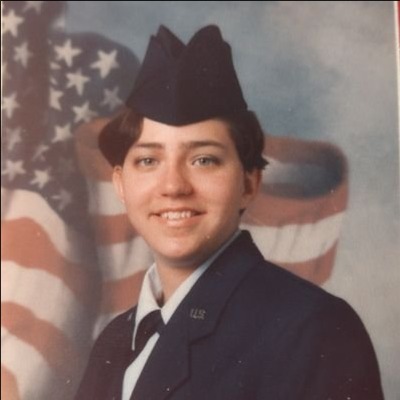
323rd TRS • U.S. Air Force • 2001