
Opening branch overview
Building the branch home surface
Loading branch highlights, featured unit context, and gallery moments.
Overview
Members
Units
Building the branch home surface
Loading branch highlights, featured unit context, and gallery moments.
Building the branch units surface
Loading unit filters, rankings, and the branch unit grid.

U.S. Air Force•18 members
Relive and share the memories of your service-time with your brothers and sisters in arms today. VetFriends.com can help you reconnect.
Did you proudly serve in the FLEET COMPOSITE SQUADRON 6 (VC-6)?
Are you looking for someone who is or was in the FLEET COMPOSITE SQUADRON 6 (VC-6)?
Do you have FLEET COMPOSITE SQUADRON 6 (VC-6) photos you'd like to share?
Then join a community with your brothers and sisters of the FLEET COMPOSITE SQUADRON 6 (VC-6).
Fleet Composite Squadron 6 (VC-6) was a United States Navy aviation unit established to provide a variety of support roles, including target drone operations, electronic warfare training, and fleet support services. Originally formed during the Cold War era, VC-6 operated a diverse fleet of aircraft, such as the A-3 Skywarrior, S-2 Tracker, and various unmanned aerial vehicles, to simulate enemy threats and enhance fleet readiness. The squadron played a crucial role in training naval personnel and testing new technologies until its disestablishment in 2008. VC-6's legacy includes pioneering work in unmanned systems and contributions to naval electronic warfare capabilities.
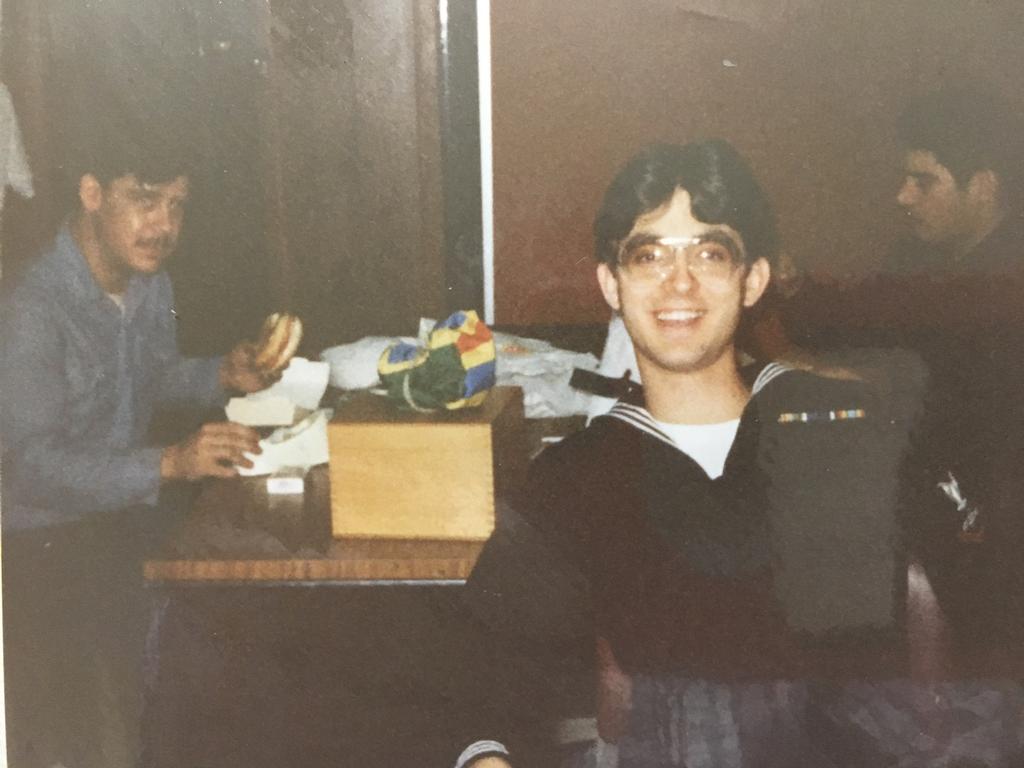
U.S. Navy
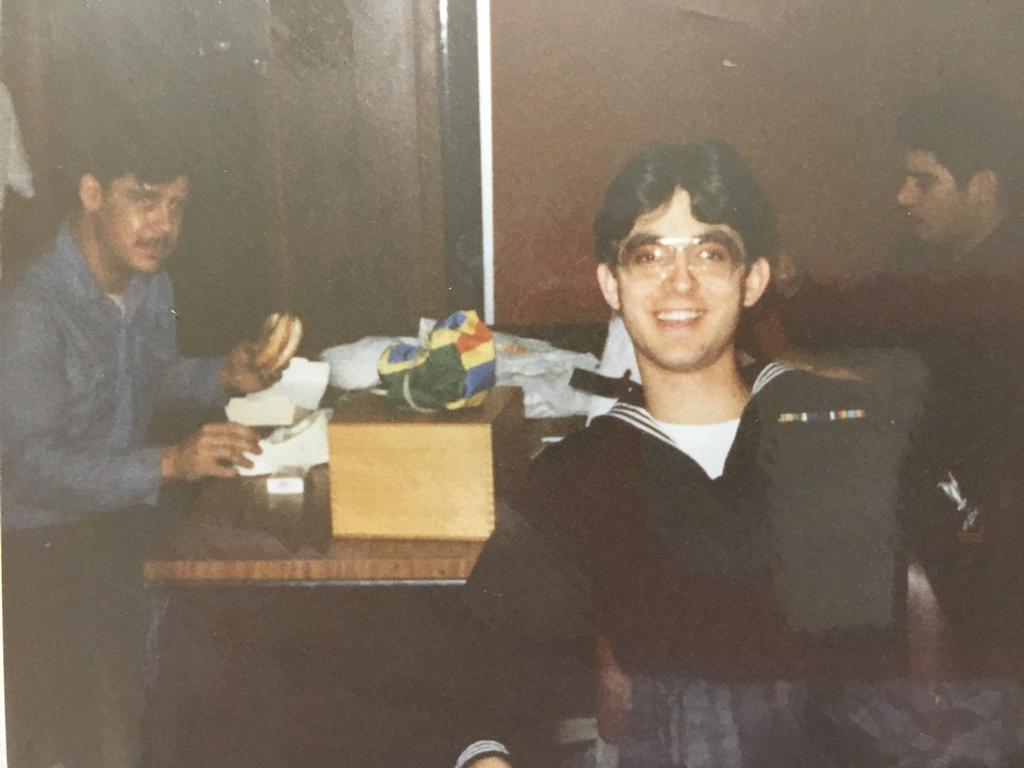
U.S. Navy